How-To Guides
Working With Estate Managers and Household Staff: Service-Entrance Protocol on Westside Properties

Key Takeaways
- The estate manager is the single point of contact and controls vendor scheduling, access, and property protection.
- Most Westside estates route movers through a side or rear service entrance, not the main drive.
- Access rules differ by area, from Bel-Air association patrols to Beverly Hills parking permits and Malibu PCH timing.
- Crews coordinate move windows around chefs, nannies, and cleaning staff, with daily check-ins to the manager.
- Property protection means floor runners, corner guards, custom crating for art, and detailed inventory logs.
- Managers and HOAs often require a certificate of insurance, crew lists, and vehicle info before entry.
- Popeye Moving offers pre-move site visits, climate storage for overflow, and one lead coordinator per job.
- Booking a few weeks ahead allows time for permits, walkthroughs, and staff coordination.
In This Article
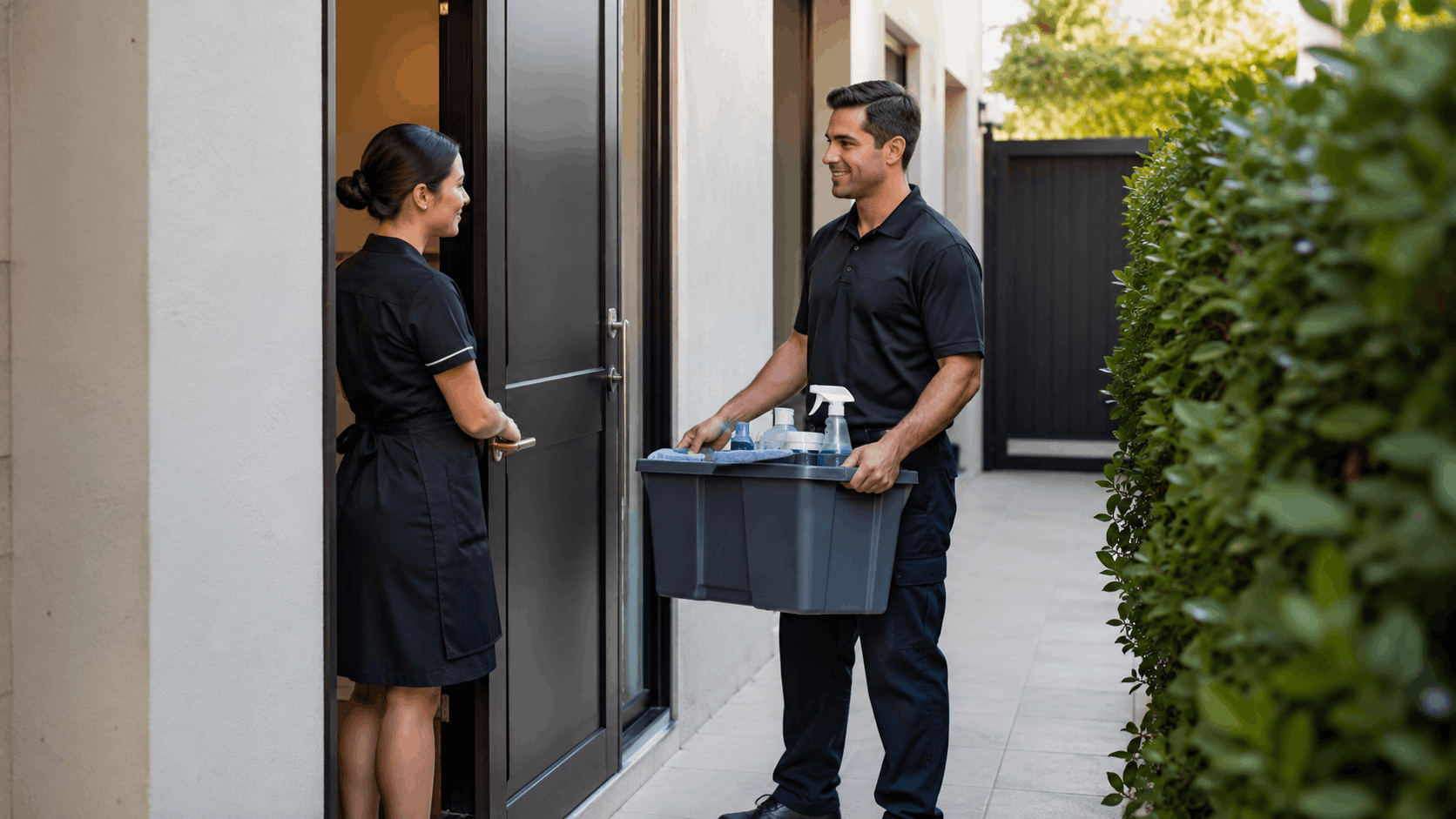
A moving truck rolls up to a gated estate off Bellagio Road in Bel-Air. Before the crew can even step out, a calm, well-dressed person walks down the drive with a clipboard. That is the estate manager, and on high-end Westside homes, that person runs the show.
On these properties, the rules are different from a typical apartment move in Culver City or Santa Monica. There is a service entrance to find, gate codes to enter, staff schedules to respect, and paperwork to hand over before a single box moves. Get any of it wrong and the crew waits at the gate while the clock runs.
The Estate Manager's Role on Westside Homes
On a large Westside property, the estate manager is the person who keeps the whole household running. They are not the homeowner, but they speak for the homeowner on day-to-day matters. For a moving crew, that makes the estate manager the single point of contact from the first phone call to the last box.
Household staff on these properties can be large. There may be a chef, a nanny, cleaners, a groundskeeper, and security. The estate manager sits above all of them and decides who goes where and when. A crew that respects that structure gets a smooth day. A crew that ignores it creates friction fast.
What an Estate Manager Actually Oversees
An estate manager handles vendor scheduling for everyone who works on the property. That includes landscapers, pool techs, contractors, and moving crews. They decide which day and which hours a vendor is allowed on site, and they often stack those visits so the home is never overrun.
Access control is another big part of the job. The manager holds the gate codes, keys, and alarm settings. They decide which entrance a crew uses and how far into the home the crew may go. On many estates, movers are shown a clear path and asked to stay on it.
Protecting the property is always on their mind. A single scratch on a marble floor or a dinged doorframe on an imported finish can cost thousands to repair. Because of this, managers watch how a crew loads, pads, and carries, and they expect protection to be in place before work starts.
All of this shapes the moving job. The manager sets the pace, the route, and the rules. A crew that reads those cues early moves faster and earns trust for the next visit.
How They Differ From a Homeowner or Assistant
The chain of command on a Westside estate usually runs from the owner down to the estate manager, then to the household staff. The owner is rarely the person a crew talks to during the move. They set the goal, then step back and let their team handle the details.
A personal assistant is different from a house manager. The personal assistant often handles the owner's calendar, travel, and personal errands. They may set the move date, but they do not always control on-site access or staff schedules.
The house manager or estate manager controls what happens inside and around the home. They sign off on which entrance the crew uses and when the truck can arrive. When a question comes up mid-move, the answer comes from them, not from a staff member who happens to be nearby.
Knowing who signs off saves time. A crew that asks the manager for approvals avoids redoing work or moving items to the wrong spot. It also keeps the crew from putting a nanny or chef in the awkward position of making a call that is not theirs to make.
Why Movers Should Coordinate Early
A pre-move walkthrough before the truck ever leaves the yard prevents most problems. Our crew visits the property, meets the manager, and maps the service entrance, the staging spots, and the path inside. We note tight corners, narrow gates, and floors that need protection.
A phone call ahead of the walkthrough sets the tone. We confirm the gate code process, the crew list the manager needs, and any HOA paperwork. That way nothing is a surprise on move day, and the crew is not stuck at a call box guessing.
Early coordination also lets the manager plan around the household. If the chef needs the kitchen until 10 a.m. or the kids are home until noon, we build the schedule around that. Our residential moving team handles this kind of planning as a normal part of every estate job.
The payoff is a move day with no waiting and no scrambling. When the truck arrives, the crew already knows the route, the rules, and the timeline. That is the difference between a two-hour delay and a job that runs on schedule.
Get Your Free Quote
Tell us about your move and we'll get back to you fast.
Service-Entrance Protocol Basics on Gated Properties
A service entrance is the working door of an estate. It is the gate and path used by vendors, deliveries, and staff instead of the grand front drive. On a gated property, the protocol around that entrance is not a suggestion. It is a rule the manager expects every crew to follow.
Learning the protocol before move day keeps the whole job smooth. It covers the correct entry point, how access is granted, and where trucks park and stage. Miss one of these and the crew loses time it cannot get back.
Finding and Using the Correct Entry Point
Many Westside estates route deliveries through a side gate or rear gate. The main drive is reserved for the family and guests, and vendors are asked to use a separate entrance. On some properties that entrance is around the block from the front address entirely.
The delivery entrance often connects to a service courtyard, a mudroom, or a back hallway. That path is chosen because it keeps foot traffic away from formal rooms and out of view. A crew that respects this shows the manager they understand how the home works.
We confirm the correct entry point during the walkthrough, not on move day. Guessing wrong can mean backing a truck out of a narrow drive on a hillside street, which wastes time and risks damage. Knowing the exact gate ahead of time removes that risk.
On estates with more than one service gate, we label which crew members use which door. This keeps the load path clear and the home secure. The manager appreciates a crew that stays on the assigned route without being reminded.
Gate Codes, Call Boxes, and Guard Check-Ins
Access on gated properties comes in a few forms. Some homes use a gate code punched into a keypad. Others use a call box or intercom where the crew rings the house and a staff member buzzes them in.
In communities like Bel-Air, there is often a manned guard gate at the entrance to the whole neighborhood. The Bel-Air Association patrols the area, and a guard may check the crew against a list before letting the truck pass. If the crew is not on that list, they wait.
Because of this, we submit crew names and truck details ahead of time. When the truck reaches the guard gate, everything is already on file and the crew rolls through. This same process applies in other guarded pockets across the Westside.
We never share a client's gate code loosely. Codes stay with the lead coordinator and are used only for that job. That respect for access control is part of how we keep a manager's trust from one move to the next.
Parking, Staging, and Keeping Driveways Clear
Truck parking on Westside estates takes planning. Some homes have room for a truck in a service court. Others sit on narrow streets where a large truck blocks traffic if it is placed wrong. We scout this during the walkthrough.
A staging area is where boxes and furniture wait before they are loaded or carried inside. On estate jobs we set up a clear staging zone, often in a garage bay or a section of the service courtyard. This keeps items organized and off the fine floors.
Keeping driveways clear matters more than people expect. The family may need to come and go, and a delivery or another vendor may arrive mid-move. We leave a lane open and stage in a way that does not trap other cars.
On tight streets in the hills, we sometimes use a smaller shuttle truck to ferry items from the estate to a larger truck parked nearby. That avoids blocking a narrow road for hours and keeps neighbors and association patrols happy.

Need Help in Los Angeles?
Popeye Moving & Storage serves Los Angeles and all of Los Angeles County.
Neighborhood Rules Across the Westside
Access and protocol are not the same across the Westside. Each area, and often each HOA, has its own rules for how vendors enter and where trucks can sit. A crew that works these neighborhoods every week knows the differences before they show up.
Below is a quick look at how the main Westside neighborhoods compare for estate moves and vendor access.
| Area | Access Style | Main Challenge |
|---|---|---|
| Bel-Air | Guard gate + association patrol | Narrow winding roads, crew lists required |
| Holmby Hills | Private drives, patrolled | Long gated approaches off Sunset |
| Brentwood | Gate codes, steep drives | Mandeville Canyon grades and turns |
| Pacific Palisades | Street or drive access | Limited parking near Sunset |
| Beverly Hills / Trousdale | City permits enforced | Parking permits and time windows |
| Malibu | PCH + canyon roads | Access timing and salt air |
Bel-Air and Holmby Hills Estate Access
Bel-Air is built on narrow, winding roads off Bellagio and Stone Canyon. Two large vehicles cannot always pass each other, so timing and truck size matter. We plan routes that avoid the tightest stretches during peak hours.
The Bel-Air Association patrols the neighborhood and checks vendor entry at the guard gate. A crew that is not on the approved list gets turned away, which is why we send names and plates in advance. This is standard for the area, not a special case.
Holmby Hills sits nearby with some of the largest estates in the city, many with long gated approaches off Sunset. Access here is private and patrolled, and the drives can be several hundred feet from the street. Our team that handles moves in Holmby Hills maps these approaches before move day.
On both, discretion is expected. Crews keep noise down, stay on the service path, and finish within the window the manager set. That kind of quiet, orderly work is what keeps these associations comfortable with vendors on their streets.
Brentwood and Pacific Palisades Considerations
Brentwood has some of the steepest driveways on the Westside, especially up Mandeville Canyon. A loaded truck on a sharp grade needs careful handling, and some drives are too steep or narrow for a full-size truck. In those cases we shuttle items down to a truck on flatter ground.
The turns along Mandeville Canyon are tight, and the road climbs for miles. We time our runs to avoid the worst of the traffic and school drop-off near Brentwood. Our Brentwood moving crew knows these hillside routes well.
Pacific Palisades brings a different problem near Sunset. Many homes have limited street parking, and the roads fill up fast. We coordinate with the manager to find a legal spot and to time the truck's arrival so it does not sit blocking a lane.
Both areas reward planning over improvising. A crew that scouts the drive and the parking ahead of time avoids the delays that come from finding a problem on move day. That is why the walkthrough is worth the extra visit.
Beverly Hills and Trousdale Estates Permits
Beverly Hills enforces its own parking rules for moving trucks. The city departments require permits in many cases and set time windows for when a truck can occupy a street space. Missing a permit can bring a fine or a request to move the truck mid-job.
Trousdale Estates sits in the hills above the city with wide streets but strict expectations. Homes here are high-value and highly visible, so protocol and appearance both matter. We keep the work tidy and the truck placed cleanly.
We handle the permit process for clients so the crew is legal before the truck arrives. You can review the city's own Beverly Hills municipal resources for parking and permit details. Our team that covers moves in the Beverly Hills Flats deals with these rules on a regular basis.
Getting the paperwork right up front keeps the job moving. A permit in hand means no arguments with enforcement and no truck being asked to leave. It is a small step that saves a big headache.
Malibu and Coastal Property Logistics
Malibu adds the Pacific Coast Highway to the plan. PCH access timing is a real factor, since traffic backs up badly on weekends and during beach season. We schedule truck runs to avoid the worst of it and to reach the property on time.
Many Malibu estates sit up tight canyon roads or down narrow paths to the beach. A full-size truck may not fit, so a shuttle is common. Our crew that handles moves in Eastern Malibu plans these tight approaches ahead of time.
Salt air is another factor on coastal homes. Metal fittings, fine finishes, and certain materials react to the ocean environment, so we wrap and seal items with that in mind. Fast, careful handling limits exposure while pieces are outside.
Coastal moves also run against the weather. Marine layer, wind, and the occasional coastal storm can change a schedule, so we stay flexible on timing. For clients along the shore, our Malibu moving services are built around these conditions.
Communication and Scheduling With Household Staff
An estate keeps running while a move happens. The chef still cooks, the nanny still watches the kids, and the cleaning crew still works. A good moving crew fits into that rhythm instead of shutting it down.
Clear communication with household staff and the manager makes that possible. It comes down to setting the right move window, checking in daily, and staying flexible when plans shift. Each of these keeps the household calm and the job on track.
Setting a Move Window Around Household Life
The move window is the block of hours the crew works each day. On an estate, we set that window around the household's daily routine. If the family eats breakfast in the main kitchen at 8 a.m., we hold heavy work in that area until they are done.
Chefs, nannies, and cleaning crews all have their own schedules. We ask the manager to walk us through the day so we know when each area is busy. A crew that carries a sofa through the kitchen during meal prep creates a problem that was easy to avoid.
We often start in rooms that are empty in the morning and move to busier areas later. This keeps the crew productive without crossing paths with staff. It also keeps the home feeling normal for the family.
The result is a move that fits the household instead of taking it over. Staff can do their jobs, the family keeps its routine, and the crew still gets a full day of work done. That balance is what separates an estate move from a standard one.
Daily Check-Ins and Progress Updates
Each day starts with a check-in between the lead coordinator and the estate manager. We review what will get done that day, which rooms are in play, and any access needs. This short meeting sets expectations before the crew begins.
Throughout the day we give progress updates as milestones hit. When a room is cleared, packed, or placed, the manager knows. That steady flow of information means the manager is never guessing about status.
At the end of the day we close out with the manager again. We report what finished, what is left, and the plan for the next morning. Any items in staging or storage are logged so nothing is left unclear.
These daily check-ins build trust fast. The manager can plan the household around what we tell them, and there are no surprises. On multi-day estate jobs, that rhythm keeps the whole project calm.
Handling Last-Minute Changes and Requests
Estate moves change. A room gets added, a delivery date shifts, or the family decides a piece should go to storage instead of the new home. A crew that stays flexible handles these without drama.
When a schedule change comes in, we adjust the plan and tell the manager what it means for the timeline. If adding a room pushes the finish, we say so up front. Honesty about time keeps the household's expectations realistic.
We also keep a buffer in our planning for these shifts. Estate work rarely goes exactly to the first plan, so we leave room to absorb changes. That way a request does not throw the whole day off.
Flexibility is part of the service on high-end jobs. Families and staff notice when a crew rolls with a change instead of pushing back. That attitude is why managers call the same crew again for the next project.
Protecting the Property and High-Value Items
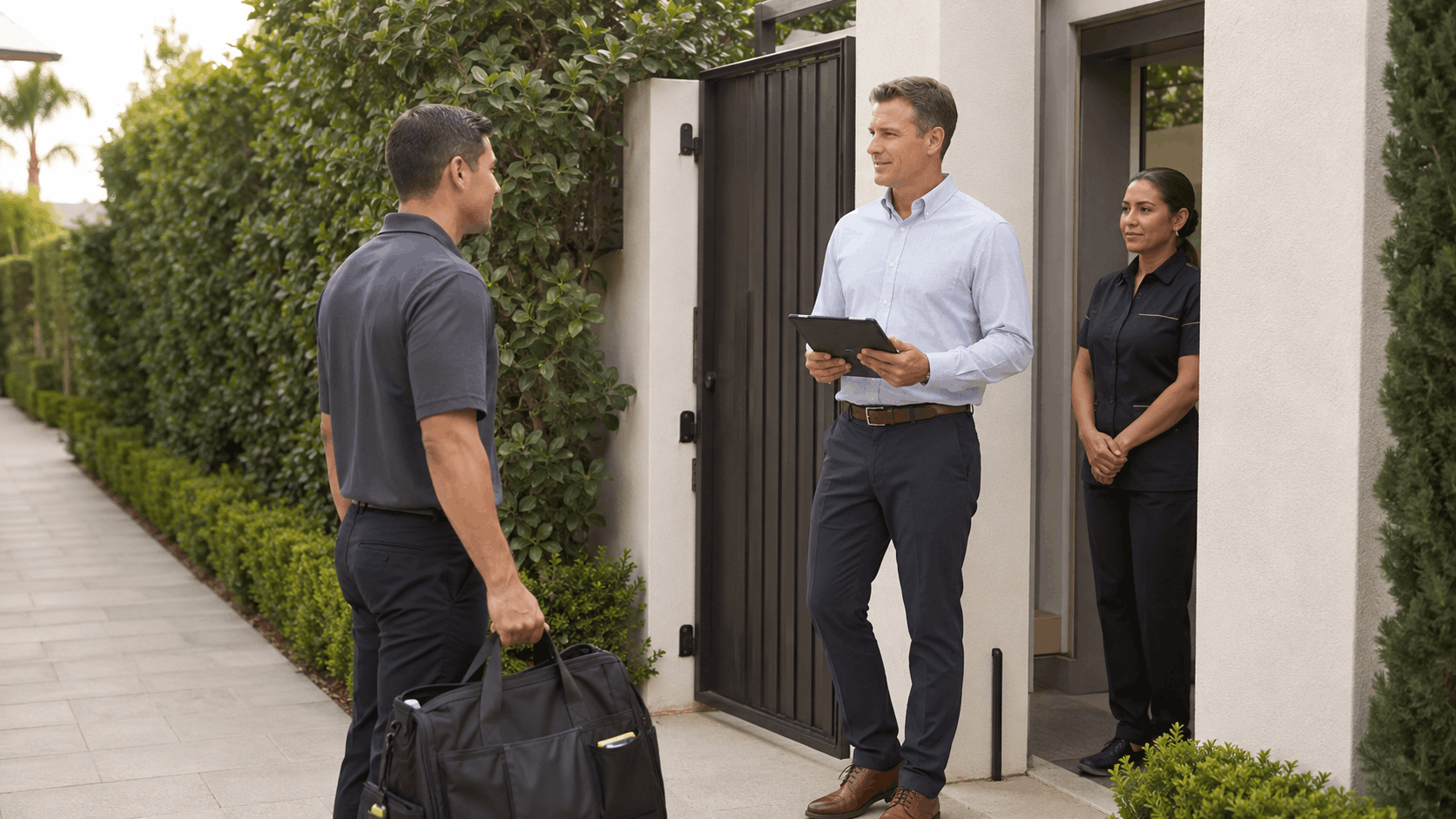
Inside a luxury Westside home, the finishes are often worth more than the furniture in a normal house. Marble floors, imported wood, hand-plastered walls, and fine art all need protection. Property protection is not an add-on here. It is the baseline.
The table below shows the main care steps a crew uses inside these homes and why each one matters.
| Care Step | What It Protects | Why It Matters |
|---|---|---|
| Floor runners | Marble, hardwood, stone | Prevents scratches and cracks |
| Corner guards | Walls and doorways | Stops dents on imported finishes |
| Custom crating | Art and antiques | Locks fragile pieces in place |
| Inventory log | All high-value items | Tracks every piece in and out |
Floor, Wall, and Doorway Protection
Floor protection goes down before any heavy item moves. We lay runners across marble, stone, and hardwood so nothing drags on the surface. On delicate stone we add padding under the runners for extra cushion.
Corner guards protect walls and doorways where furniture is most likely to bump. Imported finishes and plaster walls dent easily, and one careless turn can leave a mark that is hard to fix. Guards on every tight corner remove that risk.
Doorways get special attention because that is where big pieces squeeze through. We pad the frame and measure the item before we lift, so a sofa does not scrape a jamb. This is where careful planning beats muscle.
All of this goes in before the first box moves. Setting up protection takes time, but it costs far less than repairing a cracked marble tile or a gouged wall. The manager sees the setup and knows the crew takes the home seriously.
Handling Art, Antiques, and Fragile Pieces
Art and antiques get custom crating built to fit the piece. A painting, a sculpture, or a fragile heirloom is measured, wrapped, and boxed in a crate made for it. That crate holds the item still so it cannot shift in transit.
Our packing and crating team handles these pieces with the same care a gallery would use. Soft wraps, corner protection, and secure bracing keep everything safe. For very high-value collections we photograph each piece before it is packed.
An inventory log tracks every valuable item. Each piece gets a number, a description, and a note on its condition. When it arrives, the log confirms it came through in the same state it left.
This level of care matters most on estate moves, where a single item can be worth a fortune. Custom crating and a clear inventory protect both the family and the crew. Everyone knows exactly what moved and how it arrived.
Security, Privacy, and Confidentiality
Estate clients value privacy as much as they value their belongings. Our crews are background-checked, so the people inside the home have been vetted. That gives the manager confidence about who is on the property.
Discretion is part of the job. Crews do not photograph the home for their own use, discuss the family, or share what they see. What happens inside the home stays inside the home.
We also respect private areas. If a room is off-limits or a wing is closed to the crew, we stay out. The manager marks these areas during the walkthrough, and we hold that line all the way through the move.
Confidentiality protects the client's peace and the crew's reputation. High-profile families work with crews they can trust to be quiet and professional. That trust is earned on every job and lost with a single careless moment.
Need Help in Los Angeles?
Popeye Moving & Storage serves Los Angeles and all of Los Angeles County.
Documentation, Insurance, and Vendor Requirements
Before a crew is allowed on an estate, the manager usually asks for paperwork. Insurance, crew lists, and vehicle details all get reviewed. This is standard on high-end Westside jobs and in most gated communities.
Having the documents ready means the crew clears the gate without delay. A crew that shows up without them waits outside while the manager sorts it out. We handle the paperwork before move day as a matter of routine.
Certificates of Insurance and Liability Coverage
A certificate of insurance, or COI, proves the moving company carries coverage. Many HOAs and estate managers demand a COI before any vendor sets foot on the property. It protects the homeowner if something is damaged during the work.
The COI often names the homeowner or the association as an additional insured. This is a common request in Bel-Air, Beverly Hills, and other gated areas. We prepare the certificate with the right names and limits before the job.
Liability coverage backs up the work. If an accident happens, the coverage handles it instead of falling on the family. Managers know this, which is why the COI is one of the first things they ask for.
We provide COIs quickly so they never hold up a move. The paperwork is ready before the truck leaves the yard. That readiness is part of working with estate teams the right way. You can read more about mover requirements from the FMCSA Protect Your Move resource.
Crew Lists and Vehicle Information
Gated communities want to know who is coming. We submit a crew list with names and IDs ahead of the guard gate arrival. The guard checks the list, confirms the crew, and lets the truck through.
Vehicle info goes in too. Truck plates, make, and model are shared so the gate knows what to expect. In places like Bel-Air, an unlisted vehicle does not get past the association patrol.
We keep the crew list accurate. If a crew member changes at the last minute, we update the manager so the gate is not caught off guard. A clean list keeps the entry smooth.
This step is easy to overlook but costly to miss. A truck stuck at a guard gate over a missing name burns time that was booked for moving. Sending the details early avoids that entirely.
Inventory Records and Signed Handoffs
An inventory record lists every item that moves. On estate jobs, that log protects both the household and the mover. Each piece is noted, and its condition is recorded before it leaves.
At handoff, the manager and the crew review the log together. A signed handoff confirms what was delivered and in what condition. This removes any question later about what moved and how it arrived.
For items going to storage, the log follows them there. When they come back, the same record confirms everything returned. This closes the loop on every piece.
Clear records keep everyone protected. The family knows their belongings are accounted for, and the crew has proof of careful work. On high-value moves, that documentation is worth the effort every time.

How Popeye Moving & Storage Works With Estate Teams in Los Angeles
Popeye Moving handles estate moves across Los Angeles from the first call to final placement. We work with estate managers and household staff the way they expect, with clear planning and steady communication. Every step is built around how these homes run.
The table below shows how we support an estate move from start to finish.
| Stage | What We Do | Benefit to the Manager |
|---|---|---|
| Pre-move site visit | Map service entrance and staging | No surprises on move day |
| Storage | Climate storage for overflow | Home cleared during renovation |
| Single contact | One lead coordinator per job | Simple, direct communication |
Pre-Move Site Visits and Planning
Every estate move starts with a site visit. We walk the property with the manager, map the service entrance, and mark staging areas. We note tight gates, steep drives, and floors that need protection.
During the walkthrough we build the move plan. That includes the route through the home, the parking approach, and the daily schedule. By the time move day comes, the plan is set and the crew knows exactly what to do.
We also confirm the paperwork the manager needs at this stage. COIs, crew lists, and permits are all lined up before the truck rolls. This planning is why our estate moves run without the last-minute scrambles.
A good plan is the backbone of a smooth move. It turns a complex estate job into a series of clear steps. The manager sees the plan and knows the job is in steady hands.
Storage Options for Staged and Overflow Items
Sometimes items need to leave the home during a renovation or a downsize. We offer storage solutions for those overflow pieces. Climate-controlled space protects fine furniture and art while work is done.
Staged items can wait in storage until the home is ready for them. When the renovation finishes, we bring them back and place them where they belong. The inventory log tracks every piece the whole time.
For families thinning out a collection, storage gives room to decide. Pieces can sit safely until they go to the new home, to another property, or to sale. There is no rush to make a final call.
Climate storage matters for valuable items. Temperature and humidity swings can harm wood, art, and antiques. Our storage keeps those conditions steady so pieces come back in the same shape they left.
A Single Point of Contact for Managers
Each estate move gets one lead coordinator. That person is the single point of contact for the manager from start to finish. There is no chasing different people for answers.
The lead coordinator runs the daily check-ins, manages the crew, and handles any change requests. When the manager needs something, they call one number and get a straight answer. This keeps communication simple on a complex job.
Having one contact also keeps the details consistent. Nothing gets lost between crew members because one person holds the full picture. The manager always knows who is accountable.
This structure mirrors how estates run, with a manager at the top of the vendor chain. We match that with a coordinator at the top of ours. The two work together, and the move stays organized.
Need Help in Los Angeles?
Popeye Moving & Storage serves Los Angeles and all of Los Angeles County.
Final Thoughts
Estate moves on the Westside come down to respect for the property, the people, and the rules. The estate manager is the single point of contact, the service entrance is the working door, and the paperwork clears the gate. A crew that honors all three earns a smooth day and a call for the next job.
From Bel-Air's guard gates to Malibu's canyon roads, each neighborhood has its own protocol. Knowing those differences ahead of time is what keeps a high-end move on schedule. That local knowledge only comes from working these streets every week.
If you are planning an estate move anywhere across the Westside, our team is ready to help. Call Popeye Moving & Storage Co. or reach out through our contact page for a consultation and a pre-move walkthrough. We will map the service entrance, handle the paperwork, and work with your estate team from the first call to final placement.
Frequently Asked Questions
What is a service entrance on an estate property?
A service entrance is a secondary gate or door used for deliveries and vendors instead of the main drive. It usually connects to a service courtyard, mudroom, or back hallway so foot traffic stays away from formal rooms. On Westside estates, the manager assigns this entrance and expects crews to use it. It keeps the home private and protects the finer areas from wear.
Who does a moving crew report to on a Westside estate?
The estate manager or house manager is usually the single point of contact. They control vendor scheduling, access, and the route through the home, and they sign off on approvals during the move. The owner sets the goal but rarely handles day-to-day details. A crew that reports to the manager avoids putting staff in the position of making calls that are not theirs.
Do movers need a certificate of insurance for Bel-Air or Beverly Hills?
Yes, most gated communities and estate managers require a certificate of insurance before entry. The COI proves the moving company carries liability coverage and often names the homeowner or association as an additional insured. In Bel-Air, Beverly Hills, and similar areas, this document is one of the first things a manager asks for. We prepare it with the correct names and limits before move day.
How far in advance should an estate move be scheduled?
Plan to book a few weeks ahead for an estate move. That window allows time for a pre-move walkthrough, permit applications, insurance paperwork, and staff coordination. Larger estates or moves that involve storage and renovation may need even more lead time. Booking early also secures your preferred move window before the calendar fills, especially during busy spring and summer months.
Are moving trucks allowed to park on Westside streets?
It depends on the area and its rules. Beverly Hills enforces parking permits and time windows for moving trucks, and other neighborhoods limit where a large truck can sit. In places like Brentwood and the Palisades, street parking near Sunset is tight. We scout parking during the walkthrough and handle any permits so the truck is legal and does not block a lane on move day.
How do movers protect marble floors and delicate finishes?
Crews lay floor runners across marble, stone, and hardwood before any heavy item moves, with padding under runners on delicate stone. Corner guards protect walls and doorways from bumps, and door frames get padded before big pieces pass through. All protection goes in before the first box moves. This setup costs far less than repairing a cracked tile or a gouged imported finish.
Can the crew handle art and antiques safely?
Yes. Art and antiques get custom crating built to fit each piece, so it cannot shift in transit. Fragile items are measured, wrapped, and secured with corner protection and bracing. Every valuable piece goes on an inventory log with its condition noted, and high-value collections are photographed before packing. This protects both the family and the crew and confirms each piece arrives as it left.
How is privacy protected during an estate move?
Our crews are background-checked, so the manager knows who is on the property. Discretion is part of the job, meaning crews do not photograph the home for personal use or discuss the family. Private areas marked off-limits during the walkthrough stay off-limits through the move. This confidentiality protects the client's peace and is why high-profile families trust experienced estate crews.
Does Popeye Moving offer storage during renovations?
Yes. We provide climate-controlled storage for overflow and staged items that need to leave the home during a renovation or downsize. Pieces wait safely with steady temperature and humidity that protect wood, art, and antiques. An inventory log tracks each item the whole time. When the work is finished, we bring everything back and place it where it belongs.
What information does the gatehouse need before the crew arrives?
The guard gate needs a crew list with names and IDs plus vehicle information, including truck plates, make, and model. This is submitted ahead of arrival so the guard can confirm the crew and let the truck through without delay. In areas like Bel-Air, an unlisted vehicle does not get past the association patrol. We keep the list accurate and update it if a crew member changes.
Frequently Asked Questions
- What is a service entrance on an estate property?
- A service entrance is a secondary gate or door used for deliveries and vendors instead of the main drive. It usually connects to a service courtyard, mudroom, or back hallway so foot traffic stays away from formal rooms. On Westside estates, the manager assigns this entrance and expects crews to use it. It keeps the home private and protects the finer areas from wear.
- Who does a moving crew report to on a Westside estate?
- The estate manager or house manager is usually the single point of contact. They control vendor scheduling, access, and the route through the home, and they sign off on approvals during the move. The owner sets the goal but rarely handles day-to-day details. A crew that reports to the manager avoids putting staff in the position of making calls that are not theirs.
- Do movers need a certificate of insurance for Bel-Air or Beverly Hills?
- Yes, most gated communities and estate managers require a certificate of insurance before entry. The COI proves the moving company carries liability coverage and often names the homeowner or association as an additional insured. In Bel-Air, Beverly Hills, and similar areas, this document is one of the first things a manager asks for. We prepare it with the correct names and limits before move day.
- How far in advance should an estate move be scheduled?
- Plan to book a few weeks ahead for an estate move. That window allows time for a pre-move walkthrough, permit applications, insurance paperwork, and staff coordination. Larger estates or moves that involve storage and renovation may need even more lead time. Booking early also secures your preferred move window before the calendar fills, especially during busy spring and summer months.
- Are moving trucks allowed to park on Westside streets?
- It depends on the area and its rules. Beverly Hills enforces parking permits and time windows for moving trucks, and other neighborhoods limit where a large truck can sit. In places like Brentwood and the Palisades, street parking near Sunset is tight. We scout parking during the walkthrough and handle any permits so the truck is legal and does not block a lane on move day.
- How do movers protect marble floors and delicate finishes?
- Crews lay floor runners across marble, stone, and hardwood before any heavy item moves, with padding under runners on delicate stone. Corner guards protect walls and doorways from bumps, and door frames get padded before big pieces pass through. All protection goes in before the first box moves. This setup costs far less than repairing a cracked tile or a gouged imported finish.
- Can the crew handle art and antiques safely?
- Yes. Art and antiques get custom crating built to fit each piece, so it cannot shift in transit. Fragile items are measured, wrapped, and secured with corner protection and bracing. Every valuable piece goes on an inventory log with its condition noted, and high-value collections are photographed before packing. This protects both the family and the crew and confirms each piece arrives as it left.
- How is privacy protected during an estate move?
- Our crews are background-checked, so the manager knows who is on the property. Discretion is part of the job, meaning crews do not photograph the home for personal use or discuss the family. Private areas marked off-limits during the walkthrough stay off-limits through the move. This confidentiality protects the client's peace and is why high-profile families trust experienced estate crews.
- Does Popeye Moving offer storage during renovations?
- Yes. We provide climate-controlled storage for overflow and staged items that need to leave the home during a renovation or downsize. Pieces wait safely with steady temperature and humidity that protect wood, art, and antiques. An inventory log tracks each item the whole time. When the work is finished, we bring everything back and place it where it belongs.
- What information does the gatehouse need before the crew arrives?
- The guard gate needs a crew list with names and IDs plus vehicle information, including truck plates, make, and model. This is submitted ahead of arrival so the guard can confirm the crew and let the truck through without delay. In areas like Bel-Air, an unlisted vehicle does not get past the association patrol. We keep the list accurate and update it if a crew member changes.
P
Popeye Moving & Storage Co. Team Team
Licensed moving and storage professionals serving Los Angeles and Los Angeles County.
Licensed in California · License #PUC: CAL T 189749 | DOT: 1472924 | MC: 498816C
Why trust Popeye Moving & Storage?
Founded in 1994, Popeye Moving & Storage is a licensed and insured moving and storage service serving Los Angeles and Los Angeles County. All content is reviewed by our licensed technicians.

Need Help in Los Angeles?
Popeye Moving & Storage serves Los Angeles and all of Los Angeles County.
Related Articles
How-To Guides
Bel Air Movers: Gated Community Logistics and Custom Estate Service
A local expert guide to moving in Bel Air, covering gated entry logistics, canyon road challenges, estate handling, storage, and how to choose the right movers.

How-To Guides
Deployment Storage for Military Households Shipping Out of LA: Long-Hold Protocols and Power-of-Attorney Access
A complete guide to deployment storage for LA military households, covering long-hold protocols, climate control near the Port, power-of-attorney access, costs, and pickup logistics.

Tips & Advice
Storage for Santa Monica and Brentwood Households: Where Westside Furniture Actually Goes Between Homes
A local guide to furniture storage for Santa Monica and Brentwood households, covering storage types, costs, coastal climate risks, and how Westside families bridge the gap between homes.