International Moving in Mid-Wilshire, Los Angeles
Serving ZIP 90036, 90019, 90010
Mid-Wilshire apartment moves through pre-war lifts, alley service doors and side-street loading off Wilshire
Popeye Moving & Storage has provided international moving to Mid-Wilshire, Los Angeles and the rest of Los Angeles County since 1994. License #CAL T 189749 | USDOT 1472924 | MC 498816C. Fully insured.

Get Your Free Quote
Free in-home and video estimates. No obligation.
BBB A+ Rated
Accredited Business with an A+ rating from the Better Business Bureau.
Licensed and insured
CAL T 189749 | USDOT 1472924 | MC 498816C, fully insured.
Open seven days
6 AM to 9 PM, seven days a week. Call (310) 823-9510.
Free estimates, binding price
Free in-home and video estimates, with a guaranteed binding price after a video survey.
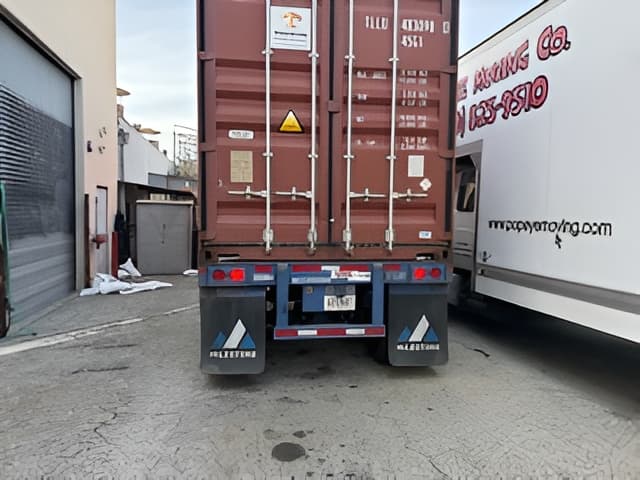
Trusted International Moving in Mid-Wilshire
Moving in Mid-Wilshire, the City of Los Angeles stretch of Wilshire Boulevard between Koreatown and the Fairfax District. Popeye Moving & Storage plans pre-war apartment lifts, alley service entrances and side-street loading off Wilshire at a free estimate.
Mid-Wilshire is the central band of the Wilshire Community Plan, running along Wilshire Boulevard from Koreatown toward the Fairfax District and taking in the Miracle Mile, with Olympic Boulevard, Sixth Street, La Brea, Highland and Crenshaw crossing it. It is in the City of Los Angeles, which means LADOT handles street parking, and it should not be confused with the Wilshire corridor in Beverly Hills, a separate city with its own process. The defining housing here is the pre-war and mid-century apartment building: small original lifts, narrow corridors, service entrances off the alley and doorways sized for the furniture of their era.
International Moving in Mid-Wilshire: What Changes Here
International moving from Mid-Wilshire involves ocean freight in full or shared containers, air freight for essentials and high-value items, export-grade packing and customs documentation. What makes this work specific to Mid-Wilshire is the building stock: pre-war and mid-century apartments with narrow corridors and period-sized doorways mean that crating for antiques or artwork has to account for what can actually be carried out, and documentation for customs must match what was packed inside those crates. Planning the export leg starts with the building, not the port.
Crating routes through pre-war building corridors
International packing for antiques, artwork and fragile items requires crates built to fit the piece. In Mid-Wilshire pre-war buildings, the corridor width and doorway dimensions of the period also determine how a finished crate can be moved to the truck. Crate dimensions are confirmed at the in-home or video survey before anything is built, so a crate sized for customs protection is also sized for the carry out.
Ocean freight timing around Museum Row events
Ocean freight from Los Angeles requires goods to reach the port by a cutoff date. On the Miracle Mile stretch, Museum Row events affect side-street access and loading time on given days. Packing and loading are scheduled around the event calendar so that a delayed start does not push goods past the sailing cutoff and into a later vessel booking, which adds weeks to the door-to-door timeline.
Air freight weight and longer side-street carry
Air freight is priced by chargeable weight, so every carton matters. In Mid-Wilshire, where Wilshire itself has restricted stopping and the truck loads from a side street, the carry distance is longer than in buildings with direct kerb access. Heavier or bulkier air freight items are identified at the survey so the crew is sized correctly and chargeable weight is calculated before the shipment is tendered at LAX.
Customs inventory accuracy at alley service entrances
Many Mid-Wilshire managed buildings load through a rear alley service entrance. For an international shipment, the numbered customs inventory must match what is in each carton exactly. When goods move through a service entrance in multiple carries, the inventory is completed carton by carton as packing happens, not reconstructed afterward, so the document that crosses the border reflects what was actually packed and in what order.
Local Issues
Common International Moving Issues in Mid-Wilshire
Customs inventory gaps from alley loading
When goods leave a Mid-Wilshire building through a rear service entrance in multiple carries, cartons can be loaded out of sequence. For an international shipment, the numbered customs inventory must match what is in each carton exactly. If the inventory is reconstructed after loading rather than completed carton by carton during packing, discrepancies between the document and the boxes can cause delays at destination customs.
Crate sizing delayed past port cutoff
A crate built for ocean freight protection and sized to fit a pre-war corridor still has to reach the port by the sailing cutoff. If crate dimensions are not confirmed at the survey and a rebuild is needed on packing day, the delay can push goods past the cutoff and into a later vessel booking, adding weeks to the door-to-door timeline.
Chargeable weight miscalculated before LAX tender
Air freight from LAX is priced by chargeable weight, the greater of actual and volumetric weight. In Mid-Wilshire, where the carry from a side street is longer and items are sometimes repacked to fit through narrow corridors, final carton dimensions can differ from initial estimates. Chargeable weight should be recalculated after packing is complete and before the shipment is tendered at the LAX cargo terminal.
Lift window conflict with packing day schedule
Managed buildings in Mid-Wilshire typically require a booked lift window and protection pads. For an international shipment, packing, inventorying and loading all happen in sequence on the same day or across consecutive days. If the lift window is too short or conflicts with a neighboring move, the customs inventory cannot be completed in order, which creates documentation problems before the shipment has left the building.
Wooden items missed before packing day
Destinations with strict biosecurity rules require wooden items, outdoor gear and garden tools to be checked and documented before packing. In a Mid-Wilshire apartment where goods are packed through a service entrance under a timed lift window, finding a restricted wooden item on packing day can halt the process. These items need to be identified and flagged at the survey, not on the morning the crew arrives.
Get Your Free Quote
Tell us about your move. We'll be in touch soon.
What we offer in Mid-Wilshire
Our International Moving Services in Mid-Wilshire
Ocean Freight Moving in Mid-Wilshire
Ocean freight is the usual way a full household leaves Los Angeles for another country. Popeye Moving & Storage has moved Los Angeles households since 1994 and handles the packing, loading and paperwork at this end, with the vessel booked through a licensed intermediary. You get a realistic delivery window and a written scope before anything is packed.
Learn more →Air Freight Moving in Mid-Wilshire
Air freight makes sense when the timeline will not wait for a container or the shipment is small enough that weight-based pricing works in your favor. Popeye Moving & Storage helps you decide what earns a place on the plane, packs it to airline requirements and arranges the handover at LAX.
Learn more →International Packing & Customs in Mid-Wilshire
Packing for an overseas move is a different job from packing for a local one. Goods are handled more times, travel sealed for weeks and have to be described in a way a foreign customs authority will accept. Popeye Moving & Storage has packed Los Angeles households since 1994 and prepares both the cartons and the paper trail before anything leaves your home.
Learn more →Door-to-Door International Delivery in Mid-Wilshire
A door-to-door international move links several parties: the crew at origin, the ocean or air carrier, customs at both ends and the delivery agent abroad. Popeye Moving & Storage has served Los Angeles since 1994 and coordinates that chain from one plan. You get a written scope that states what is inside the price and what is not, before anything is packed.
Learn more →What to Expect - International Moving in Mid-Wilshire
- 1
Survey and container choice
A free in-home or video survey sets the volume, and with it the choice between a container of your own and shared space.
- 2
Export packing and loading
Popeye crews pack, crate and inventory your goods, then load and brace them for the voyage.
- 3
Booking and documents
The vessel is booked through a licensed intermediary, the container reaches the terminal ahead of cut-off, and a licensed broker files customs entries.
- 4
Arrival and delivery
The destination agent clears the shipment and delivers within the window given, with duties and taxes settled by the shipper.
Ready to Get Started?
Licensed CAL T 189749 | USDOT 1472924 | MC 498816C, fully insured and BBB A+ accredited. Free in-home and video estimates. Open 6 AM to 9 PM, seven days a week.
Local Tips
International Moving Tips for Mid-Wilshire Residents
Confirm your building's lift window and service entrance availability before the packing date is set. International packing, inventorying and loading must happen in sequence, and a lift conflict on the day cannot be resolved quickly when a port cutoff is fixed.
Ask for the customs inventory to be completed carton by carton during packing, not summarized afterward. When goods move through a narrow corridor or alley entrance in multiple carries, a reconstructed inventory is more likely to contain errors that flag at destination customs.
If your shipment includes antiques or artwork, bring the survey forward so crate dimensions can be confirmed against your corridor width and lift car before the crate is built. A crate that cannot exit the building requires a rebuild, which takes time the sailing schedule may not allow.
For a split air and ocean shipment, agree the delivery windows for both legs in writing before either is booked. The gap between an air arrival and a container arrival at the destination is a planning problem fixed at the estimate stage, not a shipping one resolved after the fact.
Need International Moving in Mid-Wilshire? Get a Free Estimate.
What Customers Say About Our International Moving in Mid-Wilshire
Real reviews from Mid-Wilshire and nearby Los Angeles neighborhoods.
“Door cameras caught the whole load, which I wanted. The Hollywood crew waved at the Hollywood curb and still worked at a pace that did not feel staged.”
“A smart thermostat and a locked utility closet sat behind the Encino gate. They asked before they pulled power in Encino and the HVAC stayed online.”
“My listing photos were the next morning. They emptied the Encino garage into vaults so the Encino curb would not show in the wide shot.”
International Moving in Mid-Wilshire - FAQs
Because stopping on Wilshire itself is restricted, the truck usually needs kerb space on a side street. LADOT temporary no-parking signs reserve that space, with a stated lead time of five working days and a non-refundable fee. An LADOT oversize vehicle parking permit is a separate document that covers the truck's size and overnight parking but does not hold a space. LADOT confirms current fees, and we tell you at the estimate which side street or alley works for your building.
A one-bedroom apartment local move in the Los Angeles area typically runs $350 to $650. That is a typical range, not a quote. A long carry from a side street, a small lift and pieces that must be taken apart all affect your price, which is set in writing before loading, with a Not To Exceed figure.
Yes, both are free, and a video survey can lead to a guaranteed binding price. In an older building it helps to show the lift car with the door open, the corridor to your unit and the alley or service entrance, so we can measure the route before the day.
We measure the lift car, the corridor and the doorways at the estimate. Where a piece will not fit, Furniture Assembly & Disassembly takes it apart and rebuilds it at the new home; standard items typically run $75 to $200 in the Los Angeles area. If it cannot be taken apart, we look at the stairs as an alternative route.
They can. Events along Museum Row affect the Miracle Mile stretch of Wilshire on given days, adding traffic and limiting side-street parking. We check your date against scheduled events before confirming and pick a loading position that avoids the busiest blocks.
Mid-Wilshire is in the City of Los Angeles, so LADOT handles street parking. The Wilshire corridor further west in Beverly Hills is a different city with its own rules. If you are moving between the two, each end follows its own city's process and we plan both.
Yes. A crate built for customs and ocean freight protection also has to fit through the corridor and into the lift car. At the in-home or video survey, lift dimensions and corridor widths are noted alongside the piece being crated. If a crate cannot travel upright in the lift, the packing method is adjusted before build day, not on the morning the crew arrives.
The lift window is booked with the building before packing day, and the export packing, loading and inland leg to the port or airport are all scheduled around that window. The customs inventory is completed during packing, so documentation is ready before the shipment moves. The lift window is a planning input at the estimate stage, not a complication discovered on the day.
Yes. Essentials or high-value items go by air from LAX while the main household travels by ocean freight. Each leg has its own customs documentation and inventory. The two sets of paperwork are prepared together at the estimate stage so descriptions and values are consistent across both shipments, which reduces the risk of a discrepancy flagged at either destination.
Also serving