Retrieving One Item From a Vault - The Single-Item Pull, Priced and Explained
Key Takeaways
- A single-item pull retrieves one box or piece from a stored vault without delivering your whole vault home.
- Pricing starts with an access fee of roughly $75 to $150, plus labor if the item is buried and delivery if requested.
- Warehouse pickup near downtown Los Angeles removes the delivery fee and is the cheapest option.
- Good inventory records and clear item descriptions make pulls easier and cheaper by pointing us straight to the vault.
- Careful repacking with blankets and padding keeps the rest of your belongings safe during any pull.
- For frequent access, self-storage or a batch pull often beats repeated single-item pulls on cost.
- Most pulls schedule within 2 to 3 business days; short-notice pulls are possible but not assured.
- Delivery across LA neighborhoods is priced by distance and traffic on routes like the 405 and 101.
In This Article
A homeowner in Silver Lake calls on a Tuesday morning. Her apartment showing is Friday, and she needs one framed painting out of a storage vault she has not touched in two years. She does not want the whole vault delivered. She just wants that one piece of art. This is one of the frequent calls our team at Popeye Moving & Storage Co. gets, and it has a name: the single-item pull.
A single-item pull means we retrieve one box, one chair, or one painting from a stored vault without emptying the entire container to a customer's home. It sounds simple, but the labor behind it depends on where that item sits inside a packed wooden vault stacked in our warehouse near downtown Los Angeles.
What a Single-Item Pull Actually Means?
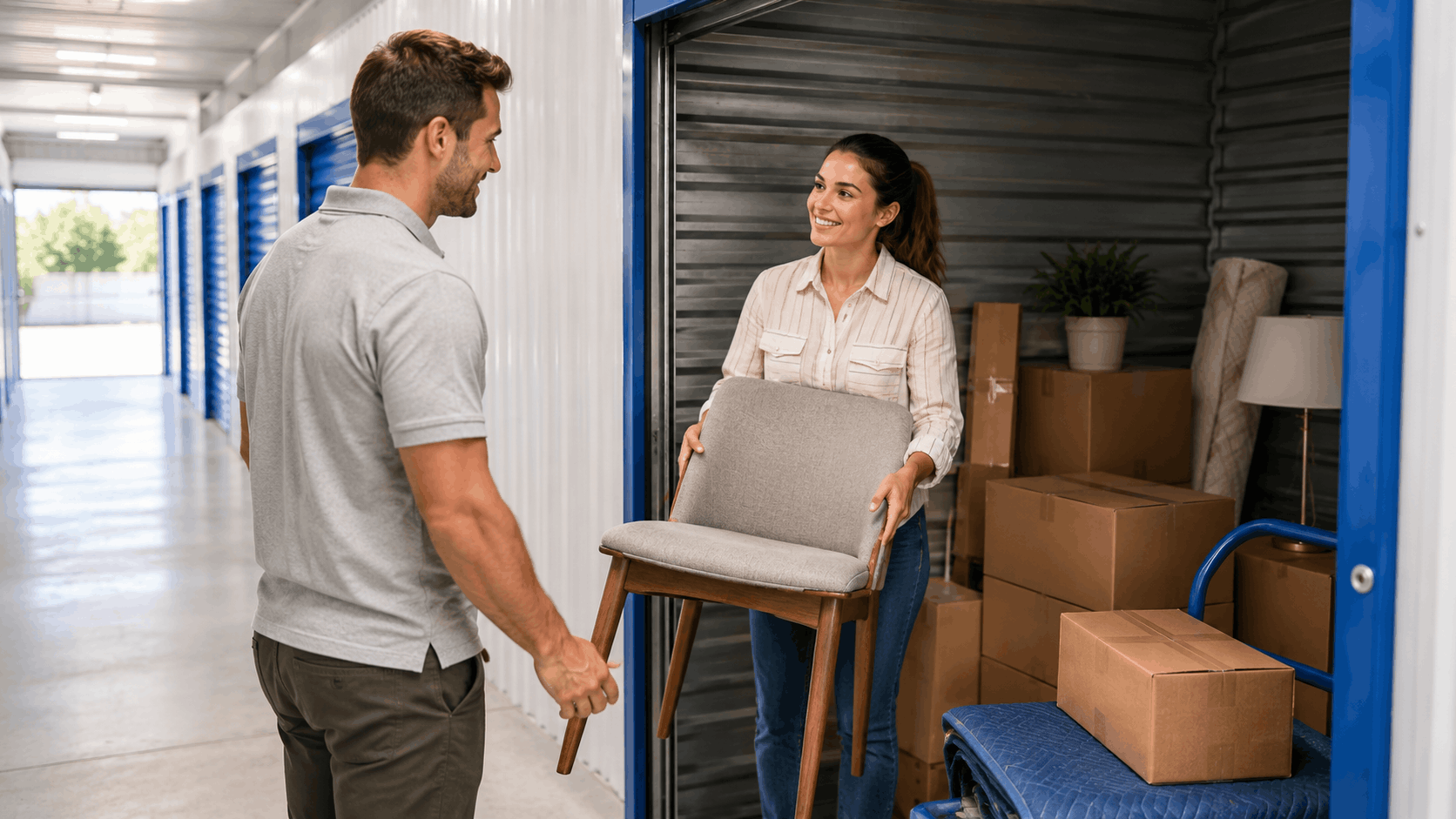
A single-item pull is the retrieval of one specific thing from a storage vault while the rest of the contents stay packed and stored. Instead of scheduling a full delivery of your whole vault, our team opens just the one container that holds your item, takes it out, and closes everything back up.
This service exists because life does not wait for a full move-out. People put belongings into vaulted storage during a remodel, a relocation, or a between-homes gap, then realize they need one thing months later. Rather than pay to move an entire vault home and back, a partial pull gets them what they need.
Most warehouse storage in Los Angeles works on a vault system, and that is where the value of a single-item pull shows up. Renters, downsizing seniors, real estate stagers, and busy families all use it. The service saves money and time compared to reversing a full storage delivery.
How Vault Storage Is Packed and Stacked
When belongings first arrive at our warehouse, our crew loads them into wooden storage vaults that measure roughly 5 feet by 7 feet by 7 feet. Furniture goes in first, then boxes fill the gaps, and padding keeps everything from shifting during storage. Each vault holds about the contents of one to two rooms.
Those wooden vaults do not sit in a single row on the floor. To use warehouse space well, we stack vaults two and three high with forklifts. A vault holding your tax records might be sitting under two other vaults belonging to different customers.
This stacking is why a single item can be buried. The item itself might be near the vault door, but the vault could be at the bottom of a stack. Our team has to unstack the vaults above it before we can even open the door.
Understanding this layout helps explain the labor and timing later in the process. Warehouse storage is efficient for long-term holding, but that same density is what makes retrieval take planning. It is not like walking into a personal closet.
The Difference Between a Full Delivery and a Partial Pull
A full delivery means our crew brings a forklift, pulls your entire vault, loads it on a truck, and drives all your belongings to your home. That is a bigger job with truck time, fuel, and a full crew. It makes sense when you are moving back into a place or need most of what you stored.
A partial pull is different. We locate the vault, open it, remove the single item you asked for, and repack the vault so the rest stays protected. Most of the labor happens right in the warehouse, not on the road.
The labor differs because a partial pull skips the full truck load and the home delivery of everything else. You pay for vault access and the handling of one item instead of a whole household move. For many customers, that is a fraction of a full delivery cost.
The tradeoff is that pulls are best for occasional needs. If someone finds themselves requesting retrieval every few weeks, the numbers start to shift, and we will say so honestly. More on that later.
Common Reasons People Need Just One Thing
The reasons vary, but patterns repeat. A big one is seasonal items. Someone stored winter coats and holiday decorations in spring, and now the first cold snap hits and they want just the coats, not everything.
Life events drive many access requests too. A bride needs her wedding dress pulled before the ceremony. A family needs a box of tax records before an April filing deadline. A collector needs one framed piece for a gallery night.
Real estate staging is huge in Los Angeles. A stager preparing a Silver Lake apartment or a Brentwood condo often needs one specific accent chair or piece of art out of a client's stored belongings. That single piece can make a showing feel finished.
Other calls come from people who simply forgot to keep something out. A musician wants one guitar. A parent needs a child's keepsake. Whatever the item, the pull lets them reach their stored belongings without a full unpacking.
Get Your Free Quote
Tell us about your move. We'll be in touch soon.
How the Retrieval Process Works Step by Step
From the first call to the item in your hands, the retrieval process follows a clear path. Knowing the steps sets honest expectations about vault access, scheduling, and how much lead time our team needs.
| Step | What Happens | Typical Time |
|---|---|---|
| 1. Request | You call with account and item details | Same day |
| 2. Locate vault | We match your item to a vault number | Under an hour |
| 3. Unstack and open | Crew moves vaults, opens yours | 30-90 minutes |
| 4. Pull and repack | We remove the item and reload | 30-60 minutes |
| 5. Pickup or delivery | You grab it or we drive it out | Same day to 3 days |
Locating the Right Vault in the Warehouse
Every set of belongings we store gets logged on an inventory list at move-in. That list ties your account to specific vault numbers, so our team knows exactly which containers hold your things before anyone touches a forklift.
When you call, we pull your file and match your described item to the inventory sheet. If the paperwork shows your painting went into vault 4472, we go straight to that vault instead of guessing. This tracking is what keeps the process smooth.
Good records also tell us the stacking position. Our warehouse team logs where each vault sits, so we can plan the unstacking before you even arrive. That planning is the difference between a smooth pull and a half-day scramble.
If your item description is vague, locating takes longer. Telling us "the large gold mirror in a wooden crate" beats "some artwork." The clearer the detail, the sooner we confirm the vault number.
Digging Out and Reloading the Vault
Once we know the vault, the physical work starts. If your vault sits under others, the crew uses a forklift to unstack the containers above it and set them safely aside. This unstacking is the part that eats the most time on a buried vault.
Then we open the vault door and work to reach your item. If it is near the front, we grab it easily. If it is packed toward the back or bottom, we carefully remove boxes and furniture in front of it, set them on padded surfaces, and reach in.
Repacking matters just as much as pulling. We reload every box and piece of furniture in a stable order, replace padding, and close the vault so nothing shifts. Then we restack the vaults we moved back to their spots.
This warehouse labor is skilled work, not just heavy lifting. Done wrong, it damages the belongings around your item. Our crews are trained to protect everything they touch, which is why the repack step is never rushed.
Pickup at the Warehouse vs. Delivery to Your Door
Once the item is out, you have two choices. You can come to our facility near downtown Los Angeles and pick it up yourself, or we can deliver it to your home. Both work, and the right one depends on the item size and your schedule.
Warehouse pickup is the cheaper option. There is no delivery fee, no truck time, and no mileage. If you can fit the item in your car and you have a free hour, driving in saves real money.
Local delivery makes sense for large or fragile items. A sofa or a big framed piece is hard to haul in a personal vehicle. For those, our crew loads it on a truck and drives it to homes in areas like Pasadena, Santa Monica, or the Valley.
Delivery pricing depends on how far you are from our warehouse and traffic conditions. A Culver City drop-off costs less than a run out to Malibu. We tell you the delivery figure up front so there are no surprises.
How Much Notice We Need
Pulls on short notice happen, but they are not assured. If your vault is easy to reach and our crew has an opening, we can sometimes turn it around sooner. If your vault is buried under a heavy stack, digging it out takes scheduling.
A realistic lead time is 2 to 3 business days for most single-item pulls. That gives us room to plan the unstacking, book crew time, and set an appointment that fits your week. Rush requests are possible but may carry a higher fee.
Delivery adds another layer of timing. We coordinate the drive around your availability and any building or gate access rules. Booking a delivery window a few days out gets you the best slot.
The takeaway is to call as early as you can. If you know your tax records are due in a week, request the pull now instead of the day before. Advance notice keeps the cost lower and the schedule flexible.
Need Help in Los Angeles?
Popeye Moving & Storage serves Los Angeles and all of Los Angeles County.
What a Single-Item Pull Costs in Los Angeles
Pricing for a single-item pull is not one flat number, and honest ranges beat vague talk. The single-item pull cost comes from a vault access fee plus labor, plus delivery if you want it. Here is how the pieces add up in the LA market.
| Cost Component | Typical Range | What Drives It |
|---|---|---|
| Access / handling fee | $75 - $150 | Opening and reworking the vault |
| Labor (if buried deep) | $50 - $200 | Unstacking and digging time |
| Local delivery | $95 - $250+ | Distance and traffic |
| Rush / same-day | Added fee | Priority scheduling |
The Access or Handling Fee Explained
Every pull starts with an access fee. This base charge covers the work of locating your vault, unstacking whatever sits on top, opening it, and repacking it afterward. It exists because even reaching a stored vault takes crew time and equipment.
Think of it as the cost of getting into the vault at all, before we even touch your item. In the LA area, this handling charge commonly runs $75 to $150. It reflects forklift use and the labor of two crew members handling heavy wooden containers.
The access fee is separate from any delivery cost. It applies whether you pick the item up yourself or have us drive it out. Skipping delivery removes the delivery charge but not the access fee.
This fee is why pulling one item is not free, even for something small. The labor to reach a stacked vault is the same whether you want a full sofa or a single shoebox. The container still has to be dug out and reworked.
Labor, Time, and How Deep the Item Is Buried
Beyond the base fee, labor cost scales with how hard your item is to reach. An item near the top of a floor-level vault takes minutes. An item at the bottom of a vault buried under two others takes real time.
Vault depth is the biggest variable. If our crew has to unstack containers, open your vault, and pull half its contents to reach the item at the back, that is more labor than a simple grab near the door. We often bill this at an hourly rate for the extra time.
This is where the inventory notes from move-in help. If we logged your painting as loaded last, near the door, we know it is an easy pull. If it went in first and sits at the back wall, we plan for more time.
Customers can influence this. Items packed with future access in mind cost less to retrieve. We will cover smart packing in a later section, but the short version is: what goes in easy comes out easy.
Delivery Charges Based on Your Neighborhood
If you want the item brought to you, the delivery fee depends on where you live. Distance and mileage from our downtown-area warehouse set the base, and LA traffic shapes the rest. A short run costs less than a long haul.
A delivery to Culver City, Glendale, or Koreatown sits on the lower end because it is close and the roads are direct. Runs out to Venice, the San Fernando Valley, or the far Westside cost more because of distance and freeway congestion.
Traffic matters as much as mileage in this city. A trip that is 12 miles on paper can eat two hours during rush windows on the 405 or the 101. We factor realistic drive time into the delivery figure.
For a big move rather than a single pull, our local residential moving team handles full loads across the region. But for one item, delivery is priced tight around your neighborhood and the route to reach it.
Ways to Keep the Cost Down
There are practical ways to lower a pull's price. The biggest is warehouse pickup. Skipping delivery removes the largest variable cost, and if the item fits in your car, that is easy savings.
Clear inventory labels help too. When your items carry accurate descriptions and numbered tags, we find your vault sooner and pull the right thing on the first try. Vague records slow us down and add labor time.
Flexible scheduling saves money as well. If you can wait for a standard 2 to 3 day window instead of demanding same-day service, you avoid rush fees. We can also batch your pull with other warehouse work for efficiency.
Finally, combining requests cuts the per-item cost. If you know you will need three things this season, pulling them in one visit spreads the access fee across all three. One trip beats three separate ones.
Why Good Inventory Records Make Pulls Easier and Cheaper
The paperwork a customer gets at move-in has a direct effect on how easy and cheap a future pull will be. Solid inventory records point us to the right vault contents without guesswork. Missing records mean guesswork and extra labor.
How Our Team Labels and Logs Each Item
When belongings first go into long term storage, our crew tags and logs everything. Each box and piece of furniture gets a numbered tag, and those numbers go onto an inventory sheet tied to your account and vault number.
That item log becomes the map for any future pull. If you call about "box 22, holiday decorations," we check the sheet, see it is in vault 4472, and know right where to look. The numbered tag system removes guesswork.
We give customers a copy of this inventory sheet at move-in. Keeping that copy makes your future requests easier. When you can tell us a tag number or exact description, the locating step takes minutes instead of an hour.
The more detail on the sheet, the better. Our team notes item descriptions, not just "box." A line that reads "medium box, tax files 2019-2022" is far more useful than a blank number when you need that box in a hurry.
What to Do If You Do Not Know Which Vault It Is In
Losing your paperwork is not the end of the world. Our warehouse keeps its own copy of every inventory sheet tied to your account. Even with lost inventory on your end, we can run a vault lookup on our records.
Start by calling with your name and account details. We match you to your file and pull up the item log we created at move-in. From there, we search the descriptions for the item you need.
If your item was logged with a clear description, we find it easily. If the original notes were thin, we may need you to describe it in detail so we can match it. Color, size, and material all help narrow the search.
In rare cases where records are unclear, we may open the most likely vault to confirm. That adds a little time, but our internal records usually solve the puzzle before it comes to that. The point is, a missing copy does not lock you out of your things.
Packing With Future Access in Mind
Customers who know they will need certain items should say so at move-in. Smart packing means loading the things you are likely to want near the vault door, not buried at the back. Easy access starts on day one.
Tell our crew which boxes you expect to reach for. We can load seasonal clothes, tax files, or a specific chair toward the front of the vault. That storage planning cuts future labor and keeps your pull cheap.
Labeling clearly on your own boxes helps as well. Write contents on multiple sides so a tag is visible no matter how the box sits. The easier it is to read, the sooner we confirm we have the right item.
A little planning at the start pays off every time you need something later. Customers who think ahead about access spend less on every pull. Those who pack randomly pay more in labor down the road.
Protecting Your Belongings During a Pull
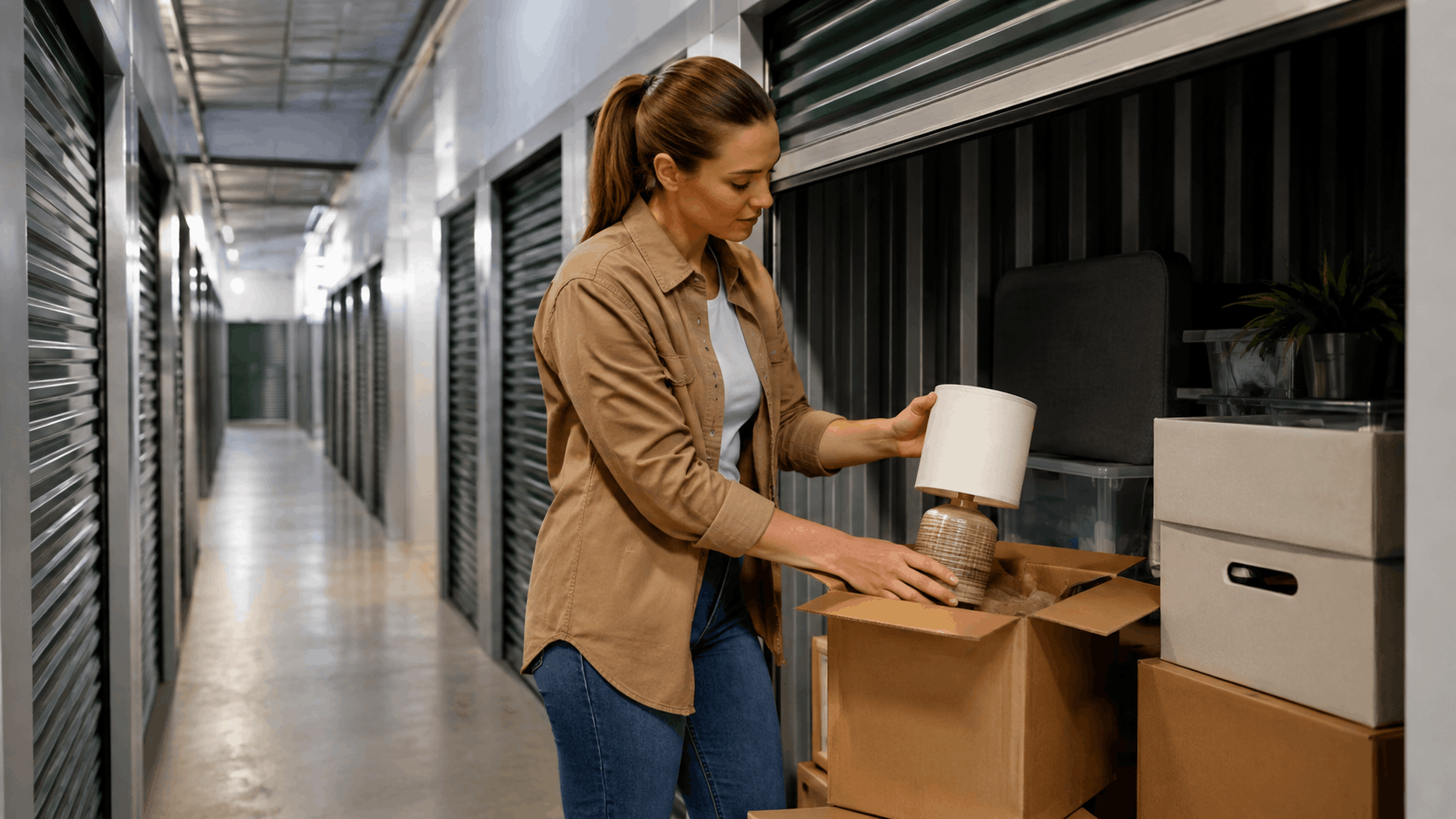
A fair worry is that opening a vault to grab one thing might damage everything else inside. Our safeguards focus on item protection, damage prevention, and careful handling at every step. Nothing else should suffer because you needed one box.
How We Repack So Nothing Shifts
When we close a vault back up, repacking is deliberate. We use moving blankets and padding to fill gaps and cushion furniture, so items do not slide around once the vault goes back into the stack.
Stacking order inside the vault matters too. Heavy pieces go on the bottom, lighter boxes on top, and fragile things get cushioned space. We reload in a stable pattern rather than just tossing things back in.
Our crews treat the repack with the same care as the original load-in. The goal is a vault that could sit stored for another two years without a single item shifting. A sloppy repack is where damage happens, so we do not allow it.
Padding also protects against the vibration of forklift movement when we restack. Every time a vault gets lifted and moved, secure packing keeps the contents still. That is why the blankets and cushioning are not optional.
Climate and Dust Concerns in the Warehouse
Our Los Angeles warehouse keeps stored belongings clean and covered. Wooden vaults are enclosed containers, so dust does not settle directly on your furniture and boxes while they sit in storage. The vault itself acts as a dust cover.
When we open a vault for a pull, we work efficiently and close it back up so contents are not exposed for long. Any item that stays uncovered gets a dust cover or blanket during the process. Warehouse conditions stay controlled.
LA's dry climate is generally kind to stored goods, but heat can be a factor in summer. Our warehouse manages conditions to keep temperatures reasonable for the wooden vaults and their contents. This protects wood furniture and paper records alike.
Customers storing sensitive items should mention it at move-in. If something needs extra climate care, we plan for it. Our storage solutions team can advise on the right approach for delicate belongings.
Fragile and High-Value Items
Artwork, mirrors, and antiques get extra care during any pull. These fragile items are wrapped and often crated when they first go into storage, so reaching them means handling those protective layers gently. We never rush a fragile pull.
High-value pieces like a piano or a large framed painting call for specialized handling. Our team knows how to move these without stressing joints or surfaces. For pianos specifically, our piano moving crew handles the retrieval.
Mirrors and glass need edge protection and a flat carry. We keep them padded and upright during a pull, and we secure them fully before any transport. A cracked mirror is exactly the outcome our process is built to avoid.
If your stored belongings include valuable art or antiques, tell us when you book the pull. Knowing ahead lets us bring the right padding and crating materials. Our packing and crating team supports these careful retrievals.
Need Help in Los Angeles?
Popeye Moving & Storage serves Los Angeles and all of Los Angeles County.
When a Single-Item Pull Is Not the Best Choice
Honesty matters. A single-item pull is great for occasional needs, but there are cases where it is not the smart move. Knowing when to choose a different option helps customers make a real decision instead of overpaying.
When You Keep Needing Things Every Few Weeks
If someone finds themselves calling for a pull every couple of weeks, the access fees add up. Paying $100-plus each time to reach the same vault gets expensive over a few months. At that point, a different setup makes sense.
For frequent access, a self-storage unit near your home is often the better fit. You get to walk in and grab your own things whenever you want, with no per-visit fee. That freedom beats repeated warehouse pulls for active users.
Vault storage shines for long-term holding you rarely touch. Self-storage shines for stuff you reach for often. If your needs shifted from "store and forget" to "grab something weekly," we will tell you to consider the switch.
Our team would rather point you to the right solution than sell you pulls you do not need. If your access pattern changed, a conversation about alternatives saves you money. We are happy to have it.
When It Makes Sense to Pull Several Items at Once
If you know you will need multiple items over the next month or two, pull them together. A batch pull spreads the single access fee across everything you grab in one visit. The per-item cost drops sharply.
For example, pulling one box costs the full access fee for that box. Pulling four boxes in the same visit still costs roughly one access fee, split four ways. That is real cost savings for a little planning.
Think ahead about what you will want. Seasonal clothes, holiday decorations, and a couple of files can all come out in one trip. Making a short list before you call helps us plan an efficient batch pull.
The only limit is what fits your pickup vehicle or delivery load. If the batch is large, delivery may be smarter than pickup. Either way, combining beats making three separate trips over three weeks.
When a Full Delivery Is Actually Cheaper
Sometimes repeated pulls add up to more than just delivering the whole vault home. If you keep needing things and paying access fees, you may cross a break-even point where a full delivery would have cost less.
Run the math. Four or five pulls at $100 to $200 each starts to approach the cost of one full vault delivery. If you are heading toward that many requests, delivering everything home may be the better value.
A full delivery also makes sense if your storage need is ending. If you are moving into a new place in Pasadena or Santa Monica soon, bringing the whole vault at once beats piecemeal pulls. Our residential moving team handles those full deliveries.
We will always run the cost comparison with you honestly. If a full delivery saves you money over repeated pulls, we say so. The right call depends on how much you need and how often, and we help you see the break-even clearly.
Serving Neighborhoods Across the Los Angeles Area
Los Angeles is not one place. It is dozens of neighborhoods with different streets, buildings, and traffic realities. Our Los Angeles moving and local delivery experience across these areas shapes how we plan every pull.
Deliveries to Hillside and Canyon Homes
Some of the trickiest deliveries go to hillside and canyon homes. Areas like Laurel Canyon and the Hollywood Hills have narrow streets, tight turns, and steep driveways that a full-size truck cannot always reach easily.
For these spots, we plan the vehicle and route carefully. Sometimes a smaller truck is the right call for a single-item delivery up a winding canyon road. Our drivers know which streets pinch and where turning around gets hard.
Parking is another canyon challenge. Many hillside homes have no driveway space and street parking that barely fits a delivery vehicle. We scout the drop location ahead so the crew is not stuck circling on a blind curve.
Because these deliveries take more planning and time, we factor that into the quote up front. A canyon delivery is doable, but it is not the same as a flat run to a Culver City townhouse. We set expectations honestly.
Apartment and Condo Access in Downtown and Koreatown
Dense buildings in Downtown LA and Koreatown come with their own rules. Many have loading docks that require reservations, freight elevators with size limits, and HOA time windows that only allow moves during set hours.
Before a delivery, we check the building's move-in rules. Some Downtown high-rises only permit deliveries on weekdays through a specific loading dock. Missing that window means rescheduling, so we confirm it in advance.
Elevator access shapes what we can bring up in one trip. A large item may need to go on a freight elevator with a certificate of insurance on file with the building. We handle that paperwork so the crew is not turned away.
Koreatown's older buildings sometimes lack loading docks entirely, meaning a longer carry from the street. We plan for that walking distance and the parking situation. Knowing these details ahead keeps the delivery smooth for city dwellers.
Timing Around LA Traffic and Freeway Routes
Traffic is the wild card in every LA delivery. The 405, the 101, and the 10 freeways shape our scheduling more than raw distance does. A delivery to the Westside or the Valley lives and dies by when we hit the road.
We time deliveries to dodge the worst congestion. A run over the hill to the Valley goes better mid-morning than at 5 p.m. on the 101. Scheduling around peak windows gets your item to you sooner.
Westside deliveries near the 405 get the same treatment. That freeway backs up hard, so we plan drives to Santa Monica, Brentwood, or Marina Del Rey around the crush. Local knowledge saves everyone time.
This is why we offer delivery windows rather than exact minute promises. LA traffic does not cooperate with tight timelines. We give you a realistic window and update you if the freeways throw a surprise our way.
Need Help in Los Angeles?
Popeye Moving & Storage serves Los Angeles and all of Los Angeles County.
How to Request a Single-Item Pull From Our Team
Booking a pull is straightforward when you have the right info ready. Here is the practical path to request retrieval and get storage access without back-and-forth delays.
Information to Have Ready When You Call
Start with your account number. This ties you to your storage file and inventory records, and it lets us pull up your vault contents easily. If you do not have it handy, your name and the move-in details work too.
Next, describe the item clearly. A good item description includes size, color, material, and any tag number from your inventory sheet. "The gold-framed mirror in a wooden crate, tag 88" beats "a mirror" every time.
Have a preferred date in mind. Telling us when you need the item lets us check the schedule and set a realistic appointment. If your deadline is tight, say so early so we can plan the dig-out.
Finally, decide whether you want pickup or delivery. Knowing this up front lets us quote accurately in one call. Having all four pieces ready means your booking takes one call instead of multiple calls.
Getting a Clear Quote Before Anyone Moves
We confirm the fee and timing before any work starts. Once we locate your vault and understand its stacking position, we give you a quote that covers the access fee, any labor for depth, and delivery if you want it.
Upfront pricing means no surprises. You know the number before we touch a forklift. If the item is buried deep and needs extra labor, we tell you that as part of the quote, not after the fact.
The quote also confirms timing. We tell you the earliest realistic appointment and the delivery window if applicable. You approve the plan before we schedule anything, so you stay in control of the cost.
If the quote makes a full delivery or a batch pull look smarter, we mention it. Our goal is the right call for your situation. You get the information to decide before committing to anything.
Scheduling Pickup or Delivery That Fits Your Week
Once you approve the quote, we set the appointment. For warehouse pickup, we give you a time to come by our facility near downtown Los Angeles. For delivery, we coordinate a window that fits your week.
Delivery scheduling accounts for building or gate access. If your condo needs a loading dock reservation or your gated community needs advance notice, tell us and we work it into the plan. Coordination up front avoids a wasted trip.
We keep windows realistic given LA traffic. Rather than promise an exact minute, we give a delivery window and update you if the roads change things. You know roughly when to expect the crew.
Ready to book? Reach our team through our contact page or give us a call. Have your account number and item description ready, and we will get your single-item pull scheduled.
Final Thoughts
A single-item pull is the simplest way to reach one thing from a stored vault without moving your whole household. The cost comes from the access fee, the labor of how deep the item sits, and delivery if you want it. Good inventory records make every pull easier and cheaper.
For occasional needs, a pull beats a full delivery every time. For frequent access, self-storage or a batch pull may serve you better, and we will tell you honestly which fits. Either way, careful handling keeps the rest of your belongings safe.
Whether you need tax records before a deadline or one framed piece for a Silver Lake showing, our team at Popeye Moving & Storage Co. can retrieve it from our Los Angeles warehouse. Call us or reach out through our contact page for a clear quote and a schedule that fits your week.
Frequently Asked Questions
- What is a single-item pull?
- A single-item pull is retrieving one item from a stored vault without unpacking the whole thing. Our crew locates the vault holding your belongings, opens it, removes the specific box or piece you asked for, and repacks the rest so it stays protected. It saves you from paying for a full vault delivery when you only need one thing.
- How much does it cost to pull one item from a vault?
- In the Los Angeles area, a single-item pull typically starts with an access fee of $75 to $150, plus extra labor if the item is buried deep in a stacked vault. Delivery adds roughly $95 to $250 or more depending on distance and traffic. Picking the item up yourself at our warehouse removes the delivery charge and lowers the total.
- How long does a single-item pull take to schedule?
- Most single-item pulls schedule within 2 to 3 business days. Same-day is sometimes possible if your vault is easy to reach and our crew has an opening, but it is not guaranteed. Vaults buried under others take planning to dig out, so calling a few days ahead gets you a better appointment and a lower cost.
- Can I pick the item up myself instead of paying for delivery?
- Yes. Warehouse pickup is often available and is the cheapest option. You come to our facility near downtown Los Angeles at a scheduled time and take the item yourself. This removes the delivery fee entirely, which is the largest variable cost. It works best for items that fit in your vehicle and when you have a free hour.
- What if I do not remember which vault my item is in?
- No problem. Our warehouse keeps its own copy of the inventory sheet tied to your account. Even if you lost your paperwork, we run a vault lookup on our records to find your item. Give us your name and account details plus a clear description, and we match it to the correct vault before any digging starts.
- Will pulling one item damage the rest of my belongings?
- No. Our crews repack every vault carefully after a pull. We use moving blankets and padding to fill gaps, reload boxes and furniture in a stable order, and close the vault so nothing shifts during storage or restacking. Protecting the belongings around your item is a core part of the process, and we never rush the repack.
- Can I pull several items in one visit?
- Yes, and it saves money. Combining several items into one batch pull spreads the single access fee across everything you grab. Pulling four boxes in one visit costs roughly one access fee instead of four separate ones. If you know what you will need over the next month or two, make a list and pull it all together.
- Do you deliver single items throughout Los Angeles?
- Yes. We deliver single items across LA neighborhoods, from Culver City and Koreatown to Santa Monica, Pasadena, and the Valley. Delivery pricing depends on distance from our downtown-area warehouse and traffic on routes like the 405 and 101. We time deliveries around peak congestion and give you a realistic window rather than an exact minute.
- Is a single-item pull cheaper than a full vault delivery?
- For one or a few items, yes, a pull is much cheaper than a full delivery. But repeated pulls add up. If you find yourself needing four or five items over time, the combined access fees may approach or exceed the cost of one full vault delivery. We run that comparison with you honestly so you pick the better value.
- What information do I need to request a pull?
- Have four things ready: your account number, a clear item description with size and color or a tag number, your preferred date, and whether you want pickup or delivery. With those details, we locate your vault, quote the fee up front, and schedule the pull. The clearer your item description, the sooner we confirm the right thing.
Popeye Moving & Storage Co. Team Team
Licensed moving and storage professionals serving Los Angeles and Los Angeles County.
Licensed in California · License #CAL T 189749 | USDOT 1472924 | MC 498816C
Why trust Popeye Moving & Storage?
Founded in 1994, Popeye Moving & Storage is a licensed and insured moving and storage service serving Los Angeles and Los Angeles County. All content is reviewed by our licensed technicians.

Need Help in Los Angeles?
Popeye Moving & Storage serves Los Angeles and all of Los Angeles County.
Related Articles
Santa Monica Move Cost: Beach Cities Premium Pricing Explained
Santa Monica moving costs run higher than inland LA for real reasons. Learn what drives beach city pricing, typical cost ranges, hidden fees, and how to save.
What Vaulted Storage Billing Includes - Wrapping, Inventory, and the Line Items Self-Storage Never Shows
A clear breakdown of what vaulted storage billing includes - wrapping, inventory, handling, and coverage - and why self-storage quotes never show these line items upfront.
What Vaulted Storage Costs in Los Angeles - and Why It Beats a Self-Storage Unit for Furniture
Vaulted storage in LA runs $75-$150 per vault monthly and protects furniture better than a self-storage unit. See real costs, hidden fees, and when a vault wins.