Storage for Playa Vista Apartment Dwellers: Seasonal Gear, Bikes, and the Second-Bedroom Problem
Key Takeaways
- Playa Vista apartments favor open living space over closets and garages, so gear-heavy renters run out of room.
- Renting off-site storage costs far less than upgrading to a larger apartment for the extra square footage.
- Clearing the second bedroom of stored boxes turns it back into a usable office, nursery, or rentable room.
- Climate-controlled units protect bikes, boards, and fabrics from the salty marina air near the coast.
- A 5x5 or 5x10 unit fits gear and boxes, while a 10x10 clears a full second bedroom of furniture.
- Full-service pickup saves busy Silicon Beach workers a full day of truck rental and Westside traffic.
- Proper packing, padding, and moisture control keep stored gear and furniture safe for months or years.
- Popeye Moving & Storage Co. handles pickup, packing, and secure storage close to the Playa Vista neighborhood.
In This Article
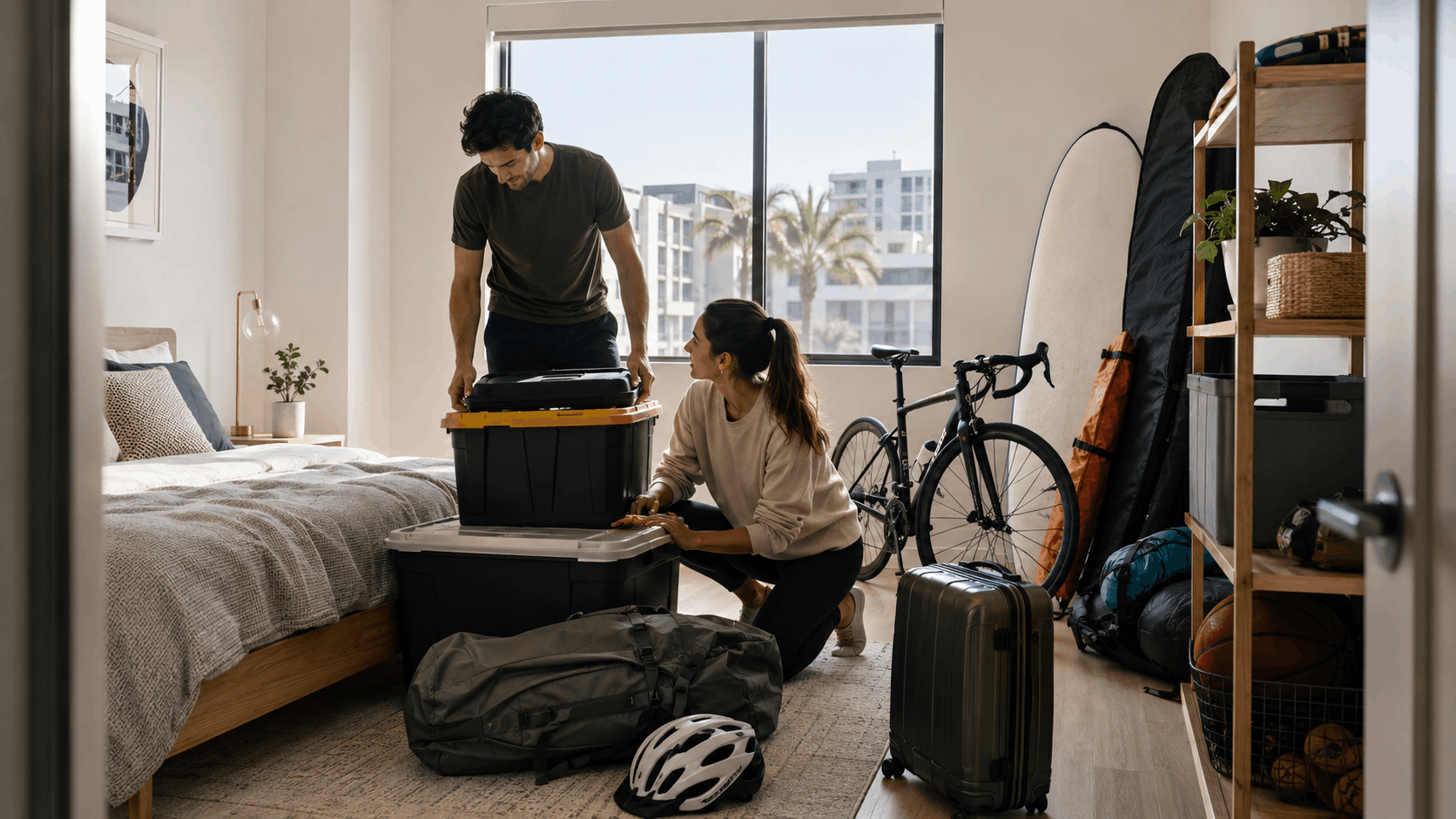
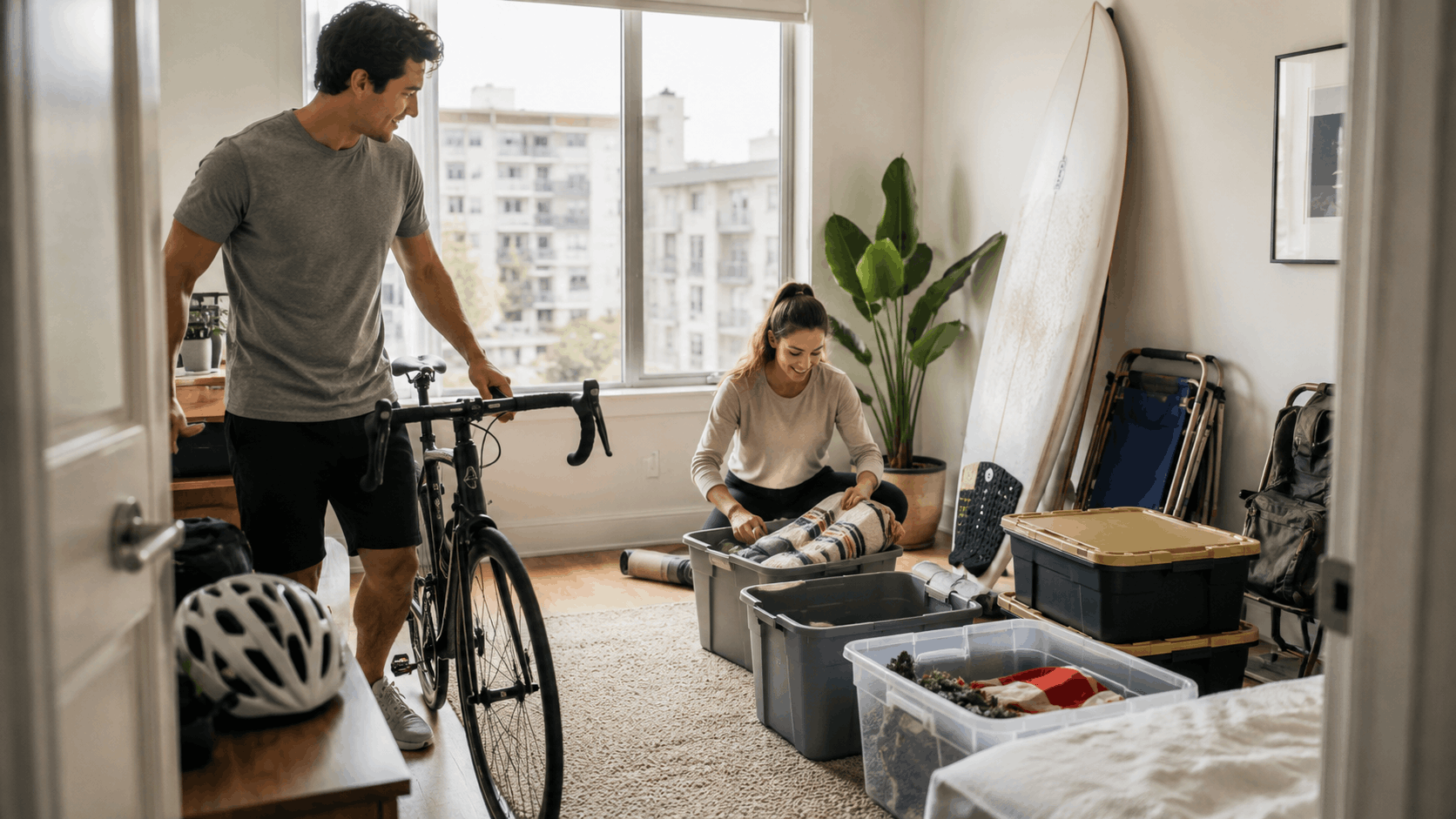
Somewhere in a Runway apartment tonight, a Playa Vista renter is standing in a hallway trying to decide whether the paddleboard leans against the wall or blocks the front door. The road bike is on the balcony. Two bins of holiday decorations sit on the guest bed, and the second bedroom that was supposed to be an office has quietly become a storage closet with a window.
This is the daily reality for people living near Concert Park and the Runway shops. The buildings look sleek, the finishes are new, and the closets are almost an afterthought. Add a beach lifestyle full of gear, and the square footage disappears.
Our team at Popeye Moving & Storage Co. works with Westside renters every week, hauling bikes, boards, furniture, and boxes out of tight units and into safe storage. This guide walks through why Playa Vista apartments run out of room, how to reclaim that second bedroom, and how to store seasonal gear and bikes the smart way.
Why Playa Vista Apartments Run Out of Space So Often
Playa Vista apartments were built for a certain kind of life. Think open kitchens, big windows, and clean lines. That look sells well, but it leaves very little room for the stuff active Angelenos actually own.
The neighborhood sits at the heart of Silicon Beach, where new construction favors style over storage. When you pack a gear-heavy household into a small storage footprint, the shortage shows up within weeks of moving in. Below are the layout quirks that eat the most space.
Modern Floor Plans With Little Closet Space
The units near Concert Park and Runway were drawn up to feel spacious in the living room. Designers gave the square footage to the open areas, the kitchen island, and the floor-to-ceiling windows. That is great for hosting, but it means the closets shrink.
Many one-bedroom floor plans include a single reach-in closet and a small coat nook by the door. There is often no linen closet, no hall closet, and no garage cubby. When residents ask where the vacuum, the suitcases, and the winter coats go, the honest answer is that the floor plans never planned for them.
We see this constantly during pickups off Millennium Drive and Bluff Creek. Renters buy shelving units and over-the-door organizers, and still run short. The lack of closet space is not a personal failing. It is baked into how these apartments were designed.
Once people accept that the closets will never be enough, they start looking outside the unit for answers. That is usually where off-site storage enters the conversation, and it changes how the whole apartment feels.
The Cost of Renting Extra Square Footage
Some renters try to solve the problem by jumping to a bigger apartment. On the Westside, that is an expensive fix. Rent per square foot in Playa Vista runs high, so upgrading from a one-bedroom to a two-bedroom can add hundreds of dollars every month.
Do the math and the gap is striking. A larger unit might cost 800 to 1,200 dollars more per month, and you pay that every single month, forever. You are also paying that premium on living space you mostly use to hold boxes.
An off-site storage space in the area costs a fraction of that. A small unit can run under 100 dollars a month, and a mid-size unit often lands well under what a second bedroom would add to your rent. The storage cost math almost always favors keeping the smaller apartment and moving the overflow out.
Renters who run these numbers usually realize they were about to pay bedroom prices to store camping chairs. Our storage solutions give them the extra room without the extra lease.
Shared Garages and Limited Parking Storage
People assume the building garage will absorb the extra gear. In most Playa Vista buildings off Jefferson Boulevard, that is not allowed. HOA and management rules ban storing bikes, boxes, and equipment in the parking areas for fire and code reasons.
Then there is the tandem parking problem. Many units come with two tandem spots, meaning one car parks behind the other. There is no room on the sides for a storage cabinet, and blocking the walkway is against the rules anyway.
We have loaded plenty of trucks in these garages, and the tight columns and low clearance make even simple moves slow. Trying to use that space for garage storage just creates conflict with neighbors and management. It is not a real option for most residents.
That leaves the apartment itself as the only storage on hand, which is exactly why units fill up. Parking areas here are for parking, not for the surfboard collection.
Active Lifestyles Mean More Gear
Playa Vista attracts people who like being outside. The beach is minutes away, the Ballona wetlands trails are right there, and the Marina is a short ride down the path. That lifestyle comes with a lot of stuff.
A typical household here might own two or three bikes, a couple of paddleboards, a wetsuit or two, beach chairs, a cooler, and a set of camping gear. None of it folds down small, and all of it needs a home. The more you enjoy the Westside, the more outdoor gear you accumulate.
We have picked up loads that included a kayak, three bikes, and a rooftop tent from a single one-bedroom unit. The residents were not hoarders. They were just active people living in a space that could not hold their hobbies.
The beach lifestyle is the whole reason people move here, so nobody wants to give up the gear. The smarter move is finding a place to keep it that is not the living room floor.
Get Your Free Quote
Tell us about your move. We'll be in touch soon.
Solving the Second-Bedroom Problem
The second bedroom is where good intentions go to die. It starts as an office or a guest room, and within a year it holds everything that did not fit anywhere else. Off-site storage is how you get that room back.
Reclaiming a spare room changes how the whole apartment works. Suddenly you have an office, a nursery, or a real guest room instead of a storage room with a door you keep closed. Here is how renters make that shift.
When the Guest Room Becomes a Junk Room
It happens slowly. A few boxes from the last move go in the corner. Then the seasonal bins, the extra chair, the exercise bike nobody uses. Before long the guest room is a maze you cannot walk through.
The problem is that the clutter does not stay contained. Once the spare room fills up, the overflow spreads into the hallway and the living room. The whole apartment starts to feel smaller and more stressful.
We hear the same line during almost every consultation off Discovery Creek and Seabluff. Someone says they have not been able to use the second bedroom in months. The room exists on the lease but not in real life.
A junk room is wasted money. You are paying rent on space you cannot enter. Clearing it out is the fastest way to feel like your apartment grew without moving.
Turning a Spare Room Into Rentable or Usable Space
Once the boxes leave, the options open up. That spare room can become a real home office, which matters a lot for the tech and creative workers who fill Silicon Beach. Working from a proper desk beats working from the couch.
Some renters take it further and bring in a roommate. In a high-rent area, a spare room can offset a big chunk of the monthly payment. You cannot rent out a room full of bins, but you can rent out a clean, usable bedroom.
Growing families use the same move for a nursery. Clearing the storage out of the second bedroom is often the first step new parents take when they decide to stay in the neighborhood instead of moving. It keeps them close to the parks and the schools they like.
The point is that the room has value beyond storage. Once it is empty, it can pay for itself or make daily life better. That is a far better use than holding decorations.
What to Move Out First
Not everything needs to leave. The goal is to move the items you rarely touch and keep the daily-use things at home. Start with the obvious candidates.
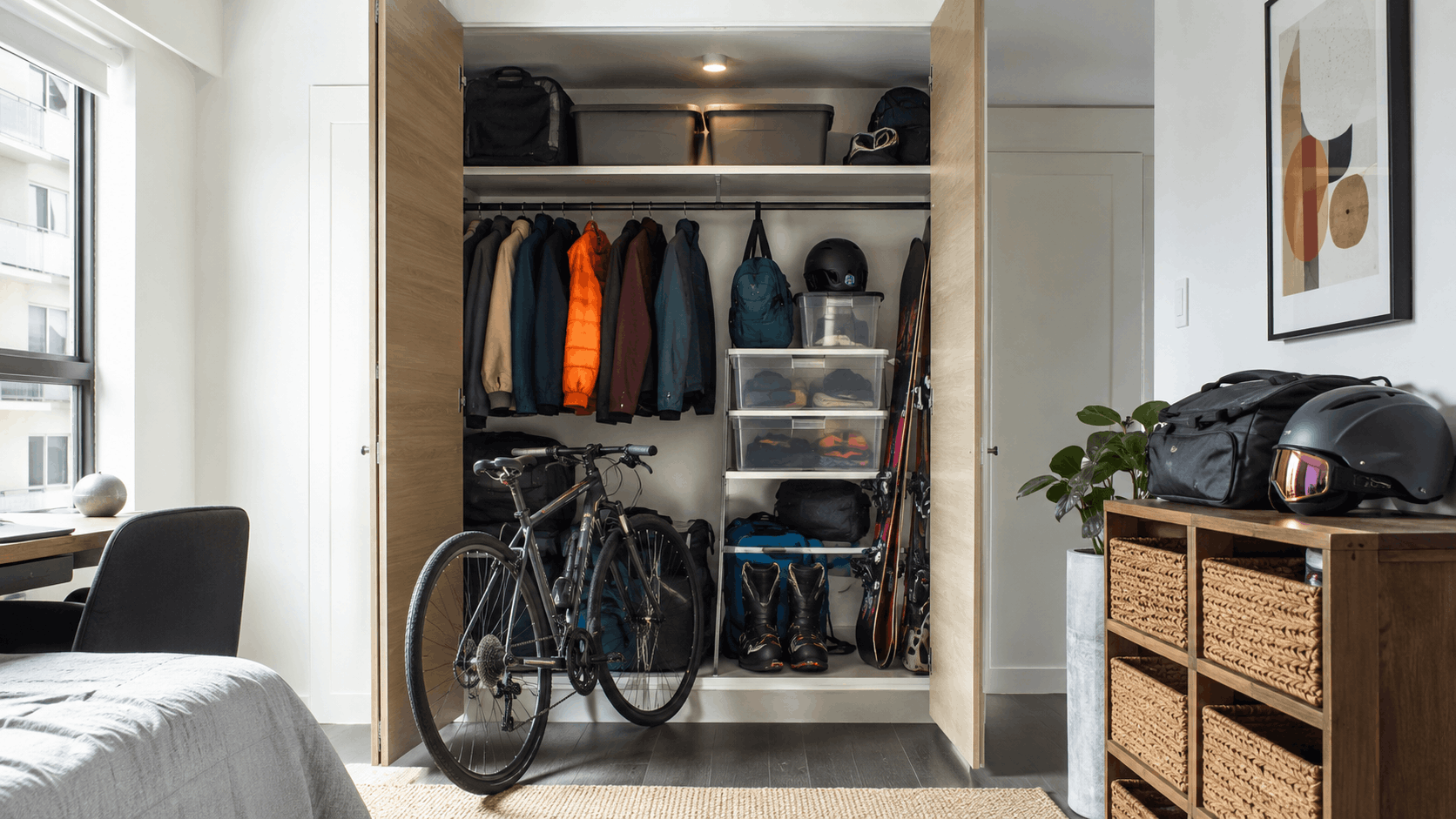
Off-season items top the list. Winter coats, ski gear, and heavy blankets sit unused for most of the year on the Westside. Off-season clothes and holiday bins are perfect for storage because you only need them a few weeks a year.
Next comes rarely used furniture. The extra dresser, the guest bed nobody sleeps in, and the folding chairs can all go into furniture storage. Important documents you want kept safe but out of the way also make sense to store in labeled, sealed boxes.
Leave the things you reach for weekly. The idea is to empty the room, not to strip your daily life bare. A simple walk-through sorting items into keep, store, and donate piles usually gets it done in an afternoon.
How Popeye Moving & Storage Co. Handles Room Clear-Outs
This is the part most renters dread, and it is the part we make simple. Our crew comes to your Playa Vista unit, packs the items you want stored, and hauls them out for you. You do not rent a truck or carry anything down the elevator.
The pickup service works around the building rules. We know the loading dock routines off Jefferson Boulevard, we bring our own dollies and pads, and we work efficiently to keep your reserved elevator time short. Our local residential moving team handles these buildings all the time.
Once loaded, everything goes to secure storage where it stays clean and protected. You get your second bedroom back the same day, and your gear is safe. No weekend lost to a rental truck and a bad back.
Working with Popeye Moving & Storage means one call clears the room. We handle the heavy lifting so you can go back to enjoying the neighborhood instead of fighting your own clutter.
Need Help in Los Angeles?
Popeye Moving & Storage serves Los Angeles and all of Los Angeles County.
Storing Seasonal Gear the Smart Way
Seasonal gear is a rotation problem. You do not need the holiday bins in July or the beach cooler in December, but you need somewhere to keep both. The trick is closet rotation, moving items in and out as the seasons change.
Good seasonal storage keeps your apartment closets holding only what you use right now. Everything else waits off-site until its season comes around. Here is how Westside residents handle the usual gear.
| Gear Type | Used How Often | Best Storage Approach |
|---|---|---|
| Surfboards and paddleboards | Warm months, weekends | Vertical racks, board bags, climate control |
| Holiday decorations | Once a year | Labeled sealed bins, stacked |
| Camping and trip gear | A few trips a year | Duffels and bins, easy-access shelf |
| Off-season clothing | Seasonal swap | Wardrobe boxes, moisture control |
Beach and Water Gear for Dockweiler Trips
Dockweiler State Beach is one of the closest sandy spots to Playa Vista, which means the beach gear gets heavy use. Surfboards, paddleboards, wetsuits, and coolers pile up for households that hit the water regularly.
The trouble is that boards are long and awkward. A surfboard leaning in the corner of a small apartment blocks a doorway or scratches a wall. Paddleboards are worse, since they are wide and hard to tuck away.
Storing beach gear off-site keeps it out of your living space between sessions. Boards travel well in padded bags and stand upright on racks in a unit. When a beach day comes, you swing by, grab the gear, and head to Dockweiler.
We help residents set up their units so boards stand safely without leaning against each other. Proper spacing keeps the fins and rails from getting dinged over the season.
Holiday Decorations and Bulky Boxes
Holiday storage is the easiest win in the whole apartment. Those bins only come out once a year, yet they take up a whole closet shelf for the other eleven months. That is prime space wasted on items you barely touch.
The lights, the tree, the ornaments, and the seasonal serving dishes all belong in labeled bins that live off-site. When December comes, one pickup brings them home. When the season ends, they go right back.
We recommend clear or color-coded bins so you can spot the holiday boxes at a glance in your unit. Stacking them on a shelf keeps the floor clear for larger items. Good labeling saves you from opening five bins to find the string lights.
Moving bulky seasonal boxes out is often the first thing renters store, because the payoff is immediate. A cleared closet shelf feels like found space.
Camping and Weekend Trip Equipment
Weekend trips are part of life here. People drive up the coast toward Malibu or head to the mountains, and the gear for those trips is bulky. Tents, sleeping bags, coolers, and camp stoves add up.
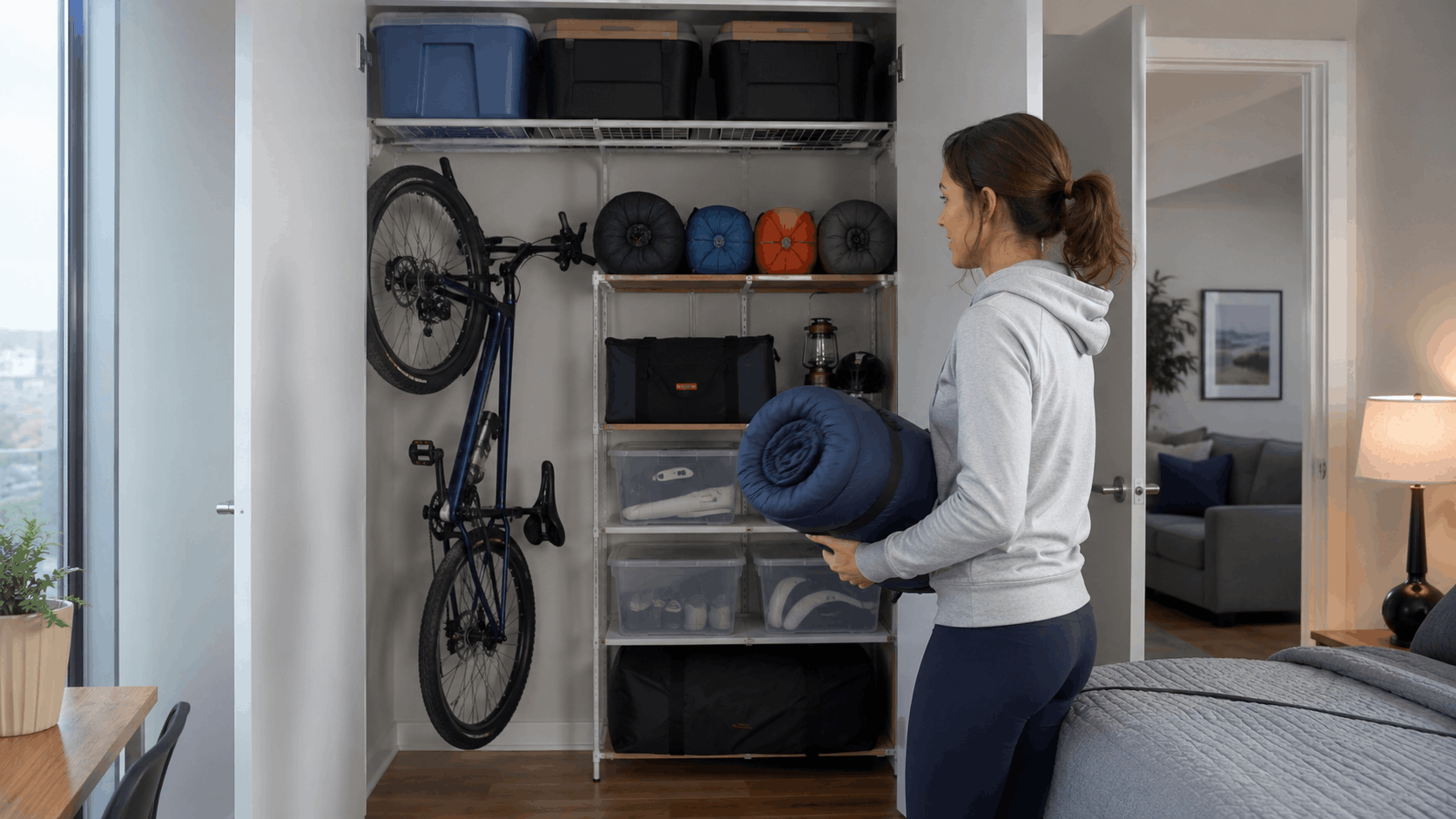
None of this gear earns its keep sitting in your apartment between trips. Camping gear is heavy, dusty, and takes up a full closet you could use for daily items. Keeping it off-site frees that space while your gear stays organized and ready.
The best setup keeps trip gear together in duffels and bins on one shelf. When a weekend trip comes up, you grab the whole kit in one trip to the unit. No hunting through the apartment for the lantern and the tent stakes.
Residents who camp a few times a year love this arrangement. The gear is there when they want it and invisible when they do not.
Climate Considerations for the Marina Air
Living near the Marina comes with salty coastal air, and that air is hard on stored gear. Salt and moisture cause rust on metal parts, mildew on fabrics, and corrosion on zippers and bike chains. Ordinary storage can let that damage creep in.
Climate-controlled space solves the problem. It holds a steady temperature and lower humidity, which keeps the coastal air from ruining wetsuits, tents, and metal gear. For anything with fabric or metal, climate control is worth it near the water.
We steer Westside clients toward climate-controlled units for exactly this reason. The gear that gets stored here often costs thousands of dollars, and protecting it from the marine layer keeps it in good shape for years.
Boards, bikes, and camping gear all last longer when they are not exposed to damp, salty air. The small extra cost of climate control saves you from replacing ruined gear later.
Bike Storage for Playa Vista Cyclists
Playa Vista is a cyclist's neighborhood. The Ballona Creek path runs right alongside it, carrying riders down to Marina del Rey and beyond. That means a lot of bikes, and apartments that were never built to hold them.
Cyclists here often own more than one bike, and every bike needs a home. Bike storage becomes a real puzzle in a small unit. Here is how riders solve it.
Why Bikes Clog Hallways and Balconies
The first instinct is to park the bike on the balcony or in the hallway. Most Playa Vista buildings do not allow either. HOA and management rules ban bikes from balconies for appearance and safety, and hallways are fire lanes that must stay clear.
So the bike comes inside. Now it leans against the living room wall, dropping grease and marking the paint. A second bike makes it worse, and a couple with three bikes has no floor left.
We have talked to many renters who got warning notices from management about bikes on the balcony. The balcony rules are strict here, and buildings enforce them. Keeping bikes inside is the only compliant option, and it is a bad one.
The mismatch is simple. Cyclists have bikes, and the buildings have no place to put them. That pushes riders to look for storage away from the apartment.
Protecting Bikes From Theft and Weather
Bikes are a target for theft, and shared garages are a common spot for it. Even locked bikes disappear from parking areas when access is loose. A nice road bike can be worth several thousand dollars, which makes it a prize for thieves.
Secure storage protects that investment. A locked unit in a monitored facility keeps bikes far safer than a shared garage or a balcony. You control the access, and the bike stays behind your own lock.
Weather is the other threat. Bikes left outside or in damp garages develop rust on the chain and components, especially near the coast. Storing bikes in a clean, climate-controlled unit keeps the drivetrain and frame in riding shape.
For riders who spent real money on their bikes, secure storage is cheap protection. Losing a bike to theft or corrosion costs far more than a unit rental.
Storing Multiple Bikes Per Household
Couples and families rack up bikes. One partner rides road, the other rides a mountain bike, and the kids each have their own. Suddenly a two-person household has four or five bikes and nowhere to keep them.
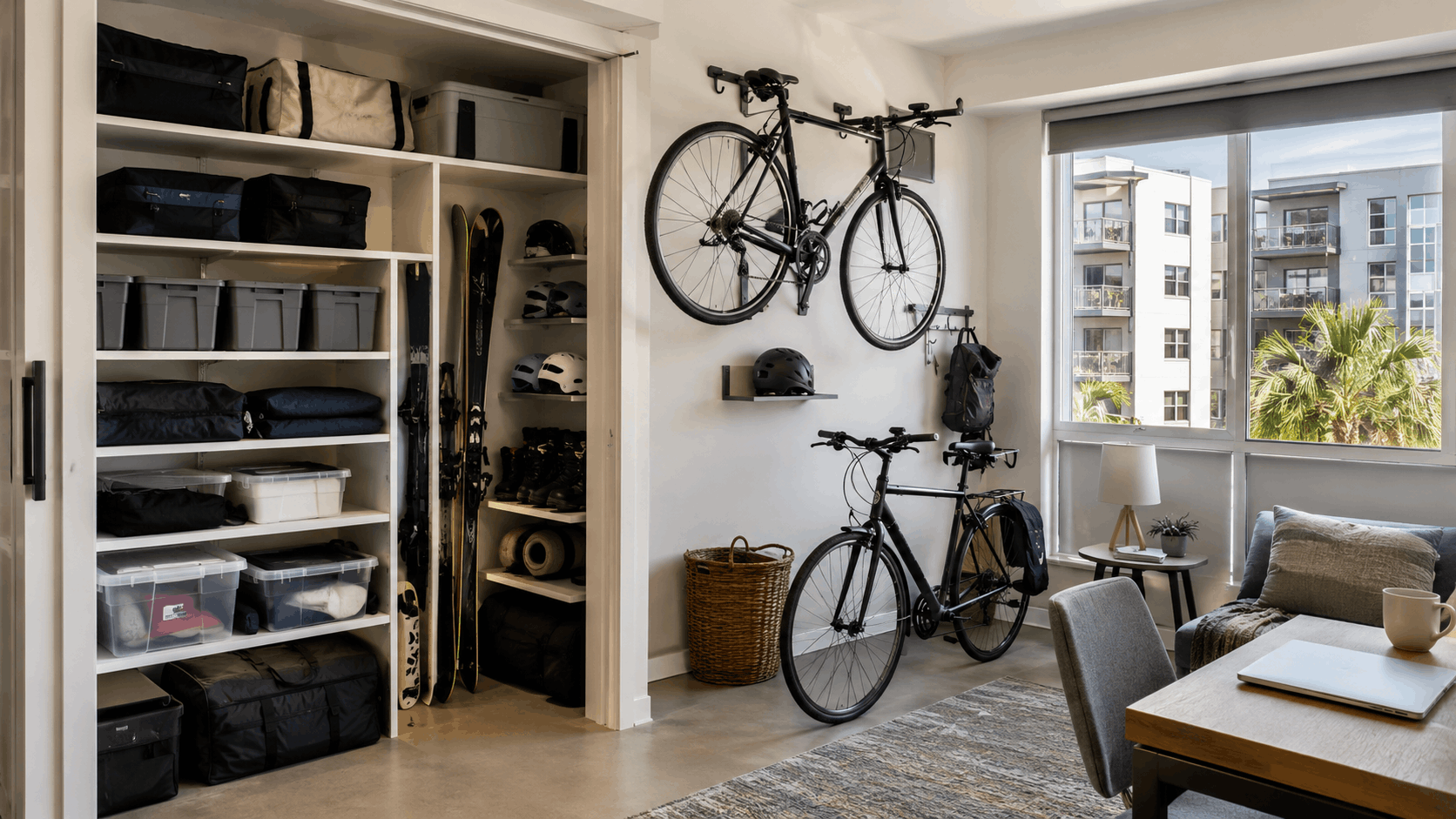
A storage unit fitted with wall or floor bike racks holds several bikes neatly. Racks keep the bikes from leaning on each other, which prevents scratched frames and tangled handlebars. Multiple bikes stay organized instead of piled in a heap.
We help families lay out units so every bike has a spot and there is still room to walk in and grab one. Good spacing matters when you have five bikes and want to pull one out without moving the others. Our specialty moving crew handles bikes and other awkward items with care.
Family bikes tend to grow in number over the years as kids get bigger. A unit gives you room to add bikes without crowding your apartment.
Easy Access for Ride Days on the Creek Path
The whole point of owning bikes here is riding them. Nearby storage makes that easy. On a weekend, you swing by the unit, grab the bikes, and roll onto the Ballona Creek path soon after.
The path connects Playa Vista straight to Marina del Rey and the ocean, so ride days are a regular thing. Storage close to the neighborhood means the bikes are always ready when the weather is good. You are not wrestling them out of a cramped closet first.
Our storage sits an easy drive from Playa Vista, so grabbing gear does not eat your morning. Riders in Marina del Rey and the surrounding area use the same setup for the same reason.
Easy access is what makes off-site bike storage work. If it were a hassle, nobody would use it. Because it is close and simple, the bikes stay stored and still get ridden.
Need Help in Los Angeles?
Popeye Moving & Storage serves Los Angeles and all of Los Angeles County.
Choosing the Right Storage Unit Size
Picking the right storage unit size saves money and frustration. Rent too small and your gear does not fit. Rent too big and you pay for empty air. Matching the unit to what you own is the goal.
Unit sizes are measured in square footage, and a few standard options cover most renters. Here is how to figure out which one fits your situation.
Small Units for Gear and Boxes
A 5x5 unit is about the size of a large closet. It holds seasonal gear, a stack of boxes, a couple of bikes, and some sports equipment. For a renter who just wants to clear the overflow, a small unit often does the job.
A 5x10 unit doubles that space and works like a walk-in closet. It fits several boxes, a few pieces of small furniture, bikes, boards, and camping gear together. Most one-bedroom renters clearing their extra stuff land in this range.
These small units are the cheapest option and cover the typical need. If you are storing gear and boxes rather than a full room of furniture, start here. You can always size up later if you need to.
We help renters judge whether a 5x5 or 5x10 fits before they commit. Guessing wrong wastes money, so it pays to check first.
Mid-Size Units for a Full Room of Furniture
When you are clearing out a whole second bedroom, a 10x10 unit is usually the right call. It holds the contents of a full room, including a bed, a dresser, a desk, boxes, and gear. That is roughly the footprint of a small bedroom itself.
The 10x10 gives you room to store furniture without stacking everything to the ceiling. You can walk in, reach the back, and pull out what you need. That access matters when you store items you might want back seasonally.
For renters turning a spare room into an office or nursery, this size clears the whole room in one move. The furniture goes into storage intact and comes back when you want it. Our long-term storage option suits furniture you plan to keep away for a while.
A 10x10 costs more than a small unit but far less than a second bedroom on your lease. For a full room of furniture, it is the practical middle choice.
Estimating What You Actually Need
Before renting, do a simple inventory. Walk through the items you plan to store and group them into piles: boxes, furniture, gear, and bikes. Seeing it all together gives you a realistic sense of volume.
A simple method is to stack your boxes in one spot and measure the footprint. Then add the furniture dimensions and the bike or board space. Rough measuring beats guessing and keeps you from renting the wrong size.
As a rule of thumb, a closet's worth of gear fits a 5x5, a small room fits a 5x10, and a full bedroom fits a 10x10. Space planning ahead of time prevents the frustration of showing up with more than fits. It also stops you from overpaying for room you will not fill.
If you are unsure, err toward asking rather than guessing. A short conversation about your inventory usually settles the question.
How Our Team Helps With Size Questions
Sizing is where a lot of people get stuck, so we do it with them. When Playa Vista clients call, we ask what they are storing and walk through the list. That conversation usually points to the right size on the first try.
Because we move items out of these apartments all the time, we know how much a typical Runway one-bedroom or a two-bedroom near Concert Park produces. That experience lets us give real numbers instead of vague guesses. We have loaded these units enough to eyeball the fit.
Getting the size right the first time saves you from paying for empty space or scrambling for a second unit. Popeye Moving & Storage gives honest size advice because the goal is to fit your stuff, not to upsell you. Reach out through our contact page and we will help you size it.
One accurate recommendation up front prevents headaches later. We would rather get it right than have you move things twice.
Full-Service vs. Self-Storage for Westside Renters
There are two ways to get your stuff into storage. You can haul it yourself with a rented truck, or you can use a pickup storage service that does the work for you. Each fits a different kind of renter.
For busy Silicon Beach workers, the choice often comes down to time versus money. The table below lays out the trade-offs.
| Factor | Self-Storage (DIY) | Full-Service Storage |
|---|---|---|
| Your time | A full day or more | Almost none |
| Truck rental | Required, extra cost | Included |
| Heavy lifting | You do it | Crew does it |
| Traffic and parking | Your problem | Handled for you |
| Best for | Tight budgets, spare time | Busy schedules |
The Hassle of Renting a Truck and Driving Around
The DIY route sounds cheap until you count the hours. First you reserve a truck, then you drive it through Westside traffic. Lincoln Boulevard and Culver Boulevard crawl at the wrong times of day, and a short trip turns into a long one.
Then there is the parking problem. Getting a rental truck into a Playa Vista building garage off Jefferson Boulevard is tricky with the low clearance and tight columns. You may have to double-park or block a lane while you load, which neighbors and management dislike.
Add the loading, the driving to the facility, the unloading, and the truck return, and you have burned a full day. For someone working long hours in tech or media, that day is expensive. The truck rental fee is only part of the real cost.
Many renters try DIY once and never again. The traffic and the lifting wear thin.
How Door-to-Door Pickup Works
Full-service storage flips the whole process. Our crew comes to your Playa Vista apartment at a scheduled time. We pack and pad the items you want stored, carry them out, and load our own truck.
From there, we drive everything to secure storage and place it in your unit. You never touch a dolly or a rental truck. The door-to-door pickup means the only thing you do is point at what should go.
We handle the building logistics too, from the loading dock to the reserved elevator time. Because we work these Westside buildings often, we move efficiently and keep things clean. Our packing and crating team wraps fragile gear before it leaves your unit.
The whole point is to save your time. You get your space back without spending your weekend on it.
Cost Comparison Over Time
On paper, DIY looks cheaper because you only pay the truck fee and the unit rent. But the hidden costs add up. Truck rental, gas, mileage charges, and your own hours all count against the DIY total.
Full-service storage bundles the labor and transport into the service. You pay more up front for the move, but you skip the truck, the gas, and the lost day. Over time, the monthly storage cost is often similar between the two options once you factor everything in.
The real difference is what your time is worth. If a Saturday off is valuable to you, the small premium for pickup pays for itself. If you have spare time and a tight budget, DIY can work.
Watch for hidden monthly fees either way, like admin charges or insurance. We keep our pricing clear so you know the full cost before you commit.
Which Option Fits a Busy Playa Vista Schedule
For most Playa Vista renters, the answer comes down to schedule. People working demanding jobs in Silicon Beach rarely want to spend a day off wrestling a truck. For them, full-service pickup is the obvious fit.
Think about how often you will need access too. If you only pull items seasonally, full-service works great since you are not visiting often. If you need daily access to your stored gear, a self-storage unit you can reach anytime may suit you better.
Budget matters as well. A renter watching every dollar might choose DIY once, while someone who values time picks pickup every time. Both get your gear stored safely.
We help clients weigh time, budget, and access to land on the right choice. There is no single answer, only the one that fits your life. A short call sorts it out.
Need Help in Los Angeles?
Popeye Moving & Storage serves Los Angeles and all of Los Angeles County.
Packing and Protecting Your Stored Items
Storage only works if your things come out in the same shape they went in. Good packing and storage prep make the difference. A little effort up front keeps gear and furniture safe for months or years.
The coastal setting near the Marina adds one wrinkle: moisture. Protecting items against damp air is part of packing right here. Below are the specifics for each type of item.
Prepping Bikes and Boards for Storage
Bikes need a little care before storage. Clean the frame and chain, wipe off road grime, and let everything dry fully. Lightly oiling the chain keeps rust away, which matters near the salty coast.
Some people deflate tires slightly or hang bikes to keep pressure off the tires during long storage. Covering the bike with a breathable cover keeps dust off without trapping moisture. Bike prep like this keeps components working when you pull the bike back out.
Boards need attention too. Rinse off salt and sand, dry them completely, and store them in padded board bags. Board care means keeping them off the floor on racks so nothing presses against the rails or fins.
A few minutes of prep protects gear worth thousands. Skipping it invites rust, mildew, and dings that shorten the life of your equipment.
Boxing Seasonal Clothes and Decor
Seasonal clothes store best in sturdy boxes or wardrobe boxes rather than loose piles. Fold and pack them clean, since stains set over time. Labeling boxes clearly saves you from digging when the season changes.
Near the coast, moisture control matters for fabrics. Toss a few desiccant packs into clothing boxes to absorb dampness. That step keeps wool coats and cotton from developing that musty smell or mildew.
Holiday decorations do well in sealed plastic bins that keep out dust and moisture. Label each bin by contents so you find the lights easily. Stacking bins on shelves keeps them off the floor and easy to reach.
Clear labeling turns a storage unit into an organized closet. When you can read every box at a glance, retrieving seasonal items takes minutes instead of an hour.
Wrapping Furniture From the Second Bedroom
Furniture from a cleared second bedroom needs protection from scratches and dust. Wrap wood pieces in moving blankets or furniture pads before they go on the truck. The padding guards corners and surfaces during the move and the storage.
Cover upholstered pieces with breathable covers, not plastic that traps moisture. Furniture wrapping keeps dust off and lets the fabric breathe in the unit. That prevents the musty smell that comes from sealing furniture too tight.
Disassemble what you can, like bed frames and table legs, to save space and reduce stress on joints. Keep the screws in labeled bags taped to the piece. Reassembly goes smoothly when the hardware stays together.
Well-wrapped furniture comes out of storage ready to use again. Skipping the padding leads to scratches and dents that are easy to avoid.
How Our Crew Handles Packing for Local Clients
Our crew brings the packing supplies so you do not have to shop for them. We carry moving blankets, wardrobe boxes, board bags, and bins to your Playa Vista unit. Everything gets wrapped and boxed properly before it leaves.
We pack with storage in mind, not just transport. That means padding furniture, protecting boards, and using moisture control for items headed into a coastal-area unit. The goal is that everything survives storage in good shape. Our full-service packing option covers the entire job.
Because Popeye Moving & Storage works these Westside apartments regularly, we know what the marine air does to stored items. We prep accordingly so clients do not open their units to rust or mildew months later. Experience here shapes how we pack.
Hand us the job and the packing is done right the first time. You skip the supply run and the guesswork, and your gear stays protected.
Final Thoughts
Playa Vista apartments look great, but they were not built for the gear that comes with a Westside life. Small closets, no garage storage, and active hobbies collide. The result is a cramped unit and a second bedroom lost to boxes.
Off-site storage fixes all of it. You reclaim the spare room, protect your bikes and boards from theft and salty air, and rotate seasonal gear in and out without cramming closets. Choosing the right unit size and packing items properly keeps everything safe.
Our team at Popeye Moving & Storage Co. handles the whole process, from pickup at your apartment to secure storage close to the neighborhood. Call us for a consultation or reach out through our contact page, and let us help you get your space back.
Frequently Asked Questions
- How much does storage cost for a Playa Vista apartment renter?
- A small 5x5 or 5x10 unit typically runs under 100 dollars a month, while a mid-size 10x10 that holds a full second bedroom costs more but still less than adding a bedroom to your lease. Price depends on unit size, whether you choose climate control, and whether you add pickup service. We give clear quotes so you know the full cost before committing.
- Can Popeye Moving & Storage Co. pick up items from my apartment?
- Yes. Our door-to-door pickup service covers Playa Vista and the surrounding Westside neighborhoods near Runway, Concert Park, and Jefferson Boulevard. Our crew comes to your unit, packs and pads your items, carries them out, and hauls them to secure storage. You skip the truck rental and the heavy lifting entirely. Just tell us what should go and when.
- What size unit do I need to clear out a second bedroom?
- A 10x10 unit fits the contents of a typical second bedroom, including a bed, dresser, desk, boxes, and some gear. It gives you room to walk in and reach items rather than stacking everything to the ceiling. If the room holds mostly boxes and gear rather than furniture, a 5x10 may be enough. We help you match the size to your inventory.
- Is storage safe for bikes and boards near the coast?
- It is safe when you use climate control. The salty marina air causes rust on bike chains and mildew on board bags in ordinary storage. A climate-controlled unit holds steady temperature and lower humidity, which protects metal and fabric gear. We steer Westside clients toward climate control for exactly this reason, since it keeps expensive gear in riding and paddling shape.
- How do I store multiple bikes without damaging them?
- Use wall or floor bike racks so bikes stand upright without leaning on each other. Proper spacing keeps handlebars and pedals from tangling and stops frames from getting scratched. Clean and lightly oil each chain before storage, and cover bikes with breathable covers. We help families lay out units so every bike has a spot and you can pull one out without moving the others.
- Can I access my stored gear on short notice for a beach day?
- Yes. Our storage sits an easy drive from Playa Vista, so grabbing your boards or beach gear before a Dockweiler trip takes minutes. Access hours cover the times most people head out, including weekends. If you plan to visit often, we can talk through access options that fit your routine so your gear is always ready when the weather is good.
- Do you offer month-to-month storage or long-term contracts?
- We offer flexible terms for both. Month-to-month storage suits renters who need short-term space during a move or a seasonal swap. Long-term storage fits furniture and gear you plan to keep away for many months or years. You are not locked into a rigid contract, so you can adjust as your needs change. We explain the terms clearly before you start.
- What items should I not put in storage?
- Avoid perishables like food, which attract pests, and anything flammable such as propane, gasoline, or fireworks. Do not store hazardous chemicals, live plants, or animals. Valuables like cash and important originals are better kept with you or in a safe deposit box. When in doubt, ask us and we will tell you whether an item is fine for storage.
- How far is your storage from Playa Vista?
- Our storage is a short drive from Playa Vista with easy routes through the Westside. You can reach it via Jefferson Boulevard and the nearby main roads without a long haul. That closeness is why local cyclists and beachgoers use us, since grabbing gear does not eat their morning. It also keeps our pickup and delivery convenient for neighborhood clients.
- How do I get a quote for storage or a room clear-out?
- Call us or reach out through our contact page . Have a rough list of what you want to store ready, including big furniture, bikes, boards, and how many boxes. That helps us recommend the right unit size and give an accurate quote on the first call. We will walk you through pickup timing and pricing so there are no surprises.
Popeye Moving & Storage Co. Team Team
Licensed moving and storage professionals serving Los Angeles and Los Angeles County.
Licensed in California · License #CAL T 189749 | USDOT 1472924 | MC 498816C
Why trust Popeye Moving & Storage?
Founded in 1994, Popeye Moving & Storage is a licensed and insured moving and storage service serving Los Angeles and Los Angeles County. All content is reviewed by our licensed technicians.

Need Help in Los Angeles?
Popeye Moving & Storage serves Los Angeles and all of Los Angeles County.
Related Articles
Storage for Marina del Rey and Venice Residents - Minutes Away Without the Beach-Adjacent Price
Venice and Marina del Rey residents can find affordable storage minutes inland without beach-adjacent prices. Learn routes, unit sizes, salt air protection, and money-saving tips.
Storage Near the 405 in West LA: What's Actually Available and Why a Mover-Run Warehouse Beats the Roll-Up Units
A clear guide to storage near the 405 in West LA, comparing roll-up self-storage units with a mover-run warehouse on cost, safety, and hassle for local movers.
Vaulted Storage vs Self-Storage in LA: Why Full-Service Storage Saves You Money
Vaulted full-service storage vs self-storage in LA: see the real costs, hidden fees, and why more Angelenos are switching to vault storage with Popeye Moving.