Tips & Advice
Santa Monica Movers North of Montana: Coastal Estate Service
Key Takeaways
- Estate moves north of Montana require larger crews, custom crating, and more planning than standard apartment moves.
- Coastal conditions like the marine layer and salt air call for moisture barriers, careful timing, and metal protection.
- Narrow streets like Alta and 7th, low tree canopies, and gated driveways demand route scouting and shuttle vehicles.
- Custom wood crates, insulated wine cases, and documented electronics packing protect high-value and fragile items.
- Climate-controlled and vaulted storage with inventory tracking bridges gaps during renovations or delayed closings.
- Santa Monica permits, quiet-hour rules, and property manager coordination shape how move day is scheduled.
- Owners should sort early, document valuables, clear access, and notify neighbors to keep move day on track.
- Popeye Moving & Storage Co. handles the process from in-home walkthrough to unpacking and furniture placement.
In This Article
The streets north of Montana Avenue have a quiet rhythm. Tall sycamores arch over the roads, sprinklers tick across deep green lawns, and the ocean air drifts up from the bluffs every morning. We have spent years moving families in and out of these estates, and we can tell you the work looks nothing like a downtown apartment job.
A typical move here might start with a narrow driveway hemmed in by hedges, a guest house tucked behind the main home, and a marine layer thick enough to dampen cardboard before lunch. Add a parked truck or two on a tight street like Alta, and the planning starts well before anyone touches a box.
What Makes North of Montana Estate Moves Different?
Last spring, a family near 11th and Georgina called us after another company quoted them as if their home were a two-bedroom condo. That quote fell apart the moment the crew saw the property. An estate move North of Montana runs on a different scale, and pretending otherwise leads to a long, frustrating day.
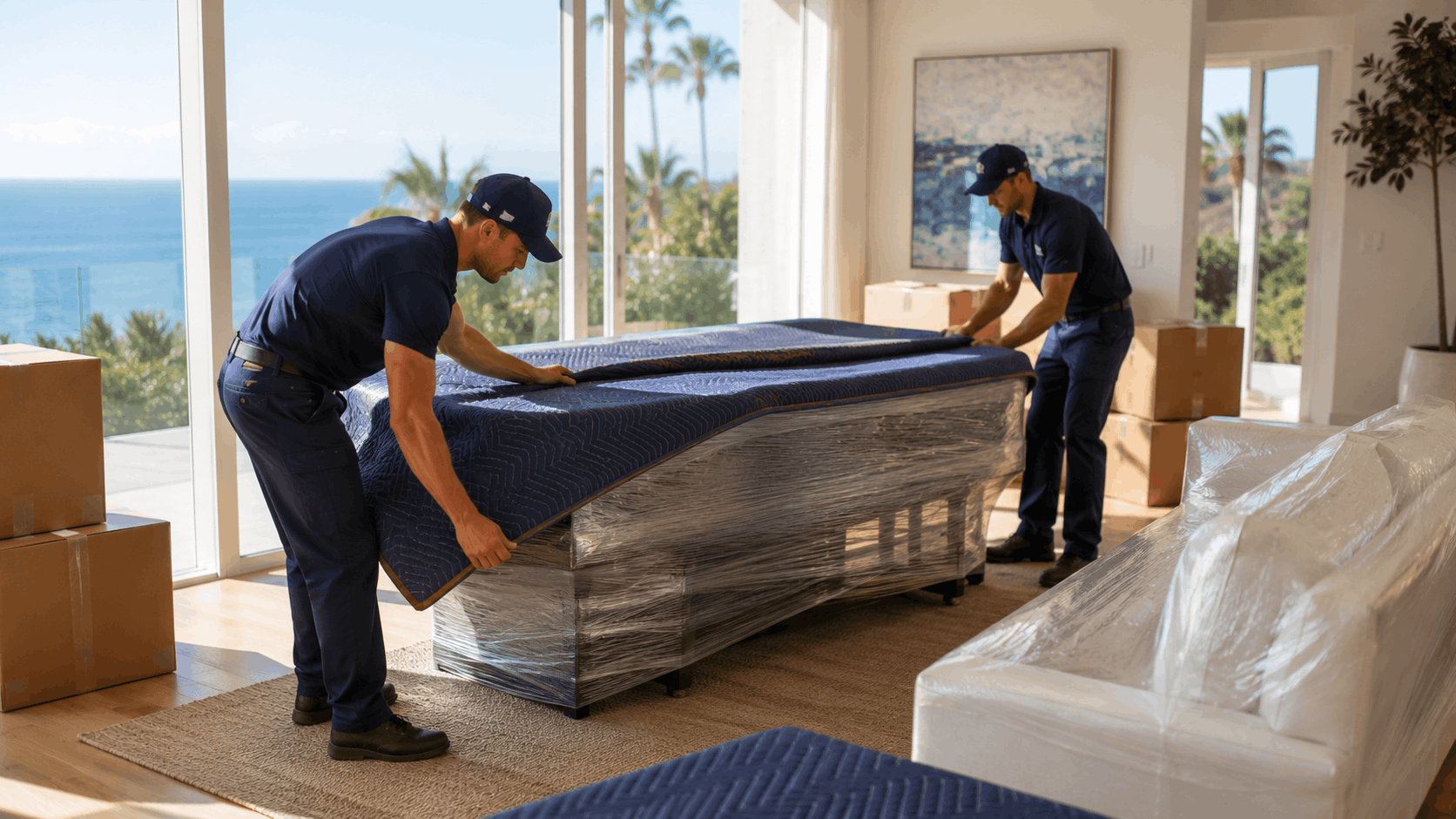
A real luxury relocation in this area asks for more crew, more material, and more lead time. Here is what sets these jobs apart:
- Properties often run several thousand square feet across multiple levels.
- Contents include fine art, antiques, and custom furniture that needs special care.
- Owners expect quiet, low-profile service that respects the neighborhood.
- Access points like gates, long driveways, and tree canopies shape the whole plan.
An estate move done right starts with respect for the home and the people in it. The details below show why the standard playbook does not fit these blocks.
Larger Lots and Multi-Story Layouts
The homes between Montana Avenue and San Vicente Boulevard sit on bigger lots than most of Santa Monica. Many run two or three stories, with finished basements and detached guest houses behind the main structure. Each level adds carrying time, more stair work, and more coordination for the crew.
A multi-story home also means furniture has to travel down staircases that were built for looks, not for hauling armoires. We map every staircase, landing, and doorway during the walkthrough so nobody gets stuck halfway with a heavy dresser. Tight turns near the top of a stairwell often decide whether a piece goes down the stairs or out a window with a hoist.
Homes near San Vicente Boulevard frequently have separate wings, pool houses, and home offices that owners forget to mention at first. Those extra spaces hold real volume, from gym equipment to filing systems to spare furniture. We account for all of it so the truck count and crew size match the actual job.
For larger residences, our local residential moving team plans the order of rooms in advance. We clear the upper floors and guest house early, then work down to the main living areas. That sequence keeps pathways open and shortens the day.
High-Value Furnishings and Art
Homes north of Montana tend to hold things that cannot simply be replaced. We regularly handle oil paintings, marble sculpture, gilded mirrors, and one-of-a-kind antique furniture passed down through generations. These items set the pace for the entire move.
Fine art moving calls for more than a furniture pad and good intentions. Large canvases get corner protectors, glassine over the surface, and a built crate sized to the frame. We photograph each piece before it goes in so its condition is documented from the start.
Custom crating matters most for the awkward pieces, like a seven-foot mirror or a stone-topped console table. A crate built to the exact dimensions stops shifting and absorbs the bumps of transport. Off-the-shelf boxes never give that kind of protection.
Our crews treat a client's collection the way a gallery treats its inventory. Each item is wrapped, labeled, and loaded in a planned spot inside the truck. You can see how we approach delicate, high-value pieces on our specialty moving page.
Privacy and Discretion Expectations
Residents in this part of Santa Monica value their quiet. Many do not want a row of moving trucks announcing to the block that they are leaving or arriving. A good crew reads that and works accordingly.
Discreet moving means uniformed movers, clean trucks, and a team that keeps the noise down. We avoid shouting across the property, blasting music, or leaving debris on the curb. The goal is a move the neighbors barely notice.
Some clients ask us not to display large signage or company branding during a job. We accommodate that whenever it makes sense for the property and the timing. Our private estate service is built around being present but low-profile.
Discretion also covers what we see inside the home. Our staff is trained to keep client details private, from the contents of a wine cellar to the layout of a safe room. Trust is part of the job in these neighborhoods.
Get Your Free Quote
Tell us about your move and we'll get back to you fast.
Coastal Conditions That Affect Your Move
People love the air north of Montana, but that same ocean breeze works against your belongings during a move. We have learned the hard way how fast the marine layer and salt can affect wood, metal, and electronics. Coastal moving here is a race against moisture and timing.
The Pacific sits just a few blocks west, and the weather changes by the hour. A bright afternoon can follow a gray, damp morning that left every surface slightly wet. Smart packing accounts for all of it.
Morning Fog and Moisture Control
The marine layer rolls in off the Pacific most mornings, especially from May through July. By 7 a.m. the driveways near 7th Street can feel damp to the touch. Loading wood furniture or cardboard in that air invites trouble.
Moisture seeps into unsealed wood and can swell joints or lift veneer over time. Paper goods, books, and documents soak up humidity even faster. We use plastic wrap, moisture barriers, and sealed containers for anything that reacts to damp air.
Electronics are the bigger worry during a foggy load. Condensation inside a TV or receiver can cause real damage. Our team lets sensitive gear acclimate and wraps it in anti-static, moisture-resistant material before it ever reaches the truck.
Timing helps too. When the forecast calls for a heavy marine layer, we schedule fragile and wood items for later in the day once the sun burns off the damp. That small choice protects the most sensitive pieces in the home.
Salt Air and Metal Surfaces
Living this close to the ocean means salt is always in the air. That salt speeds up corrosion on metal far faster than it would a few miles inland. Owners near the bluffs often notice it on outdoor fixtures and hardware.
Salt air corrosion can attack the metal feet of furniture, brass hardware, stainless appliances, and tool collections. Even a short load on a humid morning leaves a film of salt that promotes rust. Wrapping each metal surface blocks that contact.
For metal protection, we use clean pads and plastic over chrome, brass, and stainless pieces. Outdoor furniture and grills get extra attention since they already carry salt residue. We wipe them down before wrapping to slow any further corrosion.
Specialty items like exercise machines, safes, and metal sculpture also need this care. These pieces are heavy and hard to refinish, so prevention beats repair. Our crews treat metal goods as carefully as the art when conditions call for it.
Seasonal Timing Near the Beach
Timing a move near the coast is half the battle. Summer brings tourist traffic that clogs Ocean Avenue and the Pacific Coast Highway from morning to night. A truck stuck in that crawl burns hours you are paying for.
We plan estate moves to avoid the worst of the beach traffic. That often means early starts and routes that skip the most congested stretches near the pier. Local knowledge here saves real money and time.
Winter brings a different challenge with the rains. A wet driveway or muddy yard complicates loading and risks slips. We watch the forecast closely and adjust the plan when storms move in off the water.
Seasonal scheduling also affects availability. Summer and the end of every month book up fast across Santa Monica. Reaching out early gives you the dates and crew size you actually want.

Need Help in Los Angeles?
Popeye Moving & Storage serves Los Angeles and all of Los Angeles County.
Driving and Parking Challenges in the Neighborhood
Getting a truck in and out of these streets is its own project. The blocks north of Montana were laid out long before anyone imagined a 26-foot moving van. Truck access takes planning, the right vehicle, and sometimes a city permit.
We have driven nearly every street in this area, so we know where a full-size truck fits and where it does not. The notes below cover the real obstacles on these Santa Monica streets.
Narrow Streets and Tree Canopies
Streets like 7th and Alta Avenue are beautiful and tight. Mature trees form a canopy that hangs low over the road, and parked cars line both sides on many blocks. A large truck has to thread through with inches to spare.
Low branches are a real hazard for tall trucks. We scout the route ahead of time and pick a vehicle height that clears the canopy. When branches are too low, we stage the truck on a wider cross street and shuttle items with a smaller vehicle.
Parked cars make these narrow streets even harder. A single van left in the wrong spot can block a truck from reaching the driveway. That is why we coordinate curb space before move day rather than hoping for an open stretch.
Careful positioning protects the property too. Backing a large truck up a tight street near a stone wall or a neighbor's hedge takes a spotter and patience. Our crews move slowly here because one rushed turn can cause real damage.
City Parking and Permit Rules
Santa Monica regulates curb space tightly, and that affects most large moves. For a full estate job, we usually arrange a temporary moving permit to reserve space directly in front of the home. Without it, the truck may sit a block away.
The city issues no-park signage for approved moving dates through its permit process. We handle that paperwork and post the signs at the required lead time. The City of Santa Monica publishes its rules on the official city website for residents who want the details.
Santa Monica parking enforcement is active, so cutting corners is not worth the risk. A ticketed or towed truck can derail an entire move day. Doing the permit right keeps the schedule on track.
We factor permit timing into the plan from the first call. Some permits need to be filed several business days ahead. The earlier we know your date, the smoother the curb reservation goes.
Routes In and Out of the Area
Smart routing keeps a move moving. We use Montana Avenue and San Vicente as the main arteries in and out of the neighborhood. Both handle a truck better than the tighter residential blocks.
For longer hauls, we connect to the I-10 freeway to reach the warehouse or a second home across town. Knowing the on-ramps that avoid the beach crowds matters during summer. The wrong turn toward Ocean Avenue can cost an hour in season.
Tight intersections and one-way segments shape the route too. Some corners simply cannot handle a wide turn with a long truck. We plan a path that keeps the vehicle on streets built for its size.
This routing knowledge comes from working the area for years. Whether the destination is across Santa Monica or out to Malibu up the coast, the path is mapped before the truck leaves the yard.
Long Driveways and Gated Entries
Many estates north of Montana sit behind gates with long, sometimes steep driveways. A gated estate adds steps that a curbside move never deals with. We sort out access well before the crew arrives.
Gate codes and remote openers need to be confirmed ahead of time. Nothing wastes a morning like a crew stuck outside a closed gate. We collect codes during planning and assign someone to manage entry on the day.
Steep or long driveway access changes how we stage the load. A truck may not fit up the drive, so we shuttle items between the house and a staged vehicle near the street. That keeps the load moving without risking the truck on a tight incline.
We also protect the driveway surface itself. Pavers, stamped concrete, and stone aprons scratch easily under heavy equipment. Mats and careful routing of dollies keep the entry looking the way it did before we arrived.
Packing and Crating for Fragile and Valuable Items
Most of the worry in an estate move comes down to a handful of irreplaceable items. The right materials and methods make the difference between a safe arrival and a heartbreaking loss. Our fragile packing approach is built for the specific contents of coastal homes.
We bring the same care to a single heirloom as we do to a full packing and crating job. Below are the items that need the most attention and how we handle each one.
Custom Wood Crates for Art and Mirrors
Paintings, large mirrors, and sculpture do not travel safely in standard boxes. We build wood crates sized to each piece, with internal bracing that holds it still. A snug crate stops the shifting that causes most damage in transit.
For framed art, we layer glassine, foam corners, and a rigid panel before the crate goes on. The surface never touches anything abrasive. Larger canvases get a floating mount inside the crate so road vibration does not reach the frame.
Mirror packing follows a similar method. Glass gets taped in a pattern that contains shards if the worst happens, then padded and crated upright. Mirrors ride on edge, never flat, to reduce the chance of cracking.
Sculpture and three-dimensional art handling often calls for custom foam cradles cut to the shape of the piece. Marble and bronze are heavy and brittle in the wrong spots. A made-to-fit crate carries the weight where the piece can take it.
Wine Collections and Climate-Sensitive Goods
Plenty of homes north of Montana keep serious wine cellars. Wine collection moving is delicate work because heat and motion both threaten the bottles. We use insulated wine cases that hold each bottle steady and shaded.
Temperature swings are the enemy for wine. A bottle left in a hot truck for hours can cook, ruining years of cellaring. We keep wine in climate-sensitive items handling, loaded last and unloaded first, and moved in conditioned space when the collection warrants it.
Musical instruments fall in the same category. Pianos, string instruments, and woodwinds react to humidity and rough handling. We pad, wrap, and brace each one so the climate and the road do not throw it out of tune or worse.
Other sensitive goods include certain medications, candles, vinyl records, and some electronics. We flag these during the walkthrough and plan their loading carefully. The aim is a steady, controlled environment from door to door.
Electronics and Home Theater Systems
Estate homes often hold elaborate home theater and audio setups. Electronics packing starts with documentation, not boxes. We photograph the back of every component so the wiring can be rebuilt exactly at the new home.
Each cable gets labeled at both ends before anything is unplugged. That single step saves hours during setup and avoids guesswork. Owners appreciate seeing the system come back exactly as it was.
Flat screens travel in dedicated TV cartons or custom crates with foam edges. A 75-inch panel is more fragile than it looks, and pressure on the screen cracks it instantly. We pack these upright and secure them so nothing leans against the glass.
For a full home theater, we keep components, mounts, and remotes grouped together and clearly marked. Receivers and projectors get extra padding against the coastal moisture mentioned earlier. The goal is a system that powers on and works the day it arrives.

Storage Options for Coastal Estate Moves
Estate moves rarely line up perfectly. A new home may still be in renovation, or closing dates may not match. Secure storage bridges that gap and protects belongings until the home is ready.
Our storage solutions are built for the kind of contents found in these homes. Here is a quick look at the options and when each one fits.
| Storage Type | Best For | Typical Use |
|---|---|---|
| Short-Term | Furniture during renovation | Weeks to a few months |
| Climate-Controlled | Art, wood, electronics | Any length near the coast |
| Vaulted | High-value, long-term items | Months to years |
| Inventory-Tracked | Large collections | When access matters |
Short-Term Storage During Renovations
Many families north of Montana remodel or repaint a new home before moving in. Short-term storage holds the furnishings safely while that work finishes. It keeps the contents out of the dust and away from paint fumes.
A renovation move often runs longer than planned. Storage gives flexibility when a contractor's timeline slips by a few weeks. You are not forced to live around stacked boxes in a half-finished house.
We coordinate delivery from storage once the home is ready. Items come out in the order that makes setup easiest. That turns a stressful gap into a manageable two-step process.
Short-term storage also helps during staging or a sale. Clearing rooms while keeping the contents nearby is simple when storage is part of the plan. We handle both the move out and the eventual delivery.
Climate-Controlled Units for Sensitive Items
The coastal humidity that affects loading also affects storage. Climate-controlled storage holds temperature and humidity steady, which protects the items that react to damp air. For art, fine wood, and electronics, this is the right choice near the ocean.
Without climate control, a wood table stored through a damp season can warp or develop mold. Humidity protection stops that before it starts. Leather, paper, and instruments benefit just as much.
Electronics stored in stable conditions avoid condensation damage. A home theater system parked for months in a regular unit risks corrosion on the contacts. Conditioned space keeps that gear ready to use.
For the most valuable pieces, our vaulted storage adds another layer of protection. Items go into sealed wooden vaults that limit handling and exposure. It is the standard for long-term care of art and antiques.
Inventory Tracking and Access
A large collection needs a real catalog, not a memory. We use inventory tracking so every crate and item is logged with a number and description. Owners always know what is in storage and where.
Photographs accompany the inventory for high-value pieces. That record helps with insurance and makes retrieval simple. You can ask for a specific painting or chair without unpacking the whole unit.
Storage access is arranged in advance so owners can retrieve items when needed. If you want a single piece pulled and delivered, we schedule that without disturbing the rest. The system stays organized through the entire storage period.
For designers and clients receiving multiple deliveries, our designer receiving and consolidation service gathers items in one place. Everything is inspected, logged, and held until the home is ready. Then it all arrives together in a single coordinated delivery.
Need Help in Los Angeles?
Popeye Moving & Storage serves Los Angeles and all of Los Angeles County.
Working With HOAs, Building Rules, and Local Permits
Even single-family estates come with rules that shape a move. The city has permit and noise regulations, and some properties answer to associations or estate managers. Knowing the HOA rules and city permits ahead of time keeps the day smooth.
We deal with these regulations regularly across Santa Monica. The notes below cover the move-in regulations most owners run into north of Montana.
Santa Monica Permit Process
For larger moves, reserving curb space through the city is the safest path. The Santa Monica permit process lets us post no-park signs and hold the spot in front of the home. That guarantees the truck a place to work.
We file the application with the required lead time and post signage as the city directs. Reserving curb space avoids the scramble of finding parking on a busy block. It also keeps the truck close, which shortens the carry.
The permit cost is small compared to the time it saves. A truck parked a block away adds hours of walking to and from the home. We treat the permit as a standard part of planning, not an afterthought.
Industry guidance from the American Trucking Associations Moving and Storage Conference reinforces planning curb access early. We build that into every estate move from the first conversation. The result is a truck that is ready to load when the crew arrives.
Noise and Time Window Restrictions
Santa Monica enforces quiet hours, and the neighborhoods north of Montana take them seriously. Noise rules generally limit loud work to daytime hours. We schedule moves to stay within those windows.
Most estate moves here run during standard daytime time windows to respect both the law and the neighbors. Starting at a reasonable hour and keeping noise down matters in these quiet blocks. We keep equipment and conversation low-key throughout.
For very large jobs, we plan the loudest tasks for mid-morning. That avoids early disturbances while still giving the crew a full day. The schedule is built around the rules, not against them.
Respecting these limits also protects the client's standing in the neighborhood. A disruptive move leaves a bad impression that lingers. We work to make sure the only thing neighbors remember is how smooth it looked.
Coordinating With Property Managers
Many estates have a property manager or estate staff who control access and oversee the home. We coordinate directly with them to plan entry, parking, and protection. That partnership keeps everyone informed.
Managers often know details the owner overlooks, like a sensitive floor or a gate that sticks. We gather that information early and plan around it. Good communication prevents surprises on move day.
Floor protection is a standing requirement in these homes. Hardwood, marble, and custom tile scratch easily under foot traffic and dollies. We lay runners, corner guards, and door jamb protectors before any heavy item moves.
Walls and banisters get protection too. Tight stairwells and doorways take the most abuse during a move. Padding those edges keeps the home in the condition the owner and manager expect.
What to Expect From Popeye Moving & Storage Co.
Hiring a crew for an estate move should feel reassuring, not uncertain. Our moving process is built to remove the guesswork from start to finish. As experienced Los Angeles movers, we walk each client through every step.
From the first call to the final piece placed, Popeye Moving & Storage handles the details. Here is how a typical estate move unfolds.
The In-Home Walkthrough and Estimate
Every accurate quote starts with an in-home estimate. We visit the property to see the contents, measure access points, and note the staircases, gates, and driveway. A move this size cannot be quoted sight unseen.
During the walkthrough we identify items that need crating or special handling. Art, pianos, wine, and electronics all get flagged. That detail lets us bring the right materials and crew size.
We also map the truck position, parking needs, and any permit requirements. Move planning happens here, not on the morning of the job. The plan you receive reflects the real property, not a generic template.
The estimate then lays out crew size, hours, materials, and any storage. You see what drives the cost and where you can adjust. There are no vague numbers that balloon on move day.
Move Day Crew and Coordination
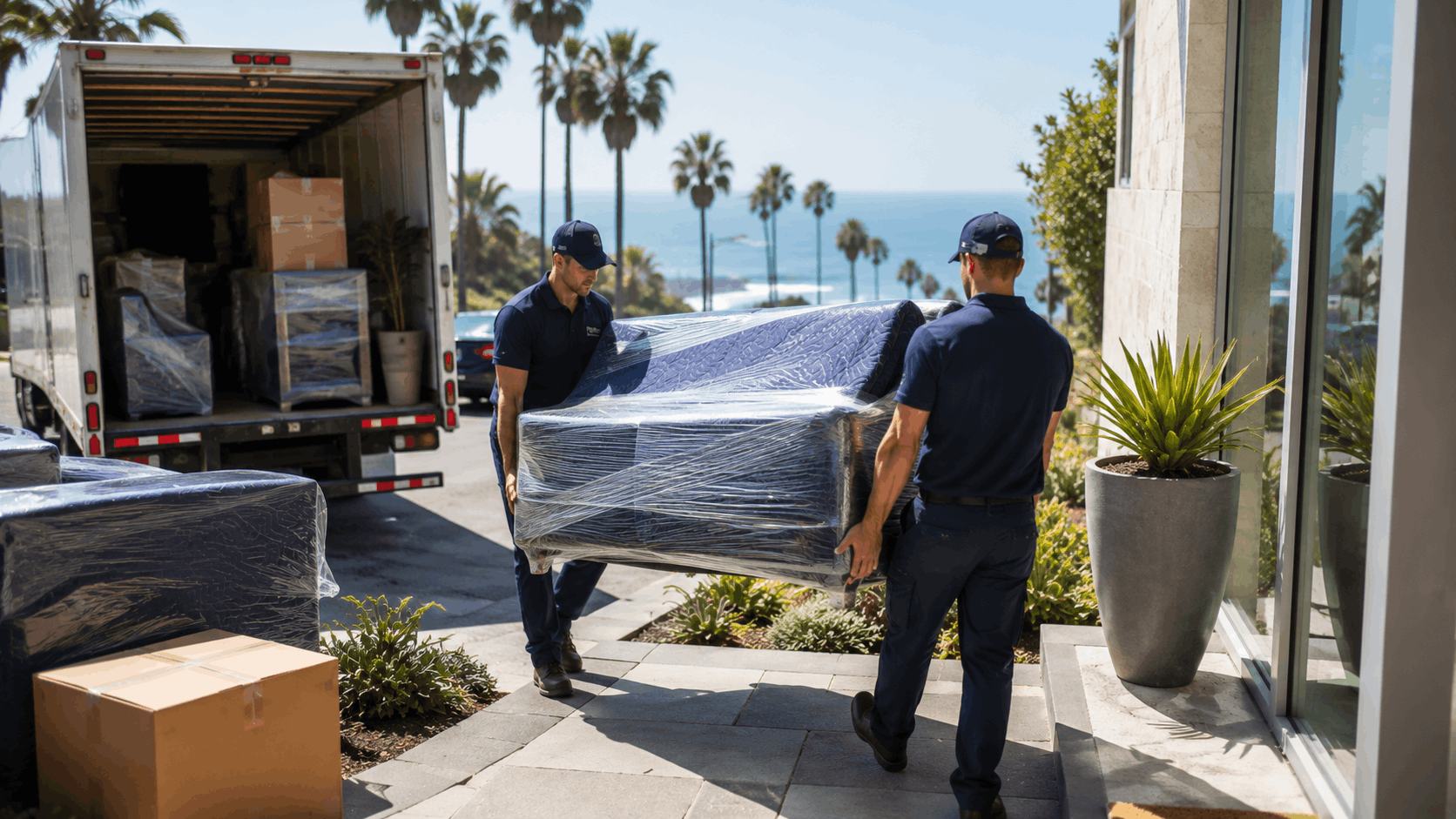
On move day, the crew size matches the home. A large estate may bring six to ten movers plus a lead coordinator. That coordinator runs the day and is your single point of contact.
The lead assigns rooms, manages the loading order, and keeps the pace steady. A well-run moving crew works in zones so paths stay clear. That organization is what separates a smooth estate move from a chaotic one.
We protect the home first, then work room by room according to the plan. Fragile and high-value items get loaded with extra care and documentation. The coordinator checks each space as it is cleared.
Communication continues throughout the day. If anything changes, like a delayed gate access or weather shift, the coordinator adjusts. You always know where things stand.
Unpacking and Furniture Placement
The job is not done when the truck is empty. Our unpacking service sets up the new home the way you want it. Furniture goes exactly where you direct.
Furniture placement means we position beds, sofas, and large pieces before we leave. You should not be pushing an armoire across the room after we go. We place it right the first time.
For full-service clients, we unpack boxes and put items away by room. Kitchens, closets, and offices come together quickly with a crew handling the work. The home becomes livable on day one.
We also remove the packing debris afterward. Boxes, paper, and crates leave with us so you are not buried in cardboard. The home is ready to enjoy, not cleaned up around.
Need Help in Los Angeles?
Popeye Moving & Storage serves Los Angeles and all of Los Angeles County.
How to Prepare Your Estate for Moving Day
The smoothest moves share one thing: an owner who prepared well. There are tasks you control and tasks the crew handles, and knowing the split helps. This moving checklist covers your part of the move preparation.
These estate move tips come from years of working homes north of Montana. A little prep on your end saves hours and stress on move day.
Sorting and Decluttering Early
Start sorting six to eight weeks before the move. Decide what goes to the new home, what goes to storage, and what you will declutter. The earlier you start, the fewer rushed decisions you make.
Estates accumulate decades of belongings, and not all of it needs to travel. Moving fewer items lowers the cost and the time. A focused sort pays off directly on your final bill.
Set aside items for donation as you go. Furniture, clothing, and household goods can go to local charities that pick up. That clears space and supports the community at the same time.
Keep a small pile for items you are unsure about. Revisit it once near the end rather than agonizing over each piece early. This keeps the sorting moving without stalling on tough calls.
Documenting High-Value Items
Before anything is packed, document your valuables. Photograph each piece of art, antique, and important item from multiple angles. This item documentation protects you and helps the crew know what needs care.
Build a valuables list with descriptions and, where known, values. This record matters for insurance and for tracking items through storage. It also gives you a clear inventory to check against at the new home.
Note any existing damage on each piece. A small chip or scratch recorded ahead of time avoids confusion later. Photos with dates make this simple.
Share the list with our coordinator during planning. Knowing your highest-value items lets us assign the right materials and handling. Documentation turns a worry into a managed task.
Clearing Access and Notifying Neighbors
On move day, clear the path for the crew. Pull cars out of the driveway and remove obstacles from walkways and stairs. Open access clearing lets the crew work fast and safely.
Notify neighbors on streets like Georgina Avenue or Marguerita a few days ahead. A heads-up about a truck and crew is a courtesy these blocks appreciate. It also reduces the chance of cars blocking the curb space.
Confirm gate codes and prop open any gates the crew will use. A working gate code on the day prevents a costly delay. Assign someone to manage entry if access is complicated.
Set aside a parking spot for the truck where the permit applies. If we filed for curb space, make sure the no-park signs are visible and respected. These small steps keep the morning on schedule.

Final Thoughts
Moving an estate north of Montana is a different kind of job, and it rewards a crew that knows the territory. The big homes, fine contents, coastal air, and tight streets all demand a plan built for this exact area. Generic moving simply does not fit these blocks.
We have spent years learning how the marine layer, the narrow canopies on Alta, and the permit rules shape a successful move here. That local experience protects your belongings and your time. From custom crating to climate-controlled storage, the right approach makes the difference.
When you are ready to plan your move, our team is here to help. Reach out through our contact page or call to schedule an in-home walkthrough. Let our crew handle the details so you can focus on your new home. See more about our Santa Monica moving services and how we serve coastal estates.
Frequently Asked Questions
- How much does an estate move north of Montana cost?
- Estate moves in this area typically range from a few thousand dollars to well into five figures, depending on home size, item count, and special handling. Custom crating, art, pianos, wine, and storage all add to the total. A multi-story home with high-value contents costs more than a smaller residence. We provide an exact quote after an in-home walkthrough so the numbers reflect your property.
- How far in advance should I book my move?
- We recommend booking four to six weeks ahead for a standard estate move. For summer dates or the end of any month, give yourself six to eight weeks since those slots fill quickly across Santa Monica. Early booking also allows time to file parking permits and plan curb space. The sooner you reach out, the more flexibility you have with dates and crew size.
- Do you provide packing and crating, or just transport?
- We offer the full range, from labor-only loading to complete pack, crate, move, and unpack service. For estate homes, most clients choose full-service packing with custom crating for art, mirrors, and fragile pieces. We can also handle just the specialty crating while you pack the rest. The choice is yours, and we build the quote around what you need.
- How do you protect fine art and antiques near the coast?
- We build custom wood crates sized to each piece, with internal bracing and protective layers like glassine and foam corners. For coastal conditions, we add moisture barriers and time fragile loading to avoid the heavy marine layer. Metal and wood get wrapped against salt air and humidity. Each high-value item is photographed and documented before it moves.
- Can a large truck fit on the narrow streets in this area?
- It depends on the street and the tree canopy. We scout the route ahead of time and choose a truck size that clears low branches and parked cars. On the tightest blocks near Alta or 7th, we stage the truck on a wider street and shuttle items with a smaller vehicle. Access is always assessed during the walkthrough.
- Do I need a city parking permit for my move?
- For most larger estate moves, yes. Santa Monica requires a permit to reserve curb space and post no-park signs in front of the home. We handle the application and signage as part of planning. The permit keeps the truck close and avoids tickets or towing, which protects your schedule and budget.
- What happens if my new home is not ready yet?
- We offer short-term and climate-controlled storage for exactly this situation. If your closing slips or a renovation runs long, your belongings stay safe in our facility. For art, wood, and electronics, climate-controlled or vaulted storage protects against coastal humidity. When the home is ready, we deliver everything in the order that makes setup easiest.
- Are my belongings insured during the move?
- We offer valuation coverage options, and high-value items can receive additional protection. During the walkthrough, we discuss the right coverage for your art, antiques, and collections. Documenting and photographing valuables ahead of time supports any claim. We are happy to walk you through the options so you understand exactly how your belongings are covered.
- How long does a full estate move usually take?
- A full estate move often runs one to three days depending on home size and contents. A large multi-story home with a guest house and extensive crating takes longer than a single-level residence. Crew size affects the pace as well. Factors like tight access, long driveways, and weather can extend the day, which we plan for in advance.
- Do you move wine collections and pianos?
- Yes, both are part of our specialty handling. Wine travels in insulated cases and is loaded last and unloaded first, with conditioned space for larger collections. Pianos get padded, braced, and moved by crew trained for the weight and balance. You can learn more about our piano moving service for the details on how we handle these delicate large items.
P
Popeye Moving & Storage Co. Team Team
Licensed moving and storage professionals serving Los Angeles and Los Angeles County.
Licensed in California · License #CAL T 189749 | USDOT 1472924 | MC 498816C
Why trust Popeye Moving & Storage?
Founded in 1994, Popeye Moving & Storage is a licensed and insured moving and storage service serving Los Angeles and Los Angeles County. All content is reviewed by our licensed technicians.

Need Help in Los Angeles?
Popeye Moving & Storage serves Los Angeles and all of Los Angeles County.
Related Articles
How-To Guides
Bel Air Movers: Gated Community Logistics and Custom Estate Service
A local expert guide to moving in Bel Air, covering gated entry logistics, canyon road challenges, estate handling, storage, and how to choose the right movers.
Cost Guides
Movers in Beverly Hills: COI Requirements and Estate Move Pricing
A local guide to COI requirements and estate move pricing in Beverly Hills, covering insurance limits, high-value item handling, and move day planning from Popeye Moving.
How-To Guides
Moving to Santa Monica: Parking Rules, Street Restrictions, and Building Access
Everything new Santa Monica residents need to know about permit parking zones, moving truck restrictions, building elevator rules, and city permits before moving day.