How-To Guides
Hermosa Beach Movers: Narrow Street and Walk Street Access Issues
Key Takeaways
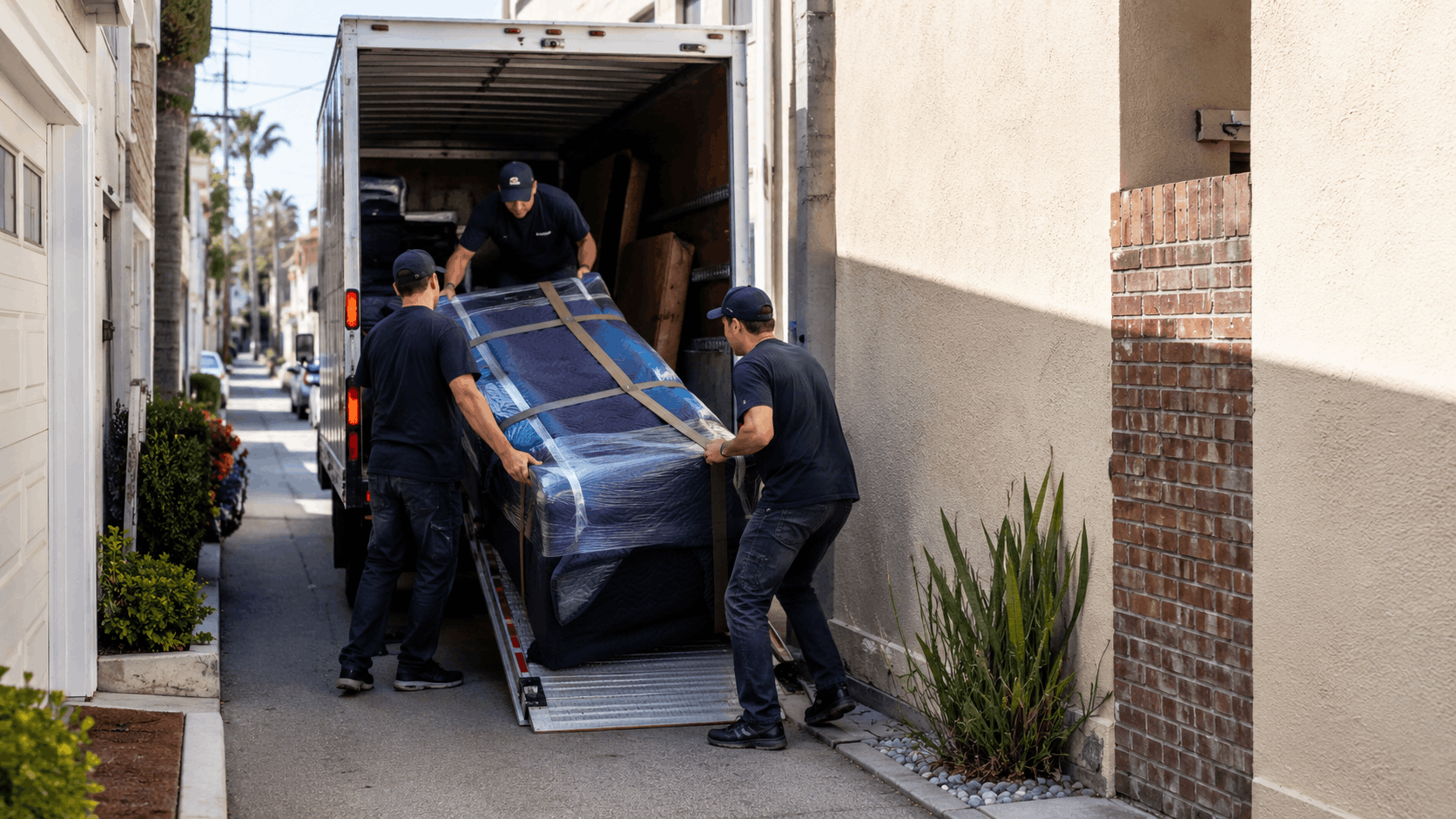
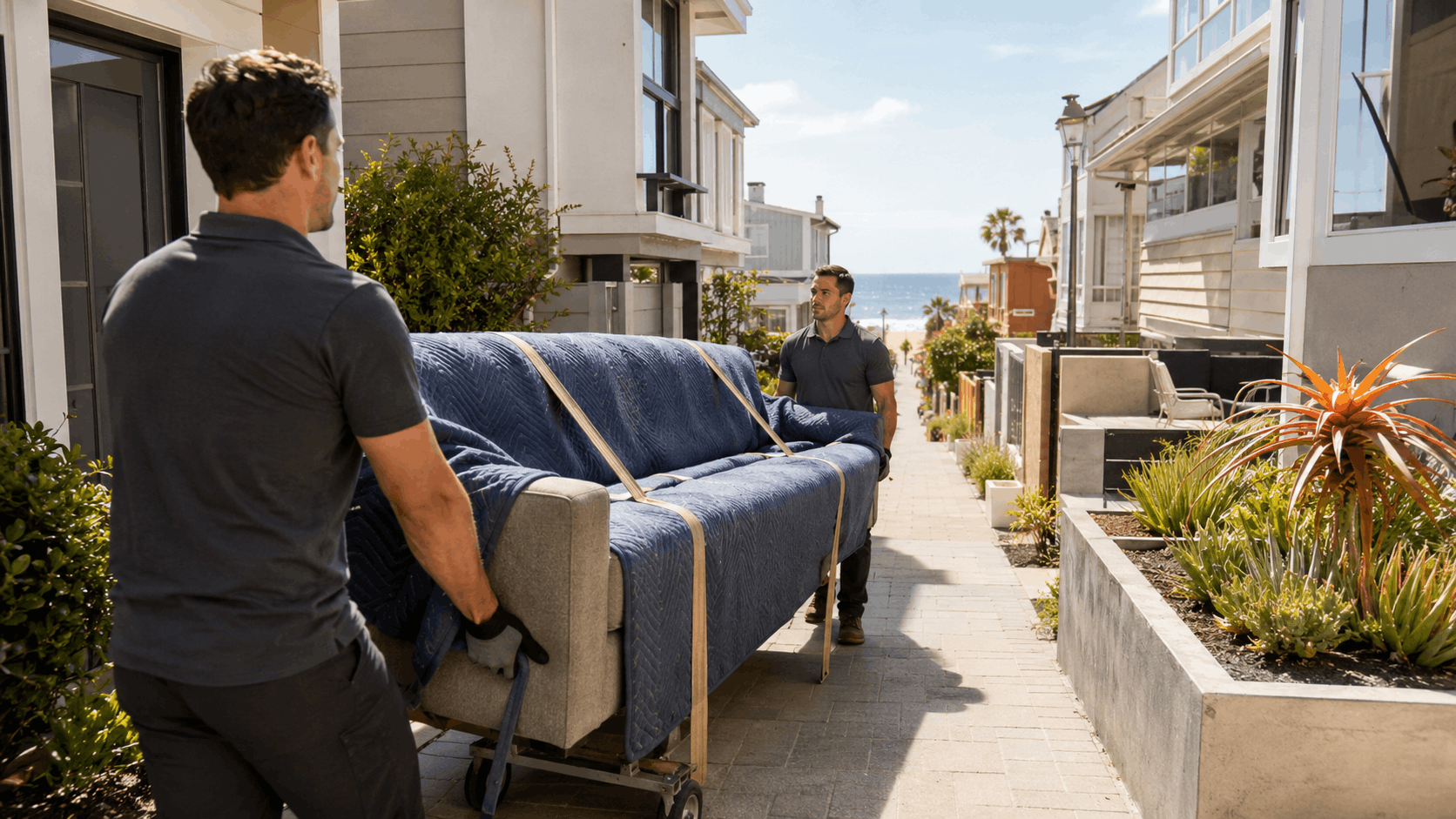
- Hermosa Beach walk streets are pedestrian-only lanes between The Strand and Hermosa Avenue, so trucks park on cross streets and items get carried in by hand.
- The sand section, south-end walk streets, and steep Hermosa Valley driveways are the toughest access zones, with carries running 75 to 200 feet.
- A smaller shuttle truck, heavy-duty dollies, ramps, and floor and wall protection keep tight moves rolling when full-size rigs cannot reach a home.
- Reserved no-parking signs, permit-district checks, and Public Works coordination are needed to legally stage a truck near the beach.
- Early weekday mornings beat summer crowds, Fiesta Hermosa closures, and damp marine-layer ramps for a smoother load.
- Clearing the path, disassembling furniture, notifying neighbors, and labeling boxes all cut labor time on hard-access moves.
- Long carries, shuttle trucks, and extra crew add to cost and timeline, which an honest on-site estimate captures accurately.
- Popeye Moving & Storage Co. scouts staging, handles permits, and quotes tough access jobs across every Hermosa Beach neighborhood.
In This Article
A 26-foot moving truck wedged sideways at the mouth of a Hermosa Beach walk street is a sight our crews have seen more times than we can count. The driver realizes too late that the lane ahead is for people and bikes, not box trucks. Meanwhile, a line of beach traffic builds behind them on Hermosa Avenue, and the clock on the move keeps ticking.
Moving in this little beach town is not like moving in most of Los Angeles. The walk streets, tight rear alleys, and steep grades toward Pacific Coast Highway turn an ordinary job into a puzzle. Knowing the layout before move day saves hours of labor and a lot of frustration.
Why Hermosa Beach Streets Make Moving Tricky
Hermosa Beach packs a lot of homes into about 1.4 square miles. The grid was laid out generations ago, long before anyone imagined full-size moving trucks rolling through. That history shows up in narrow streets, short blocks, and pedestrian-only lanes that simply do not exist in most inland neighborhoods.
For Hermosa Beach moving jobs, the trouble usually starts close to the water. The closer a home sits to the sand, the harder it is for a truck to get near the front door. Our crews plan every coastal move around that reality, and we have learned the hard way which spots demand a different approach.
What a Walk Street Actually Is
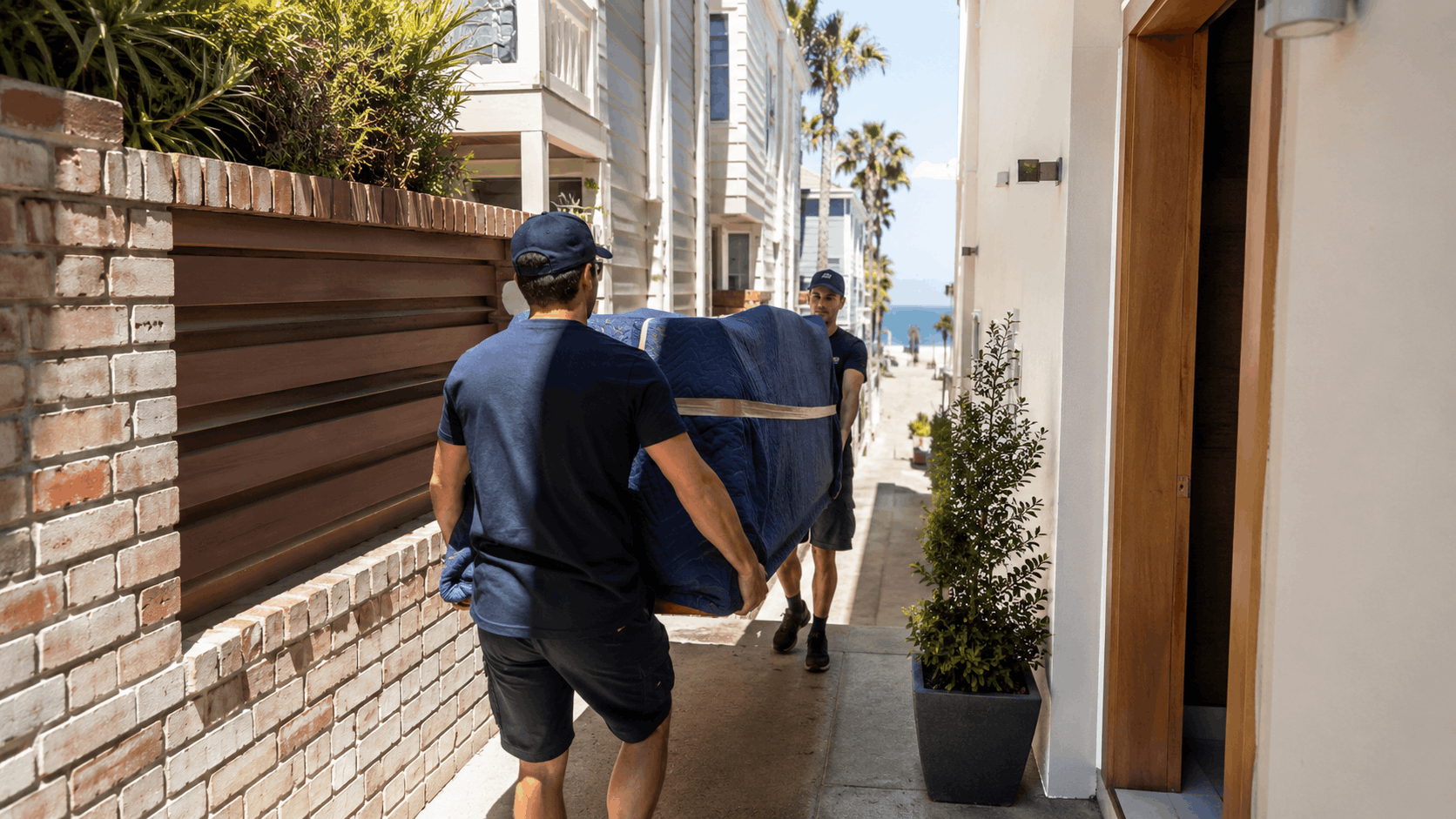
A walk street is exactly what it sounds like - a street you walk on, not drive on. These pedestrian-only lanes run between The Strand and Hermosa Avenue, and homes face them with front doors and gates instead of garages.
Think of them as wide sidewalks lined with houses on both sides. There is no curb, no driveway, and no place for a vehicle to pull up. A pedestrian path may be only eight to twelve feet wide, just enough for two people to pass with a couch between them.
For homeowners, walk streets are part of the charm. Kids ride bikes, neighbors chat, and there is no car noise. For movers, that same charm means every box, dresser, and mattress gets carried in by hand from a truck parked somewhere else.
We tell clients to picture the longest hallway in their house, then multiply it. That mental image helps explain why a walk street move takes planning that a normal driveway move never needs.
The Tight Alleys Behind Homes
Many Hermosa Beach homes have garages that open onto narrow rear alleys, especially near Monterey Boulevard. These alleys were built for compact cars from decades past, not modern trucks with side mirrors and tall box bodies.
Garage access through a rear alley can be a blessing or a headache. When the alley is clear, a smaller truck can sometimes back right up to the garage door. When a neighbor parks too close or trash bins sit out, that access vanishes fast.
Our drivers scout these alleys before committing a truck to them. A tight turn that looks fine on a map can dead-end at a power pole or a sharp corner that no 26-foot rig will clear. We measure clearance in inches, not guesses.
When a rear alley works, it shortens carry distance and speeds the whole job. When it does not, we shift to a shuttle plan rather than risk scraping a fence or blocking a neighbor's only way out.
Parking Density Near The Strand
Curb space near The Strand and along Hermosa Avenue fills up early and stays full. Residents, beachgoers, and delivery vans all compete for the same handful of spots, and street parking near 22nd Street can be brutal on a sunny afternoon.
A moving truck needs a long, clear stretch of curb to stage safely. Finding 40 feet of open space near the beach is rare without planning ahead. We often arrive before dawn to claim a spot before the crowds wake up.
When no curb is available, the truck has to stage farther away, which adds carry distance and time. That is why we map parking options the same way we map the route inside the home.
Posting no-parking notices ahead of time, which we cover later, is the single best way to guarantee curb space. Without it, even a great plan can fall apart when a beach visitor takes the only open spot.
How Hill Grades Add Difficulty
The land in Hermosa Beach rises from the sand up toward Pacific Coast Highway. That slope is gentle in spots and steep in others, and the hill grade changes how our crews load and run dollies.
Pushing a loaded furniture dolly uphill takes more hands and more care than rolling it across flat ground. Going downhill, the risk flips - a heavy piece can build momentum and become hard to control. Both directions create real loading challenges.
Our team adjusts crew size and pacing based on the grade. On a steep block near the upper streets, we may add a mover just to manage the dolly and keep loads steady on the ramp.
Wet mornings make grades worse, which we address in the timing section. For now, know that the slope alone is enough to change how a Hermosa Beach move is staffed and scheduled.
Get Your Free Quote
Tell us about your move and we'll get back to you fast.
Mapping the Toughest Access Zones in Town
Not every part of Hermosa Beach is equally hard to move into. Some Hermosa Beach neighborhoods flow easily while others rank among the most demanding access zones in the entire South Bay. Knowing which is which lets us quote and staff a job correctly.
Our crews have worked moves across the sand section, up in the valley, and east toward the highway. The table below sums up what each area means for your move, and the sections that follow add detail.
| Zone | Main Challenge | Typical Carry Distance | Truck Access |
|---|---|---|---|
| Walk Streets (2nd-8th) | Pedestrian-only lanes | 75-150 feet | Cross street only |
| Hermosa Valley | Steep driveways | 30-75 feet | Partial |
| Sand Section | No vehicle access | 100-200 feet | None direct |
| East Hermosa | Congested streets | 20-50 feet | Usually good |
The Walk Streets Between 2nd and 8th
The south end of town holds a dense cluster of walk streets between 2nd and 8th. South Hermosa is beautiful, quiet, and among the hardest places in the city to bring a truck.
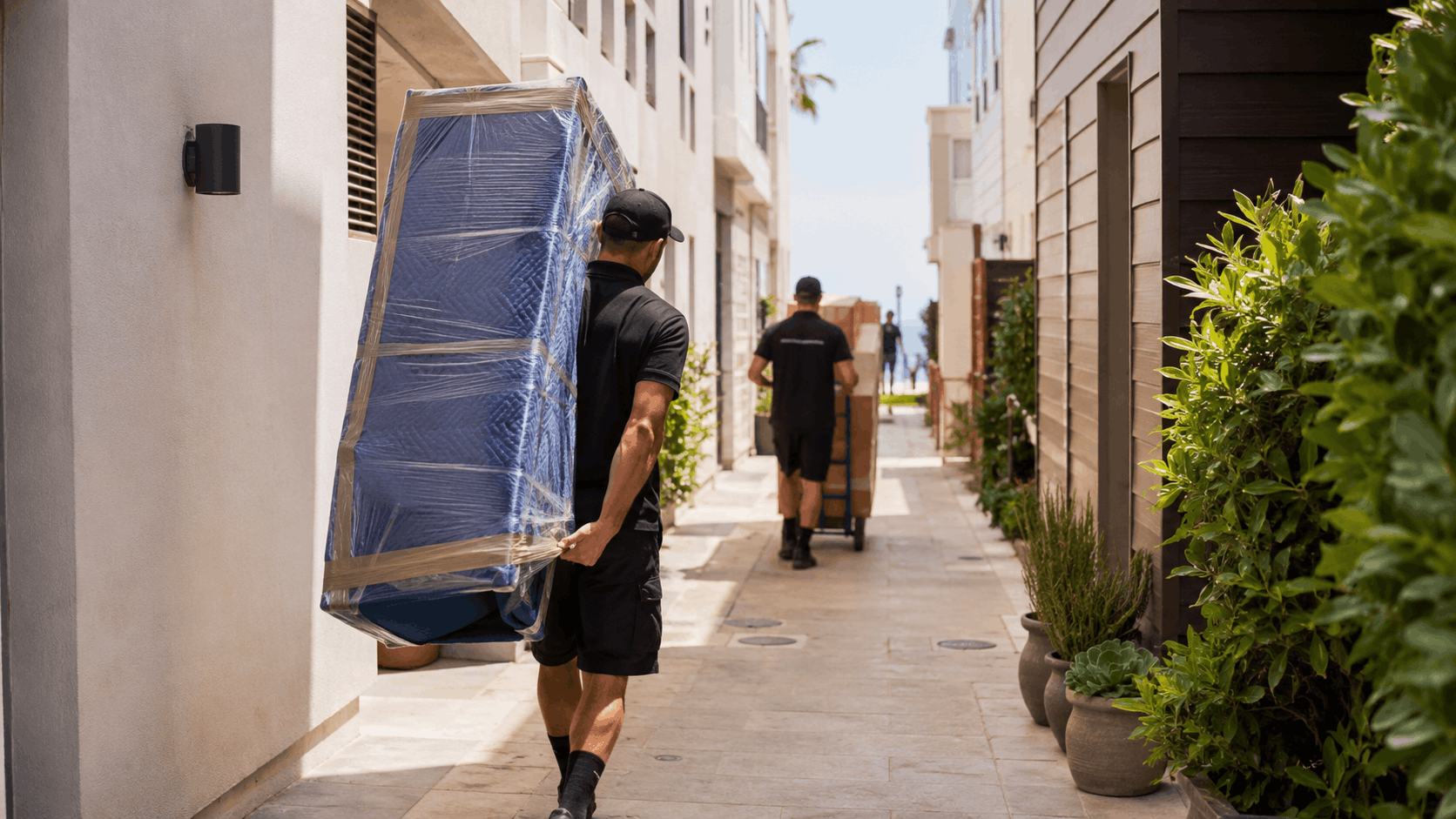
Homes here sit deep along pedestrian lanes, so carry distance can run from 75 to 150 feet each way. That means every trip from truck to door is a short walk, and a full house adds up to miles of walking for the crew.
We plan these moves around a staging point on the nearest cross street or on Hermosa Avenue. From there, dollies and hand trucks ferry items down the path in a steady relay. For larger moves in this area, our local residential moving crews bring extra hands so the carry never bottlenecks.
The payoff is worth it for residents who love walk street living. Our job is to make the carry smooth so the distance never turns into damaged furniture or a blown schedule.
Hermosa Valley and the Hillside Homes
Up away from the water, Hermosa Valley and the streets near Valley Drive and Prospect Avenue bring a different challenge. Here the issue is not pedestrian lanes but steep driveways and hillside lots.
A steep driveway can stop a heavy truck cold, especially in wet weather. Some homes sit well above the street with long stairways leading up to the front door, which turns a simple load into a stair-by-stair carry.
Our crews scout these driveways for grade and surface before move day. On a sharp incline, we may park on the street and carry up rather than risk a truck sliding or scraping its rear bumper on the apron.
Hillside homes also tend to have tight turns inside, so we pair the access plan with a furniture plan. Knowing both halves keeps a valley move from stalling halfway through.
The Sand Section Near The Strand
The sand section holds the priciest oceanfront homes in town, and ironically they are the hardest to reach. Properties right on The Strand have zero direct vehicle access - The Strand itself is a pedestrian and bike path.
For these oceanfront homes, every item gets carried from a truck parked back on Hermosa Avenue or a cross street. Carry distances of 100 to 200 feet are normal, sometimes through soft sand or down a public walkway.
We treat sand section moves as specialty jobs from the start. Larger or fragile pieces may need our specialty moving team and extra padding for the long haul across open ground.
Planning the relay carefully keeps these moves on schedule despite the distance. We stage gear, set a clear path, and rotate crew so nobody burns out on the carry.
East Hermosa Toward Pacific Coast Highway
East of the main beach grid, the streets near Pacific Coast Highway are a bit easier on movers. East Hermosa has more driveways, more parking, and fewer walk streets to work around.
That said, easier does not mean easy. Traffic on Pacific Coast Highway spills onto side streets, and curb space can still fill during busy hours. Staging a truck here takes timing even when the access is better.
Many homes in this area have standard driveways or garages, so carry distances drop to 20 to 50 feet. That alone can shave an hour or more off a move compared to a walk street job.
We still scout parking and check for permit zones before arriving. East Hermosa rewards good planning with a faster, smoother load than the sand-side neighborhoods.
Need Help in Los Angeles?
Popeye Moving & Storage serves Los Angeles and all of Los Angeles County.
Truck Size and Equipment That Fits These Streets
The right moving truck size and the right moving equipment make or break a Hermosa Beach move. When a full-size rig cannot reach a home, the wrong call wastes hours, while the right setup keeps the job rolling.
Our team carries a range of trucks and gear for exactly this reason. We match the equipment to the street, not the other way around, and that choice starts during the estimate.
When a Smaller Shuttle Truck Wins
For the tightest walk streets and alleys, a smaller shuttle truck often beats a big rig. A shuttle is a compact truck that ferries loads from the home to a larger truck staged at a transfer point nearby.
Here is how it works. The big truck parks on a wide street like Hermosa Avenue, and the shuttle makes short runs to and from the walk street home. Items load onto the shuttle, ride out to the transfer point, then move into the main truck.
This adds a step but saves far more time than carrying everything 150 feet by hand. On a tight south Hermosa block, a shuttle can cut total carry time in half.
We decide on a shuttle during the on-site estimate, not on move day. Booking it ahead means the right truck shows up and the crew is sized for the relay.
Dollies, Ramps, and Long Carries
Long carries call for the right rolling gear. Our crews use heavy-duty furniture dollies, four-wheel flat dollies, and appliance hand trucks built for a long carry over uneven ground.
On a 100-foot-plus walk street run, the right dolly turns a two-person lift into a smooth roll. Pneumatic wheels handle cracks and bumps in pedestrian paths far better than hard plastic casters.
Ramps matter too. A solid ramp from the truck bed lets the crew roll loads straight onto a dolly without lifting, which saves backs and speeds the line. We set ramps at safe angles even on sloped streets.
For very long carries, we stage rest points and rotate the crew so loads stay controlled. A steady relay beats a tired rush every time, especially across the sand section.
Protecting Floors and Walls in Narrow Spaces
Tight turns and narrow doorways are where damage happens if a crew is careless. Our team brings floor protection and wall guards to every Hermosa Beach job for that reason.
We lay floor runners and ram board over hardwood and tile, then pad door frames and tight corners. Corner guards protect both your walls and the furniture squeezing past them.
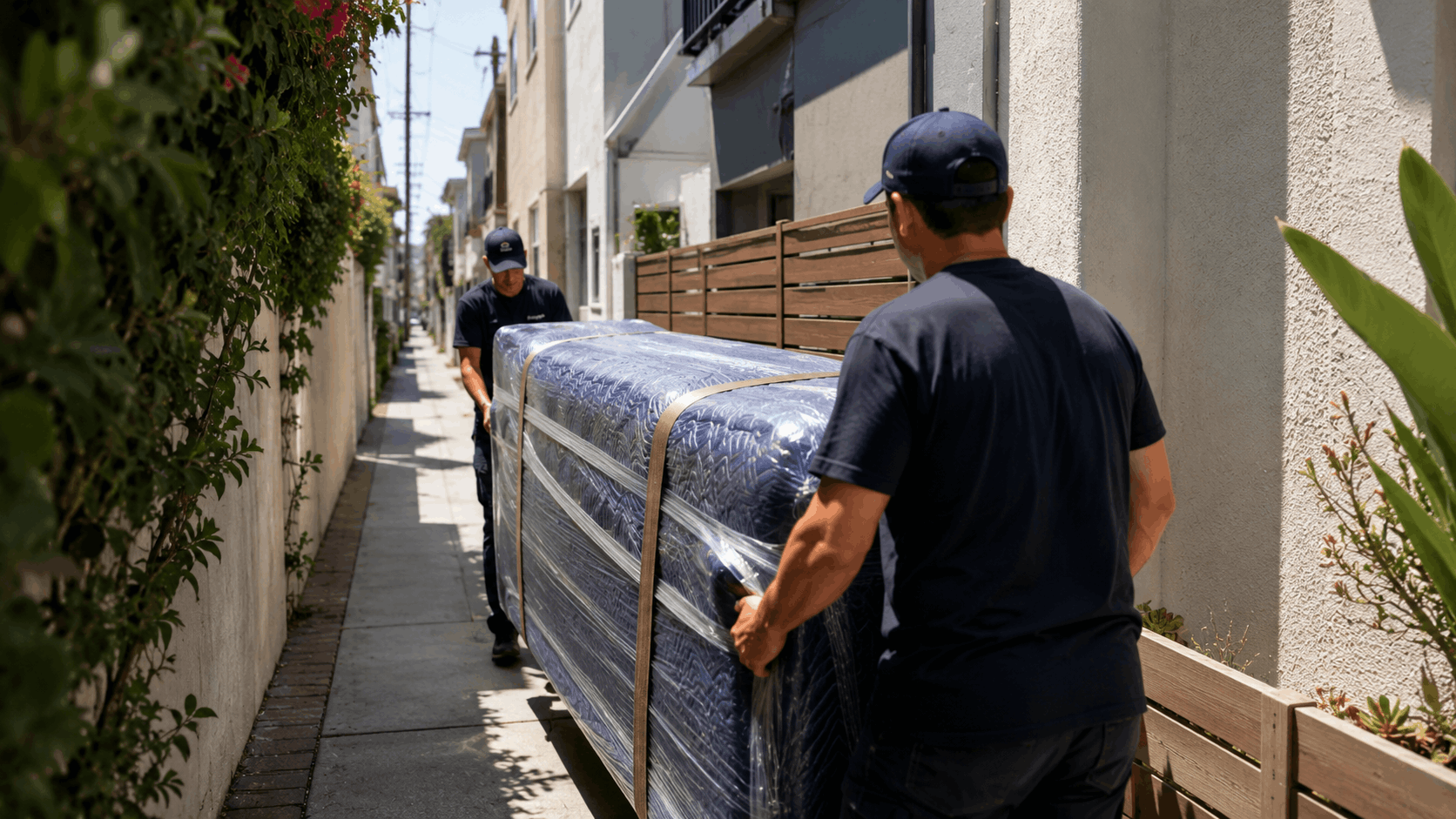
Narrow staircases and sharp landings get extra attention. We blanket-wrap large pieces and use moving straps to guide them through turns instead of forcing them and gouging a wall.
This care matters even more in newer condos with delicate finishes. A few minutes of padding up front prevents a repair bill that dwarfs the cost of the protection itself.
How Popeye Moving & Storage Co. Plans Truck Staging
Truck staging is where our local knowledge pays off. Before move day, our Los Angeles based crew scouts the street, marks a parking spot, and picks a staging zone that shortens the carry.
We look at curb length, alley clearance, driveway grade, and the walking route to the door. Then we decide whether one truck works or whether a shuttle plan makes more sense for the address.
Popeye Moving has run countless moves across the South Bay, from Redondo Beach to the walk streets of Hermosa. That route knowledge lets us call the right setup the first time instead of improvising on the curb.
A scouted staging plan also means we can post no-parking signs in the exact right spot. When the truck arrives, the space is open and the crew starts loading without delay.
Permits, Parking, and City Rules to Know
Local rules shape where a moving truck can park and for how long. A moving permit or posted notice can be the difference between a clear curb and a truck circling the block. Hermosa Beach parking rules are strict near the beach, so planning ahead matters.
Our team handles these details for clients, but it helps to know what is involved. Here is how the city's rules affect a typical move.
Temporary Parking and No-Parking Signs
The most reliable way to claim curb space is to reserve it with temporary parking signs. The city allows residents and movers to post no-parking notices ahead of move day to hold a stretch of curb.
These signs must go up a set number of hours in advance to be enforceable, usually a day or two before. Posting too late means a parked car can legally stay put and block your spot.
We help arrange these notices as part of planning a walk street or sand section move. A reserved 40-foot stretch on Hermosa Avenue can save an hour of carry time on its own.
Skipping this step is a common mistake. On a busy beach weekend, an unreserved curb almost never stays open long enough for a truck to grab it.
Permit Parking Districts to Watch
Parts of Hermosa Beach near the water fall under residential parking permit zones. In a permit district, only residents with the right placard can park during posted hours, which complicates truck staging.
A moving truck without the proper notice can be ticketed even when a spot is open. We check the permit map for each address before move day to avoid that trap.
When a home sits inside a permit district, we plan around the rules with reserved signs or an approved staging spot. That keeps the truck legal and the move on track.
Residential parking rules change block by block near the beach. Local knowledge of which streets carry which restrictions is what keeps a job from stalling over a parking ticket.
Working With the Hermosa Beach Public Works Department
For street use questions, the Hermosa Beach Public Works Department is the office to contact. They handle permits for blocking lanes, using public right-of-way, and other street use needs that come up on tight moves.
Lead times vary, so we reach out early when a job needs special permission. A simple parking notice is quick, while a lane closure can take longer to approve.
You can find current rules and contact details on the City of Hermosa Beach website. We recommend reviewing parking regulations there before any beach-area move.
Our team manages this communication for clients on complex jobs. Handling it early means no scramble for paperwork the morning the truck arrives.
HOA and Building Rules in Newer Complexes
Newer mixed-use buildings near Pier Avenue add another layer of rules. Many have HOA rules covering move-in hours, elevator use, and loading dock access that must be arranged in advance.
Some buildings require an elevator reservation and a refundable deposit before a single box moves. Others limit moving to certain hours or weekdays only.
We ask about building rules during the estimate so nothing surprises us. A missed elevator reservation can stall a move for hours or push it to another day.
For condo and apartment moves near Pier Avenue, our residential moving team coordinates with management ahead of time. That keeps the dock open and the elevator padded and waiting.
Need Help in Los Angeles?
Popeye Moving & Storage serves Los Angeles and all of Los Angeles County.
Timing Your Move Around Crowds and Weather
Picking the right day and time is one of the best ways to ease a Hermosa Beach move. The best time to move here avoids beach traffic, local events, and the seasonal congestion that clogs every street near the water.
Our crews schedule beach moves around these patterns on purpose. A little timing strategy can save more hours than any single piece of equipment.
Summer Beach Crowds and Tourist Season
Summer brings huge beach crowds, and parking near The Strand fills before mid-morning. Tourist parking takes every open curb, leaving no room for a truck to stage.
From June through August, weekend access near the sand can be nearly impossible without a reserved spot. Even weekdays get tight once school lets out and visitors flood in.
We push summer moves to early morning starts to beat the rush. Loading a truck by 8 a.m. means the crew works while the beach is still quiet.
Reserved no-parking signs matter most in summer. Without them, a great plan can collapse the moment a carload of beachgoers grabs your curb space.
Local Events That Block Streets
Hermosa Beach hosts big events that close streets and fill every lot. The Fiesta Hermosa over holiday weekends and beach volleyball tournaments draw thousands and trigger street closures across downtown.
Moving during one of these events is a recipe for delay. Roads near Pier Avenue and the beach shut down, and traffic backs up for blocks in every direction.
We check the city event calendar before scheduling any move. If a festival or tournament falls on a client's date, we suggest shifting it or planning a route well away from the closures.
Local event knowledge is part of why we plan moves around the calendar, not just the clock. Avoiding a Fiesta Hermosa weekend alone can save a move from hours of gridlock.
Best Days and Hours for a Smooth Load
For narrow street moves, an early morning weekday move is the sweet spot. Tuesday through Thursday mornings see the least beach traffic and the most open curb space.
We like to start between 7 and 8 a.m. when streets are quiet and parking is open. That window lets the crew claim a staging spot and run the carry before crowds arrive.
Mondays and Fridays can work but tend toward heavier traffic near the highway. Weekends are the hardest, especially in summer, so we steer clients toward midweek when possible.
An early start also dodges afternoon heat on long carries. The crew stays fresh and the job finishes before the day heats up.
Coastal Fog and Wet Conditions
The marine layer rolls in many mornings and leaves surfaces damp. Wet ramps and slick walk street pavement change how a crew has to move, especially on a grade.
Damp footing raises the risk of a slip on a loaded dolly run. Our crews slow the pace and add traction mats when the fog leaves things wet.
We watch the morning forecast and adjust ramp angles and crew positioning for wet conditions. Safety on a slick ramp always comes before speed.
By midmorning the marine layer usually burns off, which is one more reason a slightly later start can help on foggy days. We balance crowd timing against drying conditions for each job.
How to Prepare Your Home for a Walk Street Move
A little move preparation goes a long way on a hard-access job. The work a homeowner does before crews arrive directly shapes how fast and how affordable a walk street move turns out.
Here is the checklist our team shares with clients heading into a tight Hermosa Beach move. Each step shaves time off the carry.
Clearing the Path Before Crews Arrive
The first job is to clear path obstacles along the route. Open the walk street gate, move planters, and roll bikes and trash bins out of the way before the crew shows up.
On a narrow pedestrian lane, a single planter or parked bike can force the crew to detour or set a load down. Every detour adds minutes that pile up over a full house.
We ask clients to walk the route the night before and clear anything that pinches the path. A clean lane lets dollies roll straight from truck to door.
Prop open any self-closing walk street gate as well. A gate that swings shut on a crew member carrying a dresser is both slow and unsafe.
Disassembling Large Furniture Early
Big furniture and tight turns do not mix. Taking apart large items early - bed frames, table legs, modular sofas - lets them clear narrow doorways and sharp landings.
Furniture disassembly before move day saves the crew from doing it on the clock. A bed broken down ahead of time moves in minutes instead of half an hour.
We can handle disassembly as part of the job, but doing the simple pieces yourself trims labor time. Our full service packing team can tackle the rest if you prefer hands-off.
Keep all hardware in labeled bags taped to each piece. That small step prevents a scavenger hunt for screws on the other end.
Notifying Neighbors and Sharing Plans
Walk streets are shared, so a neighbor notice keeps the peace. Letting neighbors know your move date helps keep the shared path open and avoids parking conflicts.
On a tight lane, a neighbor's car or delivery can block the only route. A heads-up gives them time to plan around the truck and the carry.
We suggest a quick note or knock a few days ahead. Most neighbors appreciate the warning and gladly keep their stretch of path clear.
Good neighbor relations also help if the crew needs a moment of extra space. A little courtesy up front prevents a standoff on move day.
Labeling Boxes for a Long Carry
When items stage far from the truck, clear box labeling speeds everything up. Marking each box with its room and contents lets the crew sort at the staging area without guessing.
On a long carry, a mislabeled box can ride all the way out and back if it lands in the wrong load. Good labels keep the relay moving in one direction.
We recommend labeling on the top and one side so marks show no matter how a box sits. Color-coding by room speeds sorting even more.
Number your boxes too, so nothing gets lost on a long walk street carry. A simple inventory count at both ends confirms everything made the trip.
Need Help in Los Angeles?
Popeye Moving & Storage serves Los Angeles and all of Los Angeles County.
What These Access Issues Mean for Your Cost and Timeline
Access challenges affect both your moving cost and how long the job takes. We believe in being upfront, so here is how a tough Hermosa Beach address shows up on an estimate, including any long carry fee.
The goal is no surprises. When you understand the factors, the quote makes sense and move day runs smoothly.
How Long Carries Affect Labor Hours
Carry distance is the biggest driver of added labor hours on a walk street move. Every extra 100 feet of carry adds trips, and trips add time across a full house.
A standard driveway move of a two-bedroom home might run 4 to 6 hours. The same home on a 150-foot walk street can run 6 to 9 hours because of the carry alone.
We give realistic hour ranges during the estimate based on the actual distance. Padding the estimate to be safe is not our style - we measure and quote honestly.
Adding crew can offset some of that time, which we explain next. The math is simple: more hands moving in a relay beats fewer hands walking farther.
Shuttle and Extra-Crew Charges
Two line items show up on tough-access quotes more than any others. A shuttle charge covers the smaller transfer truck, and an extra crew charge covers added movers for long carries.
A shuttle truck appears when no full-size truck can reach the home, such as a deep walk street or sand section address. The shuttle's cost is usually less than the labor it saves on a long hand carry.
Extra crew gets added when the carry distance or grade demands more hands to keep pace. A fourth or fifth mover on a south Hermosa job often pays for itself in saved hours.
We spell out both charges in the estimate so you see exactly what they cover. There are no mystery fees waiting on move day.
Why an Honest On-Site Estimate Matters
An on-site estimate is the best defense against move-day surprises. Walking the property lets us see the curb, the path, the stairs, and the turns that a phone quote can never capture.
For Hermosa Beach homes, a walk-through reveals whether a shuttle is needed and how far the carry really runs. Those details set the price and the schedule accurately.
A quote built from a real look at the home holds up on move day. A guess over the phone often falls apart the moment the truck cannot reach the door.
We offer on-site estimates for any complex beach move. The hour it takes saves far more in surprises avoided.
How Popeye Moving & Storage Co. Quotes Tough Access Jobs
Our moving quote process builds street access into the number from the start. We factor curb distance, walk street length, grade, parking rules, and any shuttle need into a clear estimate.
Popeye Moving has handled tough access across the South Bay, so we know what a Hermosa walk street or sand section move really requires. That experience makes our quotes accurate, not optimistic.
For clients comparing options, we lay out the labor hours, crew size, and any shuttle plainly. You can also explore our Hermosa Beach moving services to see how we cover the whole city.
The result is a quote you can trust and a move day with no curveballs. That clarity is what brings beach residents back to us for their next move.
Final Thoughts
Hermosa Beach is one of the most rewarding and most demanding places to move in all of Los Angeles. The walk streets, tight alleys, steep grades, and beach crowds turn an ordinary move into a job that rewards real local knowledge.
With the right truck, the right gear, a smart parking plan, and good timing, even a deep walk street home moves smoothly. Preparation on the homeowner's side - clearing the path, prepping furniture, and labeling boxes - speeds everything up and keeps costs down.
Our team has worked these streets for years, and we plan every beach move around exactly these challenges. If you have a move coming up on a Hermosa Beach walk street or anywhere in town, reach out to Popeye Moving & Storage Co. for an honest on-site estimate and a plan built for your address.
Frequently Asked Questions
- What is a walk street in Hermosa Beach?
- A walk street is a pedestrian-only lane lined with homes that face it instead of a driveway. They run between The Strand and Hermosa Avenue and are usually eight to twelve feet wide. Trucks cannot drive on them because there is no roadway, curb, or vehicle access - just a wide walkway. Movers park on the nearest cross street and carry items in by hand or on dollies.
- Can a full-size moving truck reach my walk street home?
- In most cases, no. A full-size moving truck cannot enter a walk street, so it parks on the nearest cross street or on Hermosa Avenue. From there, our crew carries items in by hand and dolly, often 75 to 150 feet. For deep walk street homes, we may run a smaller shuttle truck to cut the carry. We confirm the right plan during the on-site estimate.
- Do I need a permit to park a moving truck in Hermosa Beach?
- Often yes, especially near the beach. Many streets require posted no-parking signs to reserve curb space, and some fall inside residential permit districts where trucks need approval. We help arrange temporary parking notices and check permit zones before move day. For lane closures or special right-of-way needs, the city's Public Works Department issues the permits, and we handle that contact for complex jobs.
- How much extra does a long-carry move cost?
- It varies with distance, but expect a long carry to add roughly 25 to 50 percent to labor hours compared to a driveway move. The main factors are carry distance, grade, stairs, and whether a shuttle truck is needed. A 150-foot walk street carry can add two to three hours on a typical home. We quote the added cost clearly on the estimate so there are no surprises.
- What is a shuttle truck and when is one used?
- A shuttle truck is a smaller vehicle that ferries your belongings from a hard-access home to a larger truck staged nearby. We use one when a full-size truck cannot reach the home, such as a deep walk street or a sand section property. The shuttle makes short runs to a transfer point, which saves far more time than carrying everything by hand over a long distance.
- How early should I book a move during summer?
- Book at least three to four weeks ahead for summer beach moves. June through August is peak season in Hermosa Beach, and weekend slots fill fastest. Early booking lets us reserve curb space, arrange any permits, and schedule an early morning start before crowds arrive. For a move near The Strand on a summer weekend, even earlier is wise to lock in the best timing.
- What time of day works best for a walk street move?
- Early weekday mornings are ideal, ideally a 7 to 8 a.m. start Tuesday through Thursday. Beach traffic and parking are lightest then, so the crew can claim a staging spot and run the carry before crowds arrive. Summer especially rewards an early start, since parking near The Strand fills by mid-morning. We schedule narrow street moves in that window whenever a client's date allows.
- How do I protect my floors during a tight move?
- Our crew lays floor runners and ram board over hardwood and tile, then pads door frames and tight corners. Corner guards protect walls and furniture at sharp turns, and large pieces get blanket-wrapped before they move through narrow spaces. On stairs, we use straps to guide items rather than force them. This setup takes a few minutes up front and prevents costly damage on tight walk street routes.
- Will my move take longer because of narrow access?
- Yes, hard-access homes take longer because of the carry distance, stairs, and grades involved. A walk street or sand section move can run two to three hours longer than the same home on a standard driveway. Adding crew or using a shuttle truck offsets some of that time. We give an honest hour range in the estimate so you can plan your day realistically.
- Does Popeye Moving & Storage Co. serve all Hermosa Beach neighborhoods?
- Yes, our crews cover every part of Hermosa Beach, from the sand section along The Strand to Hermosa Valley and the east side near Pacific Coast Highway. We also serve the wider South Bay including Redondo Beach and Manhattan Beach. Whatever the access challenge - walk street, steep driveway, or congested curb - we plan and quote the move around your specific address. Contact us for an on-site estimate.
P
Popeye Moving & Storage Co. Team Team
Licensed moving and storage professionals serving Los Angeles and Los Angeles County.
Licensed in California · License #CAL T 189749 | USDOT 1472924 | MC 498816C
Why trust Popeye Moving & Storage?
Founded in 1994, Popeye Moving & Storage is a licensed and insured moving and storage service serving Los Angeles and Los Angeles County. All content is reviewed by our licensed technicians.

Need Help in Los Angeles?
Popeye Moving & Storage serves Los Angeles and all of Los Angeles County.
Related Articles
How-To Guides
Hillside Move Logistics: Why Some LA Streets Need Smaller Trucks
Hillside move logistics in LA require smaller trucks, special permits, and careful planning. Learn why canyon streets demand a different approach and how Popeye Moving handles it.
Tips & Advice
Moving in the LA Hills: What Steep Streets and Narrow Roads Mean for Your Move
Hillside moves in Los Angeles aren’t like flat-land moves. Here’s what to expect with steep streets, narrow roads, and limited truck access in neighborhoods from Hollywood to Brentwood.
How-To Guides
Moving to Santa Monica: Parking Rules, Street Restrictions, and Building Access
Everything new Santa Monica residents need to know about permit parking zones, moving truck restrictions, building elevator rules, and city permits before moving day.