DTLA Loading Dock Access Guide: 30 Major Buildings and Their Rules
Key Takeaways
- Loading dock access is the biggest factor in a smooth Downtown LA move, driven by tight streets, security desks, and strict building rules.
- Financial District towers like US Bank Tower and Aon Center require reservations, security check-in, and insurance paperwork before move day.
- Historic Core buildings near Spring Street and Broadway often have no dock, relying on alley loading, small service elevators, or curb permits.
- South Park moves near Crypto.com Arena and L.A. Live must be timed around game days, concerts, and convention street closures.
- Reserve dock time one to two weeks ahead, confirm the move window in writing, and provide a building-specific certificate of insurance.
- Common costly mistakes include skipping the dock reservation, ignoring truck height and weight limits, and moving during peak congestion.
- Popeye Moving & Storage Co. handles dock bookings, COIs, elevator reservations, curb permits, and storage overflow for DTLA clients.
In This Article
A moving truck idles on Figueroa Street at 8 a.m. The driver has a full load of furniture, a client waiting upstairs on the 34th floor, and no dock reservation. The security guard at the desk shakes his head. No booking, no access. The truck sits there for two hours racking up parking risk while the clock ticks and the client grows frustrated.
We have watched this scene play out more times than we can count across Downtown LA. The buildings here do not run on good intentions. They run on paperwork, booked time slots, and dock rules that vary wildly from one tower to the next. A move that could take four hours turns into an all-day ordeal when nobody planned the dock access ahead of time.
Let's break down loading dock access for 30 major DTLA buildings across the Financial District, Historic Core, South Park, the Arts District, and Bunker Hill. Readers will learn the reservation steps, hour limits, insurance rules, and the small details that separate a smooth move from a stalled one. Our team drives these streets every week, so this is real advice from people who have parked at these docks.
Why Loading Dock Access Matters for a DTLA Move?
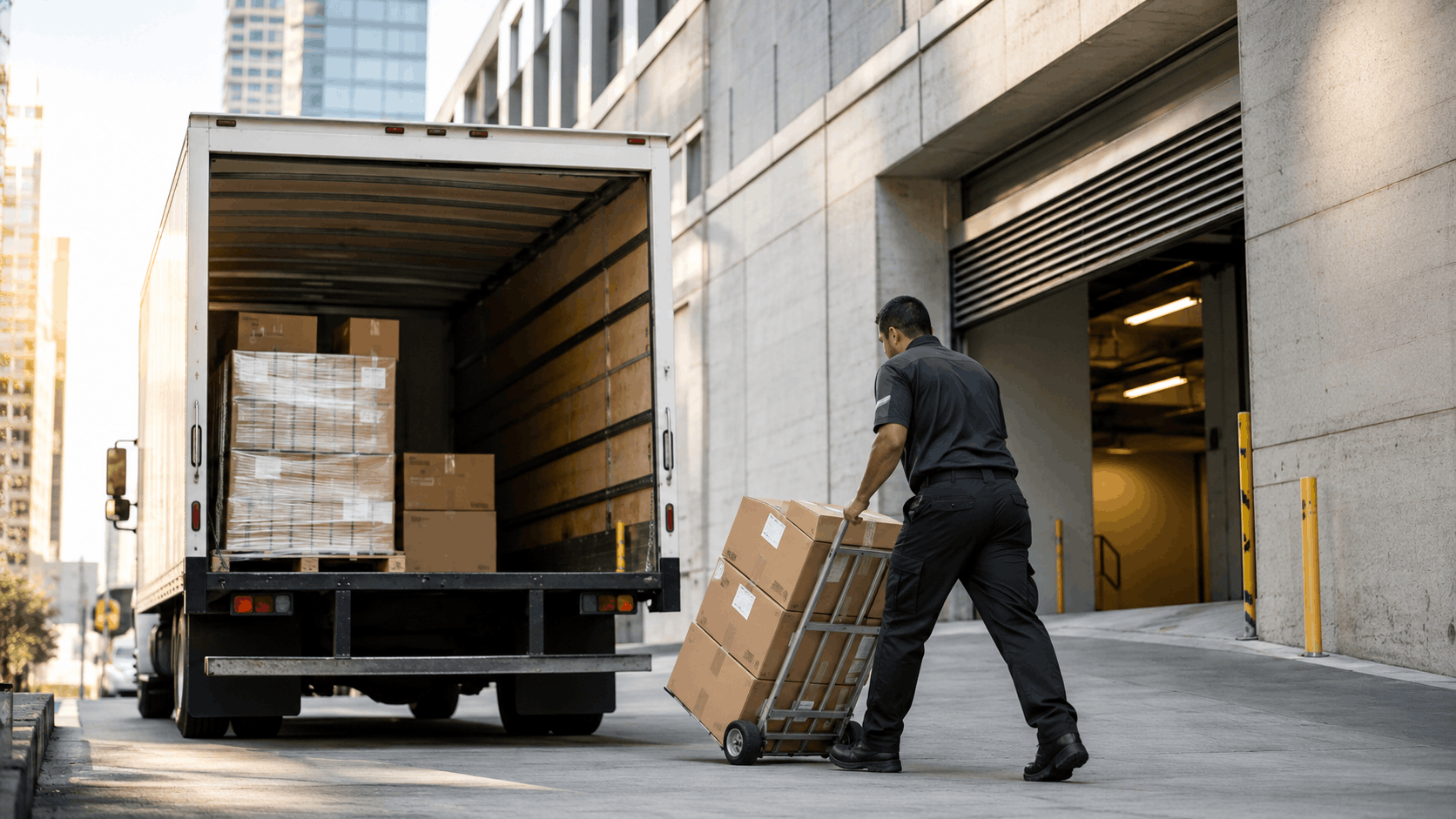
Dock access is the single biggest factor in whether a Downtown LA move goes smoothly or falls apart. Tight streets, watchful security desks, and strict building management turn what should be simple into a coordination puzzle. Get the dock right and everything else falls into place. Get it wrong and the whole day slips.
Here is why the DTLA loading dock decides the outcome of most jobs:
- Curb space is scarce and often metered or restricted during business hours.
- Most towers require building access approval before a truck ever arrives.
- Security desks turn away movers without a confirmed reservation.
- Freight elevators must be booked separately from the dock itself.
- Fines for blocking traffic or docks add up in downtown Los Angeles moving.
Planning ahead saves hours and real money. A single missed reservation can push a move to another day and double the labor cost.
The Reality of Moving in Downtown Los Angeles Traffic
Anyone who drives Grand Avenue at rush hour knows the crawl. The blocks around Figueroa Street and 7th Street stay clogged from early morning through the evening. A 26-foot truck cannot just double-park and unload while traffic backs up behind it. Downtown enforcement is eager to ticket, and the fines are not small.
Curb space near the office towers is limited and mostly reserved for rideshare, deliveries, or metered short-term parking. There is rarely room to stage a full moving truck at the curb for hours. That is why official docks exist and why building management pushes every mover to use them.
The one-way streets and bus lanes along 7th Street add another layer. A driver unfamiliar with the flow can end up circling for 20 minutes just to reach a dock entrance. Our drivers map the approach before the truck rolls out so we hit the dock from the right direction the first time.
Traffic patterns also shift by the hour. What works at 7 a.m. becomes gridlock by 9 a.m. Timing the dock arrival around these windows is part of every plan we build for a downtown job.
How Building Rules Affect Your Timeline
Building rules shape a DTLA move more than the size of the load. Most towers assign a move window, often two to four hours, and expect the truck cleared out by the end of it. Run long and the next mover in line gets bumped, which the property manager will not tolerate twice.
A certificate of insurance is almost always required before move day. Buildings want proof that the mover carries liability and workers coverage naming the property as additional insured. Without that paperwork on file, the desk will not release the freight elevator or the dock.
Elevator reservations run on their own schedule. A freight elevator booked for exclusive use during a two-hour block keeps other tenants and movers from crowding the ride. Miss the reservation and the crew shares the elevator with random passengers, which slows everything down.
All of these rules stack up to define the move timeline. When we quote a downtown job, we build the schedule around the building's window, not just the volume of boxes. That is the difference between a move that ends on time and one that runs into overtime charges.
What Popeye Moving & Storage Co. Watches For
Before every DTLA job, our team scouts the dock in person or through detailed building specs. We confirm the dock height clearance so the truck actually fits under the entrance. A 13-foot truck at an 11-foot dock is a problem discovered too late if nobody checked.
We call the property manager days ahead to lock in the reservation and confirm the paperwork requirements. Each building has its own contact and its own quirks, and those relationships save time. Knowing that one tower needs COIs 48 hours in advance while another accepts them same-day keeps jobs from stalling.
Our crew also checks staging areas, elevator dimensions, and the walking distance from dock to unit. Some buildings have the freight elevator a long push from the dock, which changes how many movers we bring. As experienced Los Angeles movers, we plan for those details instead of discovering them on the clock.
Finally, we verify hours. A building that only allows moves between 9 a.m. and 4 p.m. on weekdays needs a different plan than one that permits evening moves. We confirm all of it in writing so there are no surprises at the security desk.
Get Your Free Quote
Tell us about your move. We'll be in touch soon.
Financial District Buildings and Their Dock Rules
The Financial District packs the tallest towers in the city into a few dense blocks. These office buildings run tight ships when it comes to loading dock access, with security check-ins and booked windows the norm. An office tower move here demands more planning than almost anywhere else downtown.
Bunker Hill and the surrounding Financial District blocks share a common theme: nothing happens without a reservation. Below is what to expect at the major towers our crews work regularly.
US Bank Tower and Wells Fargo Center
US Bank Tower sits off Figueroa with a controlled dock that requires advance booking through building management. Security check-in is strict here. Every mover signs in, shows ID, and confirms the reservation before the freight elevator is released.
Wells Fargo Center has dock entrances that draw from both the Grand Avenue and Figueroa sides depending on the tower. The two-building complex assigns move windows that usually fall outside peak business hours. Weekday moves often start after 5 p.m. or land on weekends.
Both towers cap move windows and expect the dock cleared promptly. Running past the booked time risks a fine and a strained relationship with the property manager. We build in buffer time so our crews finish inside the window every time.
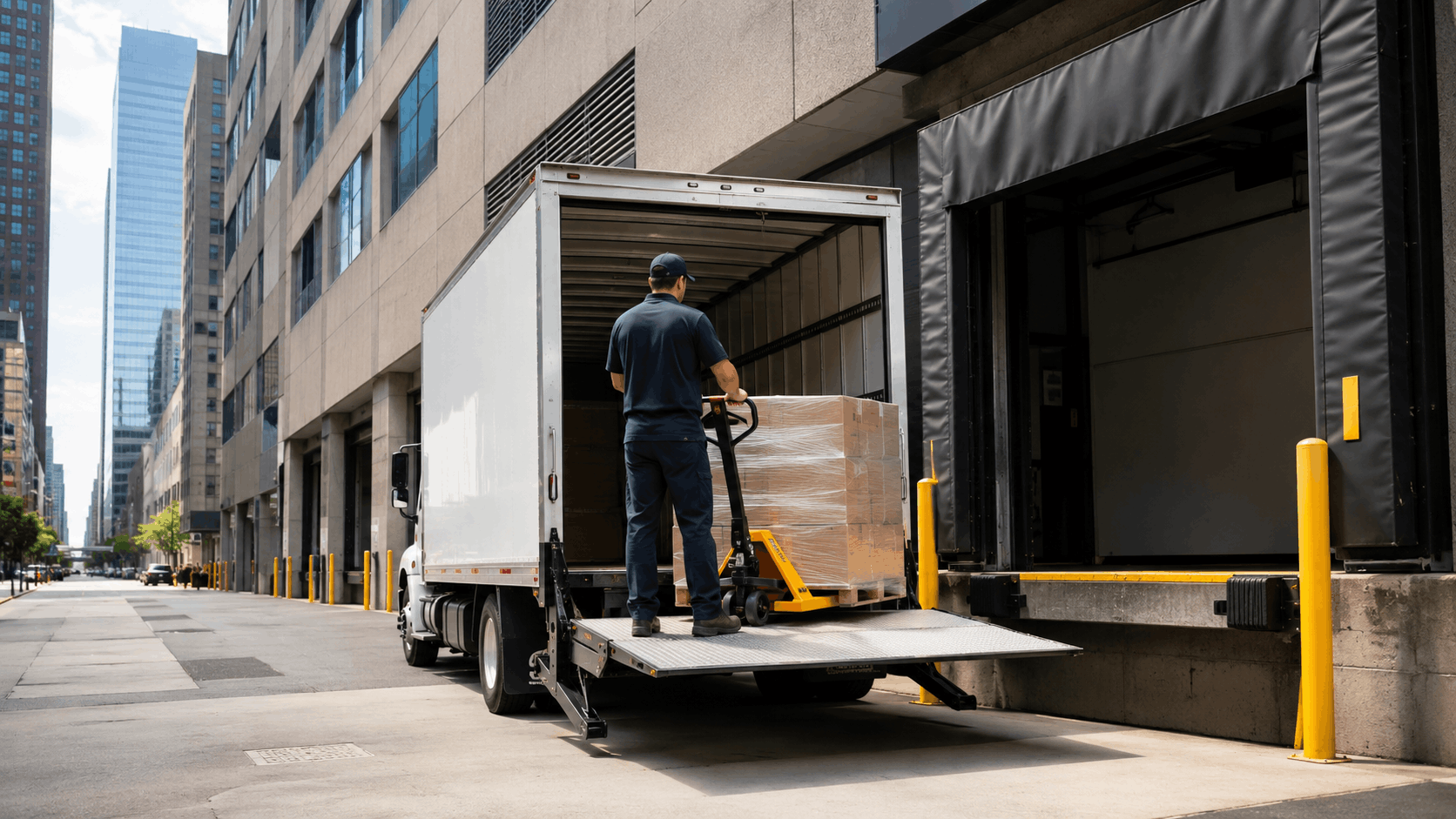
Truck size matters at these entrances. The dock clearance handles standard moving trucks, but oversized rigs may need to split loads. We confirm dimensions with the building before the truck leaves our yard.
Aon Center and 777 Tower
Aon Center on South Figueroa runs freight elevator scheduling on a first-come, reserved basis. The building wants insurance paperwork on file before it confirms the slot. A missing certificate of insurance is a frequent reason a move here gets delayed.
777 Tower nearby has similar rules with strict truck size limits at the dock entrance. The freight elevator is generously sized, but the loading approach is narrow. Larger trucks sometimes stage on the street briefly and shuttle loads to the dock.
Both buildings expect the mover to hold the freight elevator for exclusive use during the booked window. That padding-protected ride keeps furniture safe and other tenants uninterrupted. Coordinating this ahead of time avoids sharing the elevator with office workers.
For a large office business move in these towers, the paperwork and elevator booking take as much planning as the packing. We handle both so the client can focus on their business.
City National Plaza and Two California Plaza
City National Plaza on Bunker Hill uses a dock ramp that trucks descend to reach the loading area. The ramp has a clearance limit, so we always confirm truck height before committing a rig. Getting a truck stuck on a ramp is a costly, embarrassing delay.
Two California Plaza follows the same Bunker Hill pattern with ramp access and controlled entry. After-hours moves are common here, and the building often prefers them to keep daytime traffic clear. Evening and weekend windows require advance approval.
Trucks typically stage on a nearby street or in a designated area before the dock opens for their window. The security team calls the truck down when the slot begins. Timing this correctly avoids blocking the ramp for other tenants.
These plazas connect to elevator banks that serve specific floors. Knowing which elevator reaches the destination floor saves the crew from wandering the building. We map that route before move day.
The Gas Company Tower and Bank of America Plaza
The Gas Company Tower keeps its dock hours tight, usually weekday business hours unless an after-hours move is arranged. Height restrictions at the entrance mean standard trucks work but tall rigs do not. The loading approach comes off 5th Street and requires careful navigation.
Bank of America Plaza shares the 5th Street corridor with its own dock rules. Reservations run through building management, and security check-in is required at arrival. The building assigns freight elevators for the move duration.
Both landmarks sit in a busy stretch where 5th Street traffic can complicate the approach. Our drivers time arrivals to avoid the worst congestion. A smooth entry off 5th Street sets the tone for the whole job.
Clearance and weight limits are non-negotiable at these older towers. We verify both against the truck we plan to send. When a rig is too large, we bring a smaller shuttle truck instead.
Need Help in Los Angeles?
Popeye Moving & Storage serves Los Angeles and all of Los Angeles County.
Historic Core and Old Bank District Access
The buildings near Spring Street and Broadway carry decades of history, and their loading setups show it. Many of these Historic Core structures were built long before modern moving trucks existed. Some have tiny docks, some load through alleys, and some have no dock at all.
The Old Bank District and the Spring Street lofts are gorgeous places to live, but moving in and out takes patience and planning. Here is what our crews deal with in these converted buildings.
Rowan Building and Continental Building
The Rowan Building on Spring Street loads through an alley zone rather than a proper dock. The service elevator is small, so furniture often moves in pieces or gets carried up. Time limits on the loading zone add pressure to work efficiently.
The Continental Building shares similar constraints as one of the district's early high-rise conversions. Its service elevator handles residential loads but slows large moves. Booking the elevator window in advance is required.
Alley loading means coordinating with a narrow, shared space. Trash pickup, other tenants, and delivery trucks all use the same alley. Timing the move to avoid conflicts keeps things moving.
For these buildings, we bring extra crew to speed up the elevator shuttle. More hands mean the small elevator gets loaded and unloaded sooner. That offsets the slower vertical trips.
Eastern Columbia Building and Broadway Lofts
The Eastern Columbia Building on Broadway is a landmark, and its loading setup is tight to match. Curb use often requires a permit, since there is no full dock for a moving truck. The building's HOA move rules govern hours and access.
Broadway itself stays busy with foot traffic, retail, and transit. Staging a truck here means securing a temporary loading spot in advance. Without a permit, the truck risks a ticket.
Residential lofts along Broadway often run under HOA move rules that require reservation forms, deposits, and insurance. These rules protect the building's common areas and elevators. We gather all of it before move day so the crew is not turned away.
Elevator padding is standard in these buildings to protect the historic finishes. We confirm the building installs pads or bring our own protection. Careful handling matters more in these older structures.
Working Around Buildings With No Dock
Plenty of Historic Core buildings simply have no loading dock. When that is the case, we pull a curb permit from the city to reserve street space for the truck. That legal spot prevents tickets and keeps the truck close to the entrance.
Shuttle carts move belongings from the truck to the building entrance and up the elevator. This shuttle move approach works well when the truck cannot get close. It takes more trips but keeps the job legal and organized.
Street timing becomes the deciding factor for no-dock buildings. We schedule the move to dodge street cleaning, rush hour, and peak pedestrian flow. An early morning start often gives the clearest window.
Our team has moved clients into buildings with nothing but an alley and a freight elevator the size of a closet. Experience makes those jobs work. We plan the shuttle route and crew size to match the building's limits.
South Park and L.A. Live District Buildings
South Park has boomed with new residential high-rises near Crypto.com Arena and the Convention Center. These modern towers have real docks and organized reservation systems. The catch is the event schedule that surrounds L.A. Live.
A move that would take four hours on a quiet Tuesday can stall for hours on a game day. Understanding the district's rhythm is the difference between an easy move and a blocked street.
The Ritz-Carlton Residences and Metropolis Towers
The Ritz-Carlton Residences run luxury building move protocols that rival any tower in the city. Moves require advance dock reservation, valet coordination, and often a building representative present. Protecting the finishes is a top concern.
Metropolis Towers span several high-rise buildings with their own dock reservation system. Each tower assigns move windows and requires insurance on file. The docks are modern and well-sized, but the booking process is strict.
Valet and concierge staff at these buildings control access to the dock and elevators. Coordinating with them ahead of time smooths the arrival. A mover who shows up unannounced waits at the gate.
For high-value furniture and art in these residences, we bring proper padding and crating. Our specialty moving approach protects the pieces that matter most. Luxury buildings expect that level of care.
TEN50 and Circa Residences
TEN50 requires a move-in room booking through building management before the truck arrives. The dock reserves for one move at a time to avoid conflicts. Protective padding on elevators and hallways is mandatory.
Circa Residences, the twin towers off Figueroa, run a similar system with dock access off Flower and Figueroa. The building assigns time slots and expects the crew to protect common areas. Padding rules are enforced by staff.
Both buildings sit close to the arena, so the reservation must account for event days. A booked dock does no good if the surrounding streets are closed. We check the event calendar against every reservation.
The move-in booking usually opens the freight elevator for exclusive use during the window. That keeps residents and movers from crowding the ride. Confirming the booking in writing avoids day-of confusion.
How Arena Events Change Dock Access
Game days and concerts at Crypto.com Arena reshape the entire South Park district. Streets around L.A. Live close or fill with game day traffic hours before an event. A truck trying to reach a dock during that window may not get through.
Convention Center events add another wave of congestion. Large conventions bring thousands of attendees and their own street closures. Checking the event schedule before booking a move is not optional here.
We time South Park moves around the arena calendar whenever possible. A morning move on a concert night usually finishes before the crowds arrive. When an event is unavoidable, we adjust the route and window.
Street closures can appear with little notice for major events. Our drivers monitor conditions the morning of the move. If a route closes, we already have an alternate approach mapped out.

Arts District and Little Tokyo Loading Setups
East of Alameda, the Arts District turned old warehouses into loft living and creative offices. These warehouse lofts load very differently from a glass tower. Some have drive-in access, some have gated docks, and some rely on narrow industrial streets.
Little Tokyo mixes residential towers with cultural landmarks and tight blocks. Loading here takes local knowledge. Here is how our crews handle these industrial-turned-residential buildings.
Barker Block and Toy Factory Lofts
Barker Block offers gated dock areas that require a code or staff to open. The reservation process assigns access and a time window. Once inside, the loading is more forgiving than a downtown tower.
Toy Factory Lofts often allow drive-in loading, where the truck pulls close to the freight elevator. That cuts the carry distance and speeds the move. Booking the elevator and confirming gate access still comes first.
These Arts District conversions keep original industrial bones, including large freight elevators. That makes moving big furniture easier than in a cramped historic loft. We still confirm dimensions before arrival.
Reservation steps here run through property management or the HOA. Getting the gate code and elevator window locked in avoids a wait at a closed dock. We handle those calls ahead of the move.
One Santa Fe and Little Tokyo Towers
One Santa Fe stretches an unusually long distance along Santa Fe Avenue. That length means the freight elevator can sit far from where the truck loads. Movers push loads a good distance, so crew size and equipment matter.
Little Tokyo towers mix residential and mixed-use with their own dock hours and access rules. Loading zones along the surrounding streets fill up early. Confirming the building's window and staging plan keeps the move on track.
The long-building challenge at One Santa Fe rewards planning. We map the shortest route from truck to elevator to unit. Dollies and extra hands cut the trip time on those long pushes.
Hours along Santa Fe Avenue vary by building section. Some entrances allow earlier access than others. We verify the specific dock and hours for the client's unit before booking.
Street Parking and Permit Tips for Warehouse Moves
The Arts District has narrow streets that were built for factory trucks, not modern moving vans. A temporary no-parking permit reserves curb space so the truck has room to stage. Without it, parked cars can block the only viable spot.
Truck staging takes thought in these tight blocks. We scout where a rig can safely sit without blocking traffic or other businesses. The right staging spot keeps the shuttle short and legal.
Narrow streets also limit truck size. A full-size rig may not turn onto certain Arts District blocks. When that is the case, a smaller shuttle truck ferries loads from a larger truck parked nearby.
For creative office and studio relocations in this district, we combine warehouse and industrial moving know-how with permit handling. That mix keeps these unusual jobs on schedule. Local experience is what makes the narrow streets manageable.
Need Help in Los Angeles?
Popeye Moving & Storage serves Los Angeles and all of Los Angeles County.
Bunker Hill and Grand Avenue Residential Towers
Bunker Hill rises above the rest of downtown near the Broad museum and Walt Disney Concert Hall. The residential towers here sit on a real hill, which changes how trucks approach and load. Steep streets and tight turns are part of every job.
Grand Avenue keeps growing with new residential development. Each tower has its own dock and hillside quirks. Here is what our crews know about moving on the Hill.
The Grand LA and Grand Avenue Residences
The Grand LA is one of the newest addresses on Grand Avenue, with modern dock scheduling and a service entrance built for moves. Reservations run through building management with assigned windows. The freight elevator books for exclusive use.
Grand Avenue Residences follow the same modern approach with organized dock access. The service entrance keeps moves separate from resident lobbies. Insurance and reservation paperwork come first.
These new buildings have generous docks and elevators, which makes the actual move smoother. The planning still centers on the reservation and hours. We confirm the window and elevator booking in writing.
Grand Avenue traffic and the hillside approach need attention even at modern buildings. Our drivers time arrivals and map the climb. That preparation keeps the truck from struggling on the grade.
Museum Tower and Promenade Towers
Museum Tower near the concert hall is an older Bunker Hill building with a steep ramp to its dock. Trucks descend carefully, and clearance limits apply. We confirm the truck fits before committing.
Promenade Towers share the older Bunker Hill layout with limited dock space and tight access. Move windows here fill up, so early booking matters. The docks handle standard trucks but not oversized rigs.
Steep ramps at these towers demand an experienced driver. A loaded truck on a grade needs careful control. Our drivers know these ramps and take them slow.
Limited dock space means one move at a time. Overlapping with another mover creates a jam. Booking a clear window keeps the job flowing.
Driving Trucks on the Bunker Hill Slope
Bunker Hill's grade catches inexperienced drivers off guard. Hillside driving with a loaded truck takes practice and the right equipment. Our crews handle these climbs every week.
One-way streets on the Hill force specific approach routes. A wrong turn can send a truck the long way around or into a dead end. We map the one-way pattern before the truck leaves the yard.
Tight truck turns near the concert hall and museum test any driver. Parked cars and narrow lanes leave little room. Our drivers know which corners a full-size rig can make and which need a smaller truck.
For residents planning a local residential move on Bunker Hill, the hillside is the hidden challenge. We account for the slope, the turns, and the one-way streets in every plan. That is why our downtown moves finish on time.
How to Reserve a Loading Dock Before Moving Day
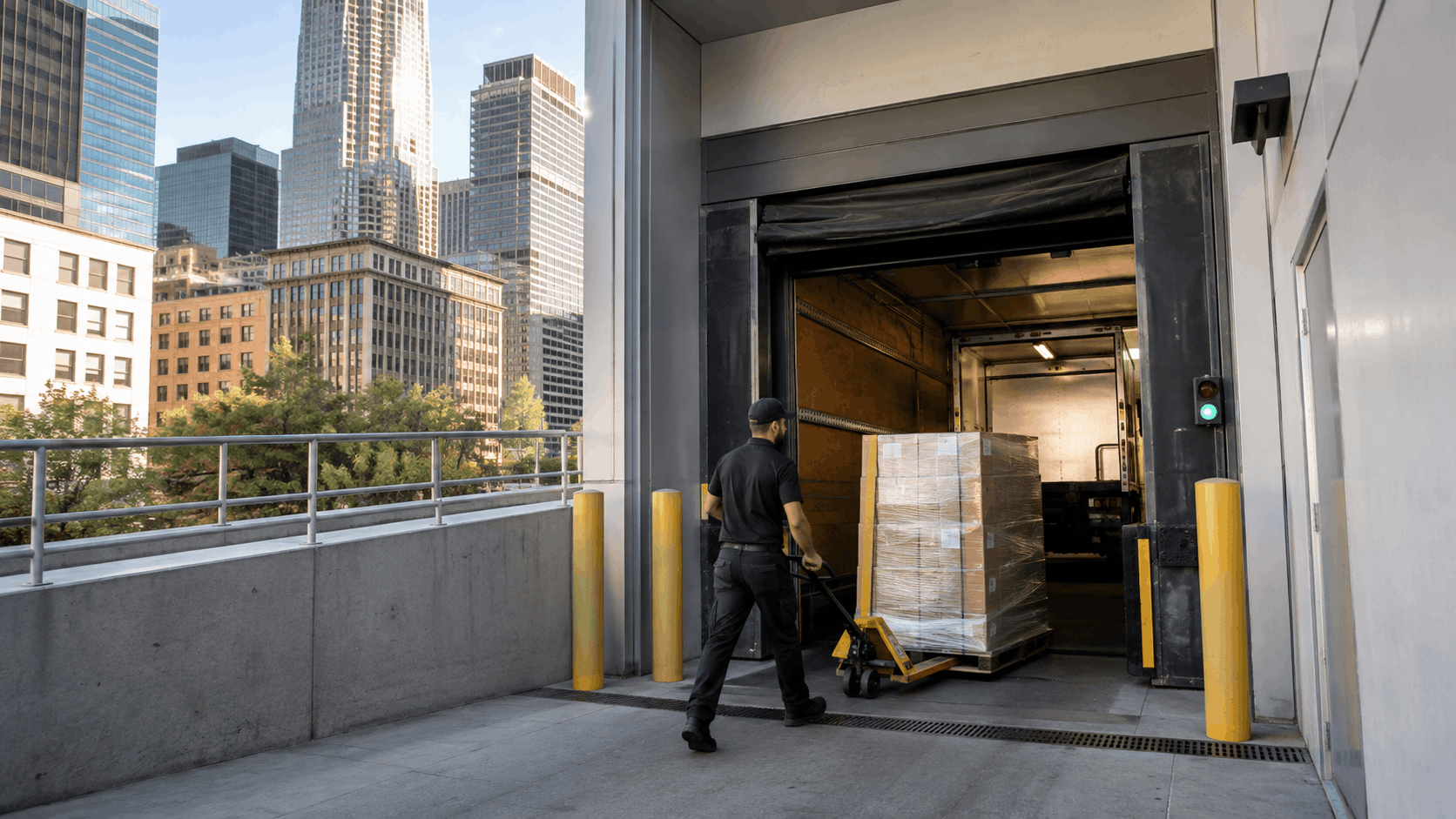
Booking a dock is a process, not a phone call the night before. It takes lead time, paperwork, and confirmation in writing. Here is the step-by-step approach we use to reserve loading dock time for every DTLA client.
Getting the dock booking right removes the biggest risk from a downtown move. The moving paperwork and coordination front-load the work so move day runs clean.
Contacting Building Management Early
Reach out to building management one to two weeks ahead for most towers. Busy luxury buildings and popular residential towers may need more notice. Calling early gives the best chance at the preferred window.
Ask specific questions: What are the move hours? Is a dock reservation required? What paperwork does the building need? Getting these answers up front prevents surprises.
Confirm the move window in writing, whether by email or a signed reservation form. A verbal okay is not enough at a security desk. Written confirmation protects the client and the mover.
We handle this outreach for our clients as part of the job. Our team knows the right contacts at many DTLA buildings. That relationship speeds the booking along.
Getting a Certificate of Insurance Right
A certificate of insurance is the document buildings check first. It proves the mover carries liability and workers coverage. Most COI requirements name the building and property manager as additional insured.
Each building has its own COI language and coverage minimums. Some want the document 48 hours ahead, others accept it same-day. Matching the exact requirements avoids a rejected certificate.
A licensed mover provides a proper COI promptly. We generate certificates that meet each building's specific requirements. That speed keeps the reservation on track.
You can verify a mover's license through the Bureau of Household Goods and Services, which regulates household movers in the state. A licensed, insured mover clears building requirements without delay. That protection matters for both the client and the building.
Coordinating Elevators and Time Slots
The freight elevator books separately from the dock in most buildings. Reserving it for exclusive use during a time slot keeps the crew from sharing with tenants. That exclusive window speeds the move.
Elevator padding protects both the furniture and the building's finishes. Some buildings install pads for the move; others expect the mover to bring them. We confirm which and come prepared.
Avoiding overlap with other movers is a real concern in large buildings. Two crews fighting for one elevator turns a two-hour move into four. A clear, booked slot prevents that jam.
We coordinate the elevator, dock, and time slot as one package. All three must line up for the move to flow. Booking them together removes the weak links.
How Popeye Moving & Storage Co. Handles the Logistics
Our team manages the full dock booking process for DTLA clients. From the first call to building management through the final elevator reservation, we handle the moving logistics. The client signs off, and we run the details.
Permits are part of the package for buildings without docks. We pull curb permits from the city and reserve the street space. That keeps the truck legal and close to the door.
When a move needs a pause or belongings need a temporary home, our storage solutions handle the overflow. Storage bridges the gap between move-out and move-in dates. That flexibility helps when building windows do not line up.
As experienced DTLA movers, we treat the paperwork as seriously as the heavy lifting. The dock logistics decide whether the day goes smoothly. Our clients hand us the whole puzzle and let us solve it.
Need Help in Los Angeles?
Popeye Moving & Storage serves Los Angeles and all of Los Angeles County.
Common Mistakes That Cost DTLA Movers Time and Money
Some moving mistakes show up over and over in downtown. They lead to dock fines, blocked access, and a rescheduled move that costs a full day. Avoiding these traps saves real money.
Our team has seen every one of these errors firsthand. Here are the mistakes to watch for and how to sidestep them.
Skipping the Dock Reservation
The usual error is showing up without a booked window. Security turns the truck away, and the crew stands idle. That move delay can push the job to another day entirely.
A turned-away truck still costs money. The crew is on the clock whether or not they can access the building. Those hours add up while the reservation gets sorted out.
Some buildings will not fit a walk-in move for days or weeks. A missed reservation is not a same-day fix. Booking ahead is the only reliable path.
We never send a truck without a confirmed dock reservation in writing. That single step prevents the most expensive mistake in downtown moving. It is the first thing we lock down.
Ignoring Truck Height and Weight Limits
Older buildings have low-clearance dock entrances that a tall truck cannot enter. A rig that scrapes the top or gets stuck is a serious problem. Checking truck height against the dock clearance prevents it.
Weight limits matter on dock ramps and older loading floors. An overloaded truck can damage the structure or get stranded. We confirm the weight limit before committing a rig.
When a building's clearance is too low, a smaller shuttle truck solves it. We ferry loads from a larger truck parked nearby. That keeps the move legal and the building undamaged.
Guidance from the Federal Motor Carrier Safety Administration covers truck standards that apply to moving vehicles. Matching the right truck to the building is basic safety. We size the vehicle to the dock every time.
Booking Moves During Peak DTLA Congestion
Timing a move during rush hour wastes the crew's time in traffic. The blocks around Figueroa and 7th Street crawl morning and evening. An off-peak start recovers those lost hours.
Event days near L.A. Live and the Convention Center create their own gridlock. A move scheduled during a game or convention may not reach the dock. Checking the calendar avoids that trap.
Street cleaning schedules block curb access on set days and times. A truck cannot stage on a street being cleaned. We check the street cleaning schedule when planning curb permits.
Peak congestion eats into the booked move window. If traffic delays arrival, the crew has less time to work before the window closes. We time downtown moves to dodge the worst of it.

Final Thoughts
Loading dock access is the make-or-break detail of any Downtown LA move. The right reservation, the right paperwork, and the right timing turn a stressful day into a smooth one. Every building has its own rules, and knowing them ahead of time is the whole game.
Our team drives these streets and works these docks every week, from the Financial District towers to the Arts District warehouses. We handle the reservations, the COIs, the elevator bookings, and the permits so our clients do not have to. For a smooth DTLA move, contact Popeye Moving & Storage Co. and let us plan the dock logistics from the start.
Frequently Asked Questions
- Do all DTLA high-rises have loading docks?
- No. Most modern towers in the Financial District, South Park, and along Grand Avenue have real loading docks with reservation systems. Older Historic Core and Old Bank District buildings often lack a proper dock. Those rely on alley loading zones, small service elevators, or curb permits instead. We check each building's setup before every job so the crew arrives with the right plan and equipment.
- How far ahead should a loading dock be reserved?
- One to two weeks is the typical lead time for most DTLA buildings. That window gives management time to confirm the reservation and process the insurance paperwork. Busy luxury towers and popular residential buildings may need more notice, especially near event-heavy areas like L.A. Live. Booking early also secures a preferred move window before the good slots fill up.
- What is a certificate of insurance and why do buildings require it?
- A certificate of insurance, or COI, is a document proving the mover carries liability and workers coverage. DTLA property managers require it to protect the building if something is damaged during a move. Most buildings want to be named as additional insured on the certificate. A licensed mover generates a COI that matches each building's exact requirements, usually within a day of the request.
- Can moving trucks park on the street in Downtown LA?
- Sometimes, but street parking downtown is limited, metered, and heavily enforced. For buildings without docks, we pull a temporary no-parking permit to legally reserve curb space. Without a permit, a truck risks tickets and can block traffic on tight streets. Official docks are almost always the better option because they keep the move legal, close to the elevator, and out of downtown traffic.
- What happens if a dock is not available on moving day?
- We adjust on the fly. Options include a shuttle move using carts from a nearby staging spot, an alternate building entrance, or a rebooked window if the building allows. Our team confirms dock availability in writing ahead of time to avoid this, but downtown surprises happen. Experience with these buildings lets us pivot and keep the move on track.
- Are there time limits for using a building loading dock?
- Yes. Most DTLA buildings assign move windows of two to four hours. The rules protect other tenants who also need dock and elevator access. Running past the window risks a fine and a strained relationship with management. We build our schedules around the building's window and bring the right crew size to finish inside it every time.
- Do event days near L.A. Live affect nearby moves?
- Absolutely. Games and concerts at Crypto.com Arena and large Convention Center events cause street closures and heavy traffic in South Park. A booked dock does no good if the surrounding streets are blocked. We check the event calendar against every South Park reservation and time moves to avoid game day traffic and convention crowds whenever possible.
- Does Popeye Moving & Storage Co. handle the dock paperwork?
- Yes. Our team coordinates the entire process, including COIs, dock reservations, and elevator bookings. We contact building management, confirm the move window in writing, and pull curb permits when a building has no dock. The client signs off and we handle the details. That way there are no surprises at the security desk on move day.
- What size truck fits in most DTLA docks?
- Most modern docks handle standard moving trucks with clearance in the 11 to 14 foot range, but it varies by building. Older Historic Core buildings and some Bunker Hill ramps have lower clearance. When a dock is too tight, we bring a smaller shuttle truck and ferry loads from a larger truck parked nearby. We always confirm clearance before committing a vehicle.
- Can moves happen after business hours in Downtown LA buildings?
- Many towers do allow evening and weekend moves with advance approval. Financial District buildings often prefer after-hours moves to keep daytime traffic and lobbies clear. Bunker Hill plazas frequently schedule evening windows too. The building must approve the window ahead of time and the paperwork still applies. We arrange after-hours moves regularly for downtown clients who need them.
Popeye Moving & Storage Co. Team Team
Licensed moving and storage professionals serving Los Angeles and Los Angeles County.
Licensed in California · License #CAL T 189749 | USDOT 1472924 | MC 498816C
Why trust Popeye Moving & Storage?
Founded in 1994, Popeye Moving & Storage is a licensed and insured moving and storage service serving Los Angeles and Los Angeles County. All content is reviewed by our licensed technicians.

Need Help in Los Angeles?
Popeye Moving & Storage serves Los Angeles and all of Los Angeles County.
Related Articles
Downtown LA Arts District Movers: Loft Conversion and Loading Dock Access
A local mover's guide to Arts District loft moves in Downtown LA, covering loading dock access, freight elevators, LADOT permits, parking, protection, and storage.
LA Building COI Requirements: 25 Major Property Managers and Their Rules
A local guide to LA building COI requirements, covering coverage limits, 25 major property managers, extra move rules, and how to avoid delays on moving day.
Moving in Downtown LA High-Rises: COI, Elevator Reservations, Loading Docks
A local mover's guide to Downtown LA high-rise moves, covering certificates of insurance, service elevator reservations, and loading dock access in DTLA towers.